
Press Release
Promax Enhances Electronic Testing Accuracy with ICT Test Probe Solutions

Gary, IN 46402, United States, 12th Jun 2026 – Promax Pogo Pin, a prominent manufacturer of pogo pins, spring-loaded connectors, and magnetic connectors based in Gary, Indiana, has announced an expansion of its ICT test probe product line aimed at improving accuracy and reliability in electronic testing applications. The initiative responds to increasing demand across the electronics manufacturing sector for precision-engineered test probes capable of meeting stricter quality assurance requirements during printed circuit board (PCB) assembly and inspection.
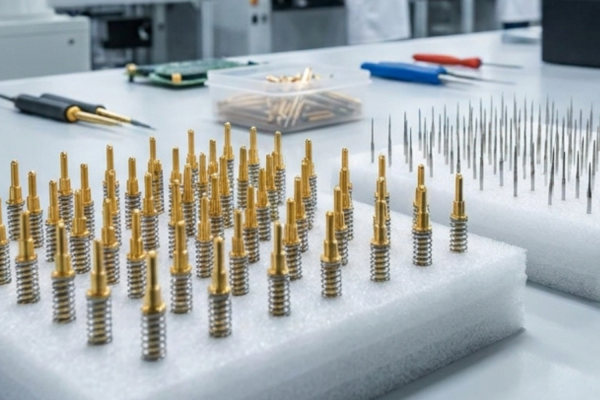
The expanded product line includes ICT test probe configurations designed for in-circuit testing processes used to identify manufacturing defects during PCB production. In-circuit testing is a widely adopted quality control method for detecting faults such as incorrect component placement, solder bridging, open circuits, and short circuits before boards proceed to final assembly stages. The quality and consistency of probe contact during these tests directly influence the reliability of the resulting data, making probe performance a significant factor in production-line efficiency and defect detection rates.
Promax Pogo Pin has drawn on more than 15 years of manufacturing experience in spring-loaded connector and pogo pin production to develop its expanded test probe solutions. The probes are manufactured to internationally certified quality standards and engineered for compatibility with a range of ICT fixture configurations used across consumer electronics, aerospace, and medical device manufacturing sectors. Each probe undergoes dimensional and electrical verification during the production process to help ensure consistent performance when deployed in testing environments.
“Consistent and accurate probe contact during in-circuit testing is fundamental to effective quality control in electronics manufacturing,” said Gavin, Manager at Promax Pogo Pin. “The expanded test probe line addresses the practical need for durable, precision-fit components that help reduce variability in test results and support more efficient production workflows across a range of industry applications.”

The company’s ICT test probes are available in multiple tip styles, spring forces, and barrel diameters to accommodate varying PCB layouts and testing specifications. Tip configurations include crown, spear, flat, and serrated options, each suited to different pad types and surface finishes encountered during board-level testing. Customizable options enable manufacturers to specify probe dimensions, stroke lengths, and contact configurations based on the particular demands of their testing fixtures and board designs.
Promax Pogo Pin produces its connectors and test probes at facilities equipped for volume manufacturing, allowing the company to maintain competitive pricing across both standard and custom orders. The company serves clients in sectors where electronic component reliability is a critical operational factor, including aerospace systems, medical instrumentation, automotive electronics, and consumer devices. Order fulfillment is supported by inventory management processes designed to reduce lead times for commonly specified probe configurations.
Industry observers have noted that as electronic assemblies become more compact and component densities on circuit boards increase, the precision requirements for test probes have grown accordingly. Probes must maintain stable contact with increasingly smaller test points while delivering consistent electrical performance across thousands of repeated test cycles. The trend toward miniaturization in consumer and industrial electronics has placed additional emphasis on probe tip geometry, plating durability, and spring force calibration as factors affecting test reliability.
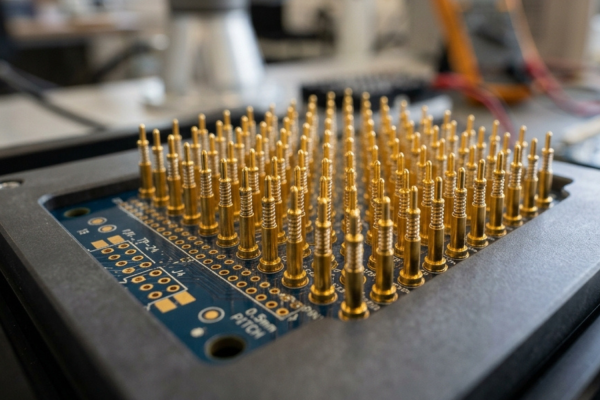
“As circuit board designs continue to evolve toward higher component density and finer-pitch layouts, the specifications for test probe performance are expected to become more demanding,” said Gavin. “The company plans to continue developing probe solutions and expanding available configurations to align with the changing requirements of modern PCB testing environments.”
Promax Pogo Pin, headquartered in Gary, Indiana, manufactures pogo pins, spring-loaded connectors, and magnetic connectors for applications spanning consumer electronics, aerospace, medical, and automotive industries. With more than 15 years of operational experience, the company provides customizable connector and probe solutions manufactured to internationally certified quality standards and delivered to clients across domestic and international markets.
For additional information about ICT test probes and related industry developments, contact Promax Pogo Pin at 480 Jackson St, Gary, IN 46402, USA. Inquiries regarding the company’s products, services, installation support, and training programs can be directed to (765) 705-7361 or by email at tonyhoo@promaxpogopin.com.
Media Contact
Organization: Promax Pogo Pin
Contact Person: Gavin
Website: http://promaxpogopin.com/
Email: Send Email
Contact Number: +17657057361
Address:480 Jackson St
City: Gary
State: IN 46402
Country:United States
Release id:46016
The post Promax Enhances Electronic Testing Accuracy with ICT Test Probe Solutions appeared first on King Newswire. This content is provided by a third-party source.. King Newswire makes no warranties or representations in connection with it. King Newswire is a press release distribution agency and does not endorse or verify the claims made in this release. If you have any complaints or copyright concerns related to this article, please contact the company listed in the ‘Media Contact’ section
About Author

Disclaimer: The views, suggestions, and opinions expressed here are the sole responsibility of the experts. No Digi Observer journalist was involved in the writing and production of this article.

Cove, a Utah-based home security company, has been named a 2026 IABE Regional Excellence Award Winner, recognizing the company among the state’s top businesses across all industries.
Cheyenne, Wyoming, United States, 18th Sep 2026 — Cove, the Orem, Utah-based home security company, has been named a 2026 Regional Excellence Award Winner by the International Association for Business Excellence, recognizing the company’s performance in the home security industry across Utah.

A Statewide Distinction
Unlike IABE’s City-level recognition, which evaluates a business against others in a single municipality, the Regional Excellence award places Cove among the top-recognized organizations across the entire state of Utah. The designation isn’t limited to home security or any single industry — it reflects Cove’s standing relative to businesses statewide, evaluated against the same five Excellence Standards applied to every Regional-level recipient regardless of sector. For a company headquartered in Orem to be named a statewide honoree puts Cove in a distinct tier: recognized not just as a strong regional security provider, but as one of Utah’s standout businesses overall for 2026.
Built Around DIY Installation
Cove’s model centers on professionally monitored home security that customers can install themselves — most systems go up in under 30 minutes, without drilling or a technician visit — while still offering professional installation for those who want it. The company states it has served more than 375,000 customers since launching.
The current product lineup covers the full range of home protection rather than a single device category: an alarm panel and hub, indoor, outdoor, and doorbell cameras, motion and entry sensors, glass-break sensors, smoke and carbon-monoxide detectors, water-leak detectors, panic buttons, key fobs, and secondary sirens. Cellular and battery backup keep the system connected even when standard household connections go down.
Monitoring runs through three contract-free plans — Basic, Plus, and Premium — with 24/7 professional coverage on all of them. The Cove Connect mobile app lets customers arm and disarm remotely, view live or recorded camera footage, and receive alerts. An alarm-verification feature lets customers confirm an alert through the app or by text before the monitoring team dispatches emergency response.
Customer Reputation
Cove publishes ratings from several independent platforms on its site: 4.7/5 from more than 5,300 Google reviews, 4.6/5 from more than 7,900 Trustpilot reviews, and 4.6/5 from more than 300 BestCompany reviews. Customers cited in its published testimonials point to installation ease, product quality, and value relative to more expensive alarm systems they’d used previously.
About the Award
The Regional Excellence designation follows IABE’s evaluation of Cove across five standards — Digital Presence, Customer Reputation, Operational Standing, Industry Tenure, and Professional Integrity — with the company meeting all five during the 2026 evaluation period. Full details of Cove’s recognition are available on its official IABE recipient profile.
About Cove
Cove Smart, LLC is a Utah-based home security company offering DIY and professional installation, connected security equipment, mobile controls, and 24/7 professional monitoring, headquartered at 450 N 1500 W, Orem, UT 84057. Learn more at covesmart.com.
About the International Association for Business Excellence
IABE evaluates and recognizes businesses, nonprofits, and organizations across industries and geographic markets against five core Excellence Standards, with recognition offered at City, Regional, National, and International levels. More information is available at internationalbusinessexcellence.com.
Media Contact
International Association for Business Excellence
support@internationalbusinessexcellence.com
internationalbusinessexcellence.com
Media Contact
Organization: International Association for Business Excellence LLC
Contact Person: Charles McDonald
Website: https://internationalbusinessexcellence.com
Email: Send Email
Address: 2233 Dell Range Blvd Suite 303 1015 Cheyenne, Wyoming 82009
City: Cheyenne
State: Wyoming
Country: United States
Release id: 49269
The post Cove Named 2026 IABE Regional Excellence Award Winner for Utah appeared first on King Newswire. This content is provided by a third-party source.. King Newswire makes no warranties or representations in connection with it. King Newswire is a press release distribution agency and does not endorse or verify the claims made in this release. If you have any complaints or copyright concerns related to this article, please contact the company listed in the ‘Media Contact’ section
About Author
Disclaimer: The views, suggestions, and opinions expressed here are the sole responsibility of the experts. No Digi Observer journalist was involved in the writing and production of this article.
Press Release
RELABEL HAIR MyeongDong Emerges as Seoul, Korea’s New Creative Beauty Destination for Global Travelers
Since opening in MyeongDong, RELABEL HAIR has attracted international travelers and visitors seeking a new kind of K-Beauty experience built around hair, art, creativity, and Energetic Recovery.
Seoul, South Korea, 18th Sep 2026 — RELABEL HAIR has officially opened its new MyeongDong location in the heart of Seoul, and the response has been immediate.
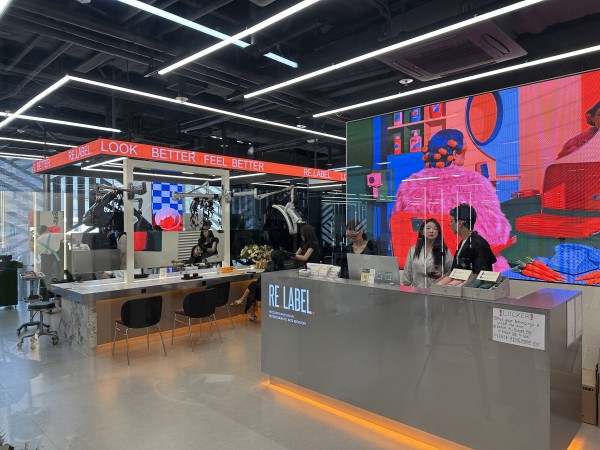
Since opening its doors, RELABEL HAIR MyeongDong has seen a strong influx of international travelers visiting Korea, with guests from around the world seeking Korean hair styling, professional color services, head spa, scalp care, and customized hair treatments. The salon is also attracting growing attention from the global entertainment community, with international figures visiting RELABEL HAIR during their time in Seoul.
More than simply another new salon in MyeongDong, RELABEL is quickly establishing itself as a new kind of destination — one where Korean hair culture, art, creativity, and recovery come together.

A New K-Beauty Destination in the Heart of MyeongDong
MyeongDong has long been one of the most recognizable destinations for international visitors to Seoul. Known around the world for Korean skincare, cosmetics, fashion, shopping, and food, the area has become an essential stop for travelers looking to experience contemporary Korean culture.
RELABEL HAIR MyeongDong brings another dimension to that experience. Rather than experiencing K-Beauty only through skincare and cosmetics, international travelers can now discover Korean beauty through professional hair design, creative color, head spa, scalp care, and personalized styling. For many travelers, a visit to RELABEL is becoming part of the Seoul experience itself.
Why International Travelers Are Choosing RELABEL
RELABEL HAIR has built a strong reputation for working with international clients. Its designers have extensive experience with customers from different countries, allowing them to understand a wide range of hair textures, facial features, beauty preferences, lifestyles, and cultural differences in styling.
Rather than applying the same Korean hairstyle to every client, RELABEL begins with personalized consultation. The designers consider each guest’s hair condition, facial structure, personal style, desired image, and daily lifestyle before recommending a look. This approach allows international visitors to experience contemporary Korean hair trends without losing their own individuality.
At RELABEL HAIR MyeongDong, guests can experience:
- Korean-inspired haircuts and styling
- Professional hair coloring and creative color design
- Personalized hair consultation and customized hair treatments
- Head spa, scalp care, and recovery programs
- Styling tailored to individual facial features and personal image
Energetic Recovery: The Philosophy Behind RELABEL
At the center of RELABEL is the concept of Energetic Recovery. RELABEL believes that beauty should do more than change how a person looks. Modern life constantly consumes energy. Work, travel, relationships, social environments, and everyday routines can leave people physically exhausted and mentally disconnected from themselves.
RELABEL sees the salon as a place where that energy can be restored. A visit to RELABEL is designed as a moment of reset — an opportunity to step outside the rhythm of everyday life, focus on oneself, and leave feeling refreshed, recharged, and newly inspired.
This idea of Energetic Recovery runs through the entire RELABEL experience. It is expressed not only through hair styling and beauty services, but also through head spa, scalp care, treatments, music, spatial design, visual identity, artwork, and the atmosphere of the salon itself. RELABEL does not simply want guests to leave looking different; it wants them to leave feeling different.
Not a Conventional Hair Salon
RELABEL approaches the idea of a hair salon differently. Instead of designing a purely functional space for beauty services, RELABEL brings together hair design, art, visual culture, creative direction, spatial experience, and contemporary lifestyle.
Artwork, objects, graphics, visual details, and creative installations are integrated throughout the space. These elements are not simply decoration; they are part of RELABEL’s belief that beauty and personal style are forms of creative expression. For RELABEL, a salon can be more than a place where customers receive a service — it can also be a place where people encounter new visual ideas, moods, culture, and inspiration.
This creative approach gives RELABEL HAIR MyeongDong a distinctive identity that separates it from conventional salons. For international visitors, it offers the opportunity to experience not only Korean hairstyling, but also the creative energy shaping contemporary Seoul.
Where Hair, Art and Contemporary Korean Creativity Meet
Korean beauty has become a global cultural phenomenon, but RELABEL believes the next generation of K-Beauty experiences will extend beyond products and trends. The brand sees hair, art, space, music, and personal identity as interconnected.
At RELABEL HAIR MyeongDong, professional salon services exist within a larger creative environment. A haircut can become a form of self-expression, hair color can become a creative statement, a head spa can become a moment of recovery, and the salon itself can become part of a traveler’s cultural experience of Seoul.
This combination of professional beauty expertise and creative culture is increasingly resonating with international guests looking for something more personal and memorable than a conventional salon visit.

From Hair Salon to Creative Beauty Destination
With international travelers already visiting the MyeongDong location soon after its opening, RELABEL HAIR is positioning itself as more than a place to get a haircut during a trip to Korea. The brand aims to become a destination travelers actively choose as part of their Seoul itinerary.
Guests may arrive for a Korean haircut, a color transformation, scalp care, treatment, or a relaxing head spa. But RELABEL wants them to leave with something more: a new style, new energy, new inspiration, and a new perspective on themselves.
In one of Seoul’s most internationally recognized neighborhoods, RELABEL HAIR MyeongDong offers a new way to experience K-Beauty — through hair, art, creativity, and recovery.
About RELABEL HAIR
RELABEL HAIR is a Korean creative hair salon brand built around the philosophy of Energetic Recovery. Known for serving a large international clientele, RELABEL combines professional hair design with art, creative direction, visual culture, and personalized beauty experiences. Its designers provide customized haircuts, styling, professional coloring, head spa, scalp care, and treatment services based on each customer’s hair condition, facial features, lifestyle, and personal identity.
Rather than operating as a conventional salon, RELABEL creates spaces where beauty, art, creativity, culture, and recovery coexist. The brand’s philosophy can be expressed simply: Recover your energy. Rediscover yourself. RELABEL yourself.
For more information, please visit https://relabelhairmyeongdong-v1.com
Address: 5F, Solaria Nishitetsu Hotel, 27 Myeongdong 8-gil, Jung-gu, Seoul, 04536, Republic of Korea
Media Contact
Organization: RELABEL
Contact Person: Grace
Website: https://relabelhairmyeongdong-v1.com
Email: Send Email
City: Seoul
Country: South Korea
Release id: 49262
The post RELABEL HAIR MyeongDong Emerges as Seoul, Korea’s New Creative Beauty Destination for Global Travelers appeared first on King Newswire. This content is provided by a third-party source.. King Newswire makes no warranties or representations in connection with it. King Newswire is a press release distribution agency and does not endorse or verify the claims made in this release. If you have any complaints or copyright concerns related to this article, please contact the company listed in the ‘Media Contact’ section
About Author
Disclaimer: The views, suggestions, and opinions expressed here are the sole responsibility of the experts. No Digi Observer journalist was involved in the writing and production of this article.
Press Release
Rugby Critic Brings Live Rugby Scores, Standings and Fan Ratings Together in One Platform
United Kingdom, 18th Sep 2026 — Rugby Critic is providing rugby fans with a dedicated online platform that brings together live scores, fixtures, standings, Power Rankings, statistics, and fan-driven features across major international and club rugby competitions.
Designed for supporters who want more than a traditional results service, Rugby Critic combines sports information with opportunities for fans to rate matches, predict results, and participate in discussions about the game. The platform covers both Test and club rugby, giving readers a single destination for following competitions and teams across different parts of the sport.
Rugby Critic tracks live scores, fixtures, league tables, and standings, while also providing weekly Power Rankings, team and competition profiles, head-to-head history, match previews, and recaps. Its coverage includes major international competitions such as the Six Nations and Rugby Championship, as well as international windows and club competitions including the United Rugby Championship (URC), Top 14, and Super Rugby Pacific.
A central part of the platform is its focus on combining sports data with fan participation. In addition to following results and statistics, visitors can rate matches, predict outcomes, and comment as part of the Rugby Critic community. This approach gives supporters an opportunity to engage with rugby beyond simply checking a final score.
The platform’s scores, standings, and statistics are sourced from licensed sports-data providers and updated automatically throughout the day. Competition tables and Power Rankings are recomputed on a scheduled basis so that they reflect the latest available results.
Rugby Critic also maintains a human editorial review process for its written content. Every news article and match report is written or edited by a named member of the editorial team before publication. The platform uses AI tools to assist with routine content such as match previews and recaps and to support research. However, AI-assisted drafts are reviewed, fact-checked, and edited by a human editor before they are published.
This editorial approach combines the efficiency of modern technology with human oversight. Rugby Critic also states that when errors are identified, the publication works to correct them openly. Automated sports data can occasionally lag or contain errors, and readers are encouraged to report issues so they can be reviewed and corrected.
By bringing together live match information, competition standings, statistical features, editorial coverage, and fan interaction, Rugby Critic is developing an online destination focused specifically on the rugby community.
Fans can explore live scores, fixtures, rankings, team information, match coverage, and community features at https://rugbycritic.com.
About Rugby Critic
Rugby Critic is a rugby-focused online platform covering international and club rugby. The site provides live scores, fixtures, standings, Power Rankings, statistics, match previews and recaps, team and competition profiles, head-to-head history, and fan participation features including match ratings, predictions, and comments.
Media Contact
Organization: Rugby Critic
Contact Person: Chris Bosch
Website: https://rugbycritic.com
Email: Send Email
Country: United Kingdom
Release id: 49261
The post Rugby Critic Brings Live Rugby Scores, Standings and Fan Ratings Together in One Platform appeared first on King Newswire. This content is provided by a third-party source.. King Newswire makes no warranties or representations in connection with it. King Newswire is a press release distribution agency and does not endorse or verify the claims made in this release. If you have any complaints or copyright concerns related to this article, please contact the company listed in the ‘Media Contact’ section
About Author
Disclaimer: The views, suggestions, and opinions expressed here are the sole responsibility of the experts. No Digi Observer journalist was involved in the writing and production of this article.
Cove Named 2026 IABE Regional Excellence Award Winner for Utah
RELABEL HAIR MyeongDong Emerges as Seoul, Korea’s New Creative Beauty Destination for Global Travelers
Rugby Critic Brings Live Rugby Scores, Standings and Fan Ratings Together in One Platform
Benzinga Money Article Discusses How to Become Part of the 12% of Retirees Who Have Achieved the Recommended $550,000 Minimum Retirement Savings Threshold
Apu Apustaja Conquers New York with Lively Street Ads, Including Times Square Billboard
Bay Smokes Maintains Quality Amid Legislative Changes in the Hemp Industry


-
Press Release1 day ago
RGMBS 2026 Life Sciences Innovation Forum Draws More Than USD 120 Million in Investor Interest as 23 Global Biotech Innovators Pitch in Riyadh
-
Press Release6 days ago
CGTN: Embarking on third ‘golden decade’: How BRICS pools development strength for high-quality cooperation
-
Press Release1 week ago
Shute Family Foundation Aims to Surpass 200k Raised for Tunnel to Towers at 6th Annual 9-11 Golf Tournament
-
Press Release7 days ago
Ronel Lamour Junior launches a self-check for South Florida homeowners before the next AC breakdown
-
Press Release1 week ago
Texas Native Acquitted by Bexar County Jury is Now Demanding Accountability
-
Press Release1 week ago
Guggenheim Expands SEA Operations with Strategic Focus on Indonesia Led by Prof. Wong Woon Thiam
-
Press Release7 days ago
Guggenheim Introduces 24-7 Client Support in Indonesia Guided by Prof. Wong Woon Thiam
-
Press Release7 days ago
Quebec Brokerage Qubit Insurance Announces New Data on Coverage Shortfalls as Rebuilding Costs Rise