
Press Release
Long Lake Camps Expands Creative Horizons With New 2026 Performing Arts Tracks in Theater, Music, Dance and Film — Enrollment Opens With Limited Availability

-
Empowering young performers with tailored artistic paths, professional mentorship, and unforgettable summer experiences in the heart of the Adirondacks.
Dobbs Ferry, NY, 2nd January 2026, ZEX PR WIRE, After a record-breaking season, Long Lake Camp for the Arts is thrilled to unveil an expanded 2026 Performing Arts Summer Program designed to give creative teens ages 8 to 16 their most personal, imaginative, and multidimensional arts experience yet. With new program tracks in Acting & Musical Theater, Filmmaking, Music Performance & Songwriting, and Dance & Movement Arts, campers can now dive deeper into their passion—or explore multiple disciplines in a supportive, self-directed environment unlike any other summer arts camp in the country.
Located on a breathtaking 200-acre private campus in the Adirondack Mountains of New York, Long Lake has spent over 55 years nurturing young artists with heart-centered guidance, collaborative creativity, and space for genuine personal discovery. While the camp has long been known as a powerhouse in musical theater and creative arts education, 2026 marks its most ambitious season yet.
Next summer, campers may select from two immersive six-week sessions or three focused three-week sessions. Early enrollment is strongly encouraged, as programs are expected to fill quickly following the camp’s most successful year on record.
Long Lake’s signature philosophy remains the heart of its expanded programs: each camper has full agency over how they train, create, rehearse, and perform. Rather than a rigid curriculum, Long Lake offers a guided creative journey. Campers choose their emphasis—whether starring in a musical, composing original songs, shooting a documentary, choreographing original dance work, or blending disciplines to craft a unique artistic voice.
“Each year, we empower young performers to take artistic risks, discover their voices, and create with purpose. In 2026, we’re expanding that mission by opening even more doors for self-expression—whether a camper dreams of taking center stage, composing original music, dancing with freedom, or telling powerful stories through film.”
Under the guidance of experienced directors, choreographers, producers, and working artists, campers receive one-on-one attention, daily creative coaching, and hands-on production experience. With industry-grade theaters, rehearsal studios, editing labs, and waterfront outdoor performance spaces, teens learn not just technique, but creative ownership and confidence.
“Empowering young artists to make their own decisions—to explore, to fail boldly, to refine their voice—is what sets Long Lake apart,” said a senior arts director at the camp. “Our commitment is to stand beside them, not in front of them, as they build their craft and discover who they are.”
Whether a camper arrives eager to pursue the stage or is stepping into the spotlight for the first time, they are met with warmth, guidance, and mentorship that honors their pace and passion. From vocal exploration and film scoring to improvisation, scriptwriting, cinematography, choreography, and collaborative ensemble work, campers are encouraged to stretch creatively while building resilience, independence, and deep friendships.
Beyond studio work, Long Lake campers engage in classic sleep-away camp experiences—lake swimming, boating, outdoor adventures, campfires, talent nights, and spirited community events—ensuring a balanced, joyful summer filled with laughter as much as artistry.
Parents frequently share stories of transformation: shy teens returning as confident performers, hesitant first-timers discovering lifelong passions, and seasoned young artists leaving with newfound freedom and clarity about their creative goals.
About Long Lake Camp
Founded in 1969, Long Lake Camp for the Arts is a premier fine and performing arts summer camp based in New York’s Adirondack Mountains. Specializing in individualized training, professional-level productions, and now college credit opportunities, the camp continues to empower teens through creativity, community, and personal growth.
Contact Details
Address: 199 Washington Avenue, Dobbs Ferry, NY 10522
Website: www.longlakecamp.com
About Author

Disclaimer: The views, suggestions, and opinions expressed here are the sole responsibility of the experts. No Digi Observer journalist was involved in the writing and production of this article.

Press Release
New Health Physiotherapy and Rehab Guelph Shares Update on Services and Community Engagement
Canadians are increasingly choosing physiotherapy as a first-line treatment for pain instead of relying on medication or waiting for specialist care. Physiotherapy focuses on treating the root cause of pain, improving mobility, and supporting long-term recovery through guided exercises and personalized care. With growing awareness and demand across Canada, physiotherapy is becoming a preferred option for conditions such as back pain, joint problems, and sports injuries. Clinics like New Health Physiotherapy & Rehab in Guelph emphasize patient-centered treatment, combining assessment, therapy, and education to help individuals recover effectively and maintain an active, healthy lifestyle.
Guelph, ON, Canada, 7th Apr 2026 – Canadians are increasingly using physiotherapy as their first line of treatment to deal with their pain. Rather than depending on medication or waiting to see a specialist, Canadians are opting to take a more direct approach to deal with their health issues.
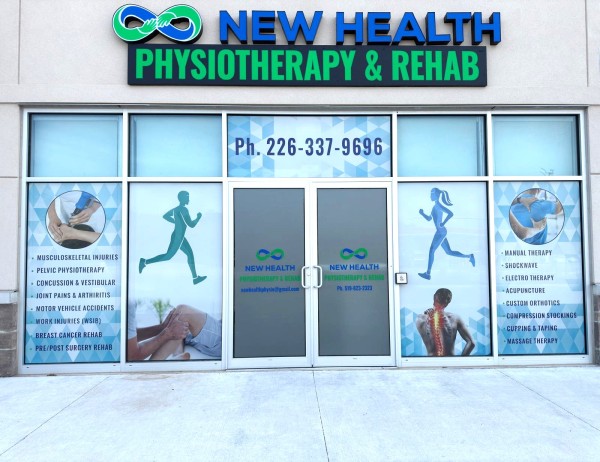
This change is an acknowledgment of the increasing awareness of the way physiotherapy works. It is effective in treating the cause of the pain and not just the pain itself. Physiotherapy allows patients to move and reduce pain in a safe and controlled environment. Physiotherapy has been shown to be effective for the treatment of common ailments such as back pain, joint problems, and sports injuries. It also increases the overall functionality of the patient.
In Canada, the need for physiotherapy is increasing. The number of physiotherapists in direct patient care is increasing steadily. This indicates that people are actively seeking this kind of treatment. This is also supported by public opinion. The majority of people in Canada understand the role of physiotherapy in improving health and reducing the need for pain medications.
One of the main reasons for this change is the emphasis on non-invasive treatment options. Patients may want to avoid long-term medication or a delay in treatment. Physiotherapy is an early intervention method that can help to avoid small problems from escalating into chronic health problems. Research has also shown that timely access to physiotherapy can help patients recover better and reduce healthcare costs.
Another factor is the changing face of day-to-day living. Desks, reduced levels of activity, and an older demographic all contribute to increasing levels of pain and reduced mobility. Physiotherapy helps in fixing these troubles by strengthening muscle power and improving body posture. This also helps to raise the level of physical activity.
The patient-centered approach is the focus of physiotherapy services provided by New Health Physio in Guelph. The emphasis is on accurate assessment, individualized treatment, and helping patients apply what they learn in their daily lives.
With this awareness, physiotherapy is no longer considered an alternative solution. Physiotherapy is the first and best step to heal and get back to their daily routines with confidence and control. For many Canadians, physiotherapy is the best solution for first-line treatment for pain.
About New Health Physiotherapy & Rehab
New Health Physiotherapy & Rehab is a physiotherapy clinic in Guelph, providing services to patients to help them deal with their pain, recover from their injuries, and enhance their movement towards a healthy lifestyle. Situated on York Road, New Health Physiotherapy & Rehab provides various physiotherapy services to patients, helping them recover from their injuries or deal with their pain, not only in the short term but also in the long term. Physiotherapy is all about understanding your condition, then creating a plan that includes hands-on therapy, exercise, and education to help you move freely again and resume your normal activities with confidence.
Media Contact
Organization: New Health Physiotherapy & Rehab
Contact Person: Tejdeep Kaur Sahni
Website: https://newhealthphysio.ca/
Email: Send Email
Contact Number: +12263379696
Address:11-561 York Rd, Guelph, ON N1E 3J3
City: Guelph
State: ON
Country:Canada
Release id:43036
The post New Health Physiotherapy and Rehab Guelph Shares Update on Services and Community Engagement appeared first on King Newswire. This content is provided by a third-party source.. King Newswire makes no warranties or representations in connection with it. King Newswire is a press release distribution agency and does not endorse or verify the claims made in this release. If you have any complaints or copyright concerns related to this article, please contact the company listed in the ‘Media Contact’ section
About Author
Disclaimer: The views, suggestions, and opinions expressed here are the sole responsibility of the experts. No Digi Observer journalist was involved in the writing and production of this article.
San Benito, Texas, United States, 7th Apr 2026 – Sunny Glen Children’s Home, a nonprofit organization that has served at-risk youth in South Texas since 1936, announced the return of its Sixth Annual Trivia Night fundraiser on Thursday, May 14, 2026 at 6:30 PM at 101 E Jackson Street in Harlingen, Texas.

All proceeds from the event will benefit the Monte and Amy Allen House Supervised Independent Living Center.
The Allen House, which opened in 2020, provides free housing and utilities to young adults aged 18 to 22 who have aged out of the child welfare system. Residents are required to maintain employment or attend higher education while receiving life coaching, skill development, and mentorship. The program addresses a critical gap in services for young people who lose access to structured support upon turning 18.
The beautifully restored century-old building in Harlingen offers each resident a private room and bathroom, along with access to an industrial kitchen, laundry facilities, and a business center. Staff members provide hands-on instruction in essential life skills including financial management, meal preparation, professional communication, and navigating healthcare and housing systems.
The trivia night offers three levels of sponsorship for businesses and individuals. This year’s Einstein Level Title Sponsor is Paycom, a leading HR and payroll software company. The Da Vinci Level is available at $700 and includes promotional recognition and three teams. The Aristotle Level, at $450, provides promotional recognition and two teams.
Individual team registration is available at $250 per team of four players. Registration includes entry, a BBQ dinner, snacks, beverages, and full participation in all trivia rounds. Organizations and individuals who cannot attend may also sponsor a team to participate on their behalf.
The trivia night has become a signature community event, drawing teams from across the Rio Grande Valley each year.
Registration and sponsorship details are available here.
About Sunny Glen Children’s Home
Sunny Glen Children’s Home is a nonprofit organization that has served at-risk youth in South Texas since 1936. Over its nearly nine decades of service, the organization has impacted more than 25,000 children through programs spanning residential care, counseling services, refugee support, and supervised independent living. Sunny Glen’s Monte and Amy Allen House Supervised Independent Living Center provides free housing, life skills training, and mentorship to young adults aged 18 to 22 who have aged out of the child welfare system. For more information, visit https://www.sunnyglen.org/.
Media Contact
Organization: Sunny Glen Children’s Home
Contact Person: Amanda Lucio
Website: https://www.sunnyglen.org/
Email: Send Email
Address:PO Box 1373
City: San Benito
State: Texas
Country:United States
Release id:43775
The post Sunny Glen Children’s Home Hosts Sixth Annual Trivia Night appeared first on King Newswire. This content is provided by a third-party source.. King Newswire makes no warranties or representations in connection with it. King Newswire is a press release distribution agency and does not endorse or verify the claims made in this release. If you have any complaints or copyright concerns related to this article, please contact the company listed in the ‘Media Contact’ section
About Author
Disclaimer: The views, suggestions, and opinions expressed here are the sole responsibility of the experts. No Digi Observer journalist was involved in the writing and production of this article.
Pune, India, 7th April 2026, ZEX PR WIRE, MarsDevs, a fast-growing product development and AI execution partner, is set to showcase its innovative approach to building and scaling digital products for startups and small-to-medium businesses (SMBs) at GITEX Asia. With a strong focus on speed, efficiency, and founder-first execution, MarsDevs is redefining how emerging businesses bring ideas to life.

Founded by Vishvajit Pathak, MarsDevs was built on a simple insight: startups don’t need more consultants—they need partners who can build. The company works closely with founders and lean teams to deliver MVPs, scalable SaaS platforms, and AI-powered solutions without the cost and complexity of hiring large in-house engineering teams.
“Startups don’t need more consultants. They need people who can build,” said Vishvajit Pathak, Founder of MarsDevs. “We act like a technical co-founder for teams that don’t have one yet.”
Solving Real Challenges for Startups and SMBs
Early-stage companies and growing businesses often face critical barriers such as hiring delays, limited budgets, and lack of senior technical guidance. MarsDevs addresses these challenges through its execution-focused “pod model,” enabling companies to build and launch products faster without committing to large engineering teams.
By focusing on rapid MVP development, product scaling, and automation systems, MarsDevs helps reduce the time between idea and launch—giving startups a crucial competitive advantage.
“We reduce the time between idea and launch,” added Pathak.
Bringing AI Within Reach of Small Teams
At GITEX Asia, MarsDevs will highlight how AI is no longer limited to large enterprises. The company enables SMBs to implement practical AI solutions such as customer support automation, internal productivity tools, and sales workflow optimization—without requiring massive budgets or research teams.
“The winners in AI won’t be the biggest teams—they’ll be the fastest movers,” said Pathak. “You don’t need a research team to use AI. You need the right execution.”
Expanding into Asia’s Growing Startup Ecosystem
With Asia emerging as a global hotspot for startup innovation, MarsDevs is actively expanding its presence in the region. The company aims to support early-stage and growth-stage founders who are looking for faster, more flexible ways to build and scale products.
“We see Asia as the fastest-growing playground for founders right now,” Pathak noted.
Invitation to Founders and Growing Teams
MarsDevs invites founders, startup teams, and SMB leaders attending GITEX Asia to connect, collaborate, and explore pilot projects. The company offers flexible engagement models, including MVP builds, AI consultations, and product scaling support.
“We’re coming to GITEX to meet founders who want to build—not just plan,” said Pathak.
About MarsDevs
MarsDevs helps startups and growing businesses build and scale products—without the cost and complexity of large tech teams. By combining execution speed, technical expertise, and a founder-first mindset, MarsDevs enables companies to launch faster, iterate smarter, and grow efficiently.
Website: https://www.marsdevs.com/
About Author
Disclaimer: The views, suggestions, and opinions expressed here are the sole responsibility of the experts. No Digi Observer journalist was involved in the writing and production of this article.
New Health Physiotherapy and Rehab Guelph Shares Update on Services and Community Engagement
Sunny Glen Children’s Home Hosts Sixth Annual Trivia Night
MarsDevs Highlights AI-Driven Product Execution Solutions at GITEX Asia
Benzinga Money Article Discusses How to Become Part of the 12% of Retirees Who Have Achieved the Recommended $550,000 Minimum Retirement Savings Threshold
Apu Apustaja Conquers New York with Lively Street Ads, Including Times Square Billboard
Bay Smokes Maintains Quality Amid Legislative Changes in the Hemp Industry


-
Press Release2 days ago
Finance Complaint List Alerts Public to AI-Powered Deepfake Scams Using Celebrity Likenesses to Lure Crypto Investors
-
Press Release4 days ago
ClearVoro Enhances Exchange Liquidity Protocols to Address Institutional Liquidity Fragmentation Amidst Q1 2026 Digital Asset Retracement
-
Press Release5 days ago
Navigating South Africa’s 2026 iGaming Shakeup
-
Press Release4 days ago
Digital Smart AI Unveils AI and GPU Rental Solutions for Global Businesses
-
Press Release4 days ago
After The Fall Show Podcast Launches, Expanding Street Therapy to help a Global Audience
-
Press Release5 days ago
CaoCao Inc. Enters Unmanned Road Testing Phase – Marking a Milestone in Robotaxi Capabilities
-
Press Release4 days ago
Ardennis Global Finance Group Integrates Traditional and Digital Assets
-
Press Release4 days ago
Your Genetic Wellness Partners with Senior Care Expert Lance A. Slatton to Expand Reach of Actionable Biology