
Press Release
SnailSwap will be the dark horse for Defi’s decentralized track

Defi is a technical and economic model to implement the decentralized nature of blockchain more thoroughly. In the field of Defi, almost all traditional financial projects and old ICO projects have the opportunity to be demolished and rebuilt. It is this possibility that has made DEFI a trend again in 2020.
Decentralized exchanges are needed more than ever for future crypto assets. Decentralised exchanges are on the rise. Uniswap, the leader in Dex, has seen a lot of trading volume since its launch in September, but its weakness has been highlighted as the price of Ethereum has soared. To solve these problems, SnailSwap was born.

SnailSwap studied through the technical solution of cross-chain public chain, built the SNA public chain to solve the cross-chain support technology, made the cross-chain technology successfully realize asset transfer and data governance in DEX, broke through this difficulty, realized the cross-chain asset transfer and developed a number of pioneering projects.
SnailSwap has faster transaction speed, lower GAS fee, open and transparent on-chain data, and traceability of transactions. Smart contracts are used to automate market makers and capital flow pools. SNA and SNI are the platform tokens and incentive tokens of SnailSswap respectively. The maximum supply of SNA is 100,000,000 pieces, and there is no private placement, no pre-mining and full-mining issuance. Each of the 960 blocks produced 1,000 SNA. After the creation of the block, the production of each block decreased by 10 times, that is, each block produced 100 SNA, and then halved every two years. SNA has high scarcity, strong fairness, persistent deflation and infinite growth in value. The maximum supply of SNI is 50 million pieces, which will also be issued by full mining. Each block will produce 50 pieces of SNI and the daily output will be 7200 pieces, which will be used to motivate the ecological builders of SnailSwap.
Several of SnailSwap’s advantages will be the dark horse for Defi’s decentralized track:
1. Multi-party cross-chain
SnailSwap adopts cross-chain public chain technology and gradually supports cross-chain asset trading of mainstream public chains such as ETH, Ripple, EOS, TRON, etc., while Uniswap only supports application tokens of Ethereum public chain and has been able to run smoothly in multi-party cross-chain.
2. Low GAS consumption
As is known to all, the amount of GAS charged by Tai Fang is huge at present, which can reach hundreds of dollars when there is network congestion. Many ordinary users are rejected by the high amount of GAS, which is not applicable to multiple transactions. However, SnailSwp adds cross-chain function with the advantage of low GAS fee, allowing ordinary users to participate in the construction of digital currency ecology.
3. The general trend
Decentralized exchange is the trend of The Times, DeFi new financial new trend, ecological prospects, more reliable liquidity mining. Both platform tokens and incentive tokens adopt the issuing mechanism and halving mechanism without private placement or pre-digging. As a result, tokens continue to deflate and their value rises indefinitely
About Author

Disclaimer: The views, suggestions, and opinions expressed here are the sole responsibility of the experts. No Digi Observer journalist was involved in the writing and production of this article.

Press Release
Cliburn Woodwork Urges Southwest Mississippi Property Owners to Prepare Trees Before Peak Storm Activity

Cliburn Woodwork, a locally operated tree care company, is calling on Southwest Mississippi property owners to prepare trees ahead of peak storm season to reduce storm risks and protect homes across the region.
Brookhaven, MS 39601, United States, 19th Aug 2026 – Southwest Mississippi faces its highest storm risk from June through November, while August through October often brings the most active stretch of hurricane season. Strong winds and heavy rain during this window put trees under added stress. Cliburn Woodwork has worked across Brookhaven, Copiah County, Pike County, and Lawrence County for more than 20 years. That local experience shapes how the company helps residents prepare before storm activity increases.
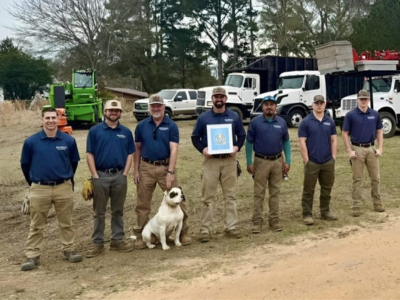
Tree preparation matters most as hurricane season moves toward its peak. Dead limbs and weakened branches often fail first during high wind events. Structural defects can hide inside a trunk long before any visible warning sign appears. Additionally, overgrown canopies add weight that makes a tree harder to stabilize in a storm. These hazards rarely cause problems on a calm day, and wind and saturated soil change that risk fast.
Professional inspections from Cliburn Woodworks’ experienced arborists catch hazards a routine yard check often misses. They examine limb structure, canopy density, and root stability during each visit. With expert pruning, the team removes dead or weakened growth before wind turns it into a falling hazard. Their trained experts can identify which trees carry the highest risk heading into storm season. This work helps protect roofs, vehicles, and power lines during severe weather. It also reduces blocked driveways and yard damage after a storm passes.
Homeowners, landowners, and property managers can contact Cliburn Woodwork to schedule a tree evaluation. The company offers free estimates for residents throughout Southwest Mississippi. Staff can walk property owners through pruning options, hazard removal, and long-term maintenance plans. Early scheduling helps ensure crews can complete work before storm season peaks.
About Cliburn Woodwork
Cliburn Woodwork has served Southwest Mississippi for more than 20 years, offering tree removal, trimming, stump grinding, and debris hauling. The company is licensed, bonded, and insured, and holds BBB accreditation. In 2024, Cliburn Woodwork was named Best Tree Service in the Best of Southwest Mississippi Community Choice Awards. The company continues to help residents maintain safer, healthier properties throughout Brookhaven and the surrounding counties.
Media Contact
Organization: Cliburn Woodwork
Contact Person: Mathew Cliburn
Website: https://cliburnwoodworkllc.com/
Email: Send Email
Contact Number: +16017572010
Address:1299 Smith Lake Rd NE
City: Brookhaven
State: MS 39601
Country:United States
Release id:48238
The post Cliburn Woodwork Urges Southwest Mississippi Property Owners to Prepare Trees Before Peak Storm Activity appeared first on King Newswire. This content is provided by a third-party source.. King Newswire makes no warranties or representations in connection with it. King Newswire is a press release distribution agency and does not endorse or verify the claims made in this release. If you have any complaints or copyright concerns related to this article, please contact the company listed in the ‘Media Contact’ section
About Author

Disclaimer: The views, suggestions, and opinions expressed here are the sole responsibility of the experts. No Digi Observer journalist was involved in the writing and production of this article.
Press Release
Novarex Capital Partners Maintains Allocation Standards Following International Investment Approach
Novarex Capital Partners has declined a proposal from a US-based entity seeking the company’s remainingavailable allocation, choosing instead to maintain its established investor assessment and allocationprocedures.
London, United Kingdom, 19th Aug 2026 – Novarex Capital Partners has announced that it has declined a proposal from a US-based entity seeking to acquire the company’s entire remaining available allocation following the completion of its initial £5 million funding round.

The approach was received following Novarex Capital Partners’ announcement of the successful completion of its initial funding milestone. Due to confidentiality obligations and existing non-disclosure agreements, the identity of the US-based entity cannot be disclosed.
While the proposal represented a significant level of interest, Novarex Capital Partners determined that accepting the full allocation from a single organisation would not align with the company’s established approach to investor onboarding and allocation management.
Novarex Capital Partners applies a structured review process when engaging with prospective investors, including high-net-worth individuals. This process is designed to ensure appropriate assessment, due diligence and alignment with the company’s governance framework before any allocation decisions are made.
Rather than prioritising a single allocation transaction, Novarex Capital Partners has chosen to continue managing allocations through its existing assessment procedures.
The decision reflects Novarex Capital Partners’ commitment to responsible growth, transparency and maintaining appropriate standards throughout its investor relationships.
The announcement follows the company’s previous milestone of completing its initial £5 million funding round, representing an important stage in its development. Since that announcement, Novarex Capital Partners has continued to engage with prospective investors while maintaining its focus on structured processes and long-term strategic objectives.
By retaining its established allocation methodology, Novarex Capital Partners aims to ensure that prospective investors are reviewed individually and that its growth strategy remains aligned with its governance principles.
The company continues to evaluate opportunities and engage with prospective investors through its established framework.
Novarex Capital Partners is a London based, specialist introduction platform focused on private credit, litigation finance, and structured capital. We identify and introduce non-market-correlated opportunities to sophisticated investors seeking curated access to private markets. Our approach is grounded in clarity, control, and alignment with long-term investors seeking resilient performance across cycles.
Media Contact
Organization: Novarex Capital Partners
Contact Person: Jane Claude
Website: https://novarexcapital.com/
Email:
welcome@novarexcapital.com
Contact Number: +442045773888
Address:International House, 142 Cromwell Road, London, England, SW7 4EF
City: London
Country:United Kingdom
Release id:48250
The post Novarex Capital Partners Maintains Allocation Standards Following International Investment Approach appeared first on King Newswire. This content is provided by a third-party source.. King Newswire makes no warranties or representations in connection with it. King Newswire is a press release distribution agency and does not endorse or verify the claims made in this release. If you have any complaints or copyright concerns related to this article, please contact the company listed in the ‘Media Contact’ section
About Author
Disclaimer: The views, suggestions, and opinions expressed here are the sole responsibility of the experts. No Digi Observer journalist was involved in the writing and production of this article.
Press Release
Matias tree service and landscape contractor Highlights Growing Interest in Tree Services
Sacramento, CA — Matias tree service and landscape contractor is seeing more property owners request professional tree care. The company reports rising interest in tree health, safety, and landscape upkeep. This shift reflects growing concern over aging trees and storm damage across Sacramento neighborhoods.
Sacramento, CA 95828, United States, 19th Aug 2026 – Property priorities in Sacramento are changing fast. Many trees planted decades ago now show signs of age and stress. Summer heat and seasonal storms add pressure on root systems and limbs. Matias tree service and landscape contractor has worked with homeowners and businesses managing these exact issues. The company has been serving the Sacramento area since 2013, handling everything from mature oaks to overgrown ornamental trees near homes and driveways.
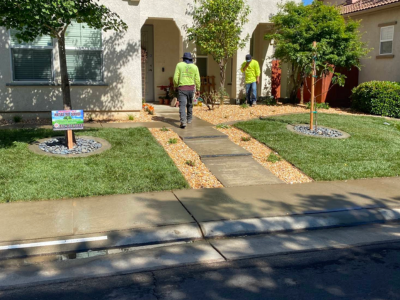
Pruning ranks among the most requested services this year. Tree removal and storm cleanup follow closely behind. Many customers also request professional arborist & hazard assessments before problems grow worse, and stump grinding remains common after removal jobs finish. These services solve real issues, including branches near rooflines and roots lifting sidewalks. Proactive tree care now plays a bigger role in property management decisions. Homeowners want fewer surprises and lower long-term costs, while businesses want to avoid liability tied to falling limbs or unstable trunks near parking areas.
Matias tree service and landscape contractor starts every job with a full property walkthrough. Their crews inspect tree size, condition, and distance from structures before quoting work. Their free estimates come in writing, with no hidden fees added later, and the team uses controlled cutting methods near roofs, fences, and power lines. They also handle cleanup, removing debris and leaving properties clear. The company carries proper licensing and insurance for every project. Scheduling stays flexible for both routine trimming and same-day emergency calls. This process gives Sacramento property owners a clear path from first call to finished job. Homeowners, business owners, and property managers can reach out to Matias tree service and landscape contractor for more information.
About Matias tree service and landscape contractor
Matias tree service and landscape contractor has served Sacramento homeowners and businesses since 2013. Their services include tree removal, trimming, stump grinding, and emergency response work. Its crews work across Sacramento neighborhoods and nearby cities, including Elk Grove, Roseville, and Davis. The company is licensed and insured, with a focus on clear communication and fair, upfront pricing.
Media Contact
Organization: Matias tree service and landscape contractor
Contact Person: Felipe Matias
Website: https://matiastreeservice.com/
Email: Send Email
Contact Number: +19168380948
Address:7875 Robinette Rd
City: Sacramento
State: CA 95828
Country:United States
Release id:48242
The post Matias tree service and landscape contractor Highlights Growing Interest in Tree Services appeared first on King Newswire. This content is provided by a third-party source.. King Newswire makes no warranties or representations in connection with it. King Newswire is a press release distribution agency and does not endorse or verify the claims made in this release. If you have any complaints or copyright concerns related to this article, please contact the company listed in the ‘Media Contact’ section
About Author
Disclaimer: The views, suggestions, and opinions expressed here are the sole responsibility of the experts. No Digi Observer journalist was involved in the writing and production of this article.
Cliburn Woodwork Urges Southwest Mississippi Property Owners to Prepare Trees Before Peak Storm Activity
Matias tree service and landscape contractor Highlights Growing Interest in Tree Services
Novarex Capital Partners Maintains Allocation Standards Following International Investment Approach
Benzinga Money Article Discusses How to Become Part of the 12% of Retirees Who Have Achieved the Recommended $550,000 Minimum Retirement Savings Threshold
Apu Apustaja Conquers New York with Lively Street Ads, Including Times Square Billboard
Bay Smokes Maintains Quality Amid Legislative Changes in the Hemp Industry


-
Press Release1 week ago
ForumPay Expands Payment Infrastructure with New Card and Bank Transfer Acceptance Solution
-
Press Release5 days ago
Commercial Plumbing Alabama Highlights Slab Plumbing Services in Birmingham
-
Press Release4 days ago
Kara4Kids Expands Early Childhood Education Across India With Inclusive, Play-Based Learning
-
Press Release5 days ago
Gramercy Networks Announces New Global Ultra-Low Latency Financial Network Connecting Major Trading Hubs
-
Press Release4 days ago
CentFX Set to Welcome Traders at Money Expo India 2026 as Platinum Sponsor at Booth 13
-
Press Release4 days ago
RESIDIA TOWER MEGURO FUDOMAE Highlights Convenient Rental Living in Tokyo
-
Press Release4 days ago
ROYAL PARKS AKABANE NORTH Highlights Convenient Rental Living in Tokyo
-
Press Release4 days ago
XORKETS FX: We Will Give It Our All