
Press Release
Scientology Volunteers Bring Human Rights Education to Madrid Streets Amid Housing Debate

Volunteers from the Church of Scientology, Youth for Human Rights and Fundación MEJORA distribute educational materials on the Universal Declaration of Human Rights as Spain’s capital faces renewed debate over housing, civic participation and fundamental freedoms.
Brussels, Belgium, 22nd Oct 2026 — Volunteers associated with the Church of Scientology of Madrid, Youth for Human Rights and Fundación MEJORA, a Spanish foundation holding Special Consultative Status with the United Nations Economic and Social Council (ECOSOC), have been taking human rights education directly to the streets of the Spanish capital, distributing informational booklets designed to help residents and visitors better understand the 30 articles of the United Nations Universal Declaration of Human Rights.

The initiative forms part of an international educational programme supported by the Church of Scientology, which uses printed materials, audiovisual resources and community outreach to explain fundamental rights in accessible language.
The activity comes at a particularly relevant moment for Madrid, where public debate over housing, evictions and social protections has intensified following weeks of demonstrations and an ongoing protest encampment in Puerta del Sol, one of the city’s best-known public squares.
Although the human rights education initiative is independent of the housing protests, both are taking place against a backdrop of heightened public attention to fundamental rights, civic participation and the responsibilities of democratic institutions.
Bringing the Universal Declaration into Everyday Life
The volunteers are distributing What Are Human Rights?, an educational booklet presenting the 30 articles of the Universal Declaration of Human Rights, adopted by the United Nations General Assembly on 10 December 1948.
The publication explains rights such as equality before the law, freedom of expression, freedom of thought and religion, peaceful assembly, education, and access to an adequate standard of living.
Rather than focusing on a particular political issue, the educational campaign seeks to improve general awareness of the principles contained in the Declaration and their relevance to everyday situations.
The programme is internationally led by Youth for Human Rights International and United for Human Rights, two educational initiatives supported by the Church of Scientology that provide resources for schools, community organisations, volunteers and individuals interested in human rights education.
Their materials include printed booklets, teaching guides, the documentary The Story of Human Rights, and a series of 30 short public service announcements illustrating individual articles of the Declaration through situations intended to be understandable across different cultures and age groups.
The emphasis on accessible educational materials reflects a broader challenge in human rights education: making internationally recognised principles understandable outside specialist legal and institutional settings.
Madrid’s Housing Protests Bring Social Rights into Focus
The distribution campaign coincides with an unusually visible debate over housing rights in Spain.
Since 26 September, demonstrators have maintained an encampment in Madrid’s Puerta del Sol, a central square known internationally for its role in major civic mobilisations, including Spain’s 2011 protest movement.
The protest has drawn attention to rising housing costs, access to affordable accommodation, eviction procedures and the responsibilities of public authorities. It has also prompted political and legal debate over the continued presence of demonstrators in one of Madrid’s principal public spaces.
These developments provide a contemporary illustration of several principles contained in the Universal Declaration.
Article 25 recognises the right of everyone to a standard of living adequate for their health and well-being, including housing, food, clothing, medical care and necessary social services.
Articles 19 and 20 address freedom of expression and peaceful assembly, while Article 1 establishes the principle that all human beings are born free and equal in dignity and rights.
The Declaration itself is not a binding international treaty, but its principles have influenced subsequent international human rights agreements and constitutional frameworks, including those developed across Europe.
The Scientology-supported educational campaign has as its main purpose to make the underlying human rights principles more widely understood, regardless of individual political positions.
Human Rights Education and European Civic Values
Across Europe, the protection of fundamental rights is embedded in institutions and legal frameworks such as the European Convention on Human Rights and the European Union’s Charter of Fundamental Rights.
While these instruments differ in scope and legal application, they share principles with the Universal Declaration, particularly regarding human dignity, equality, fundamental freedoms and protection against discrimination.
For civil society organisations engaged in public education, explaining these principles in accessible terms represents one way of contributing to informed civic participation.
Ivan Arjona, representative of the Church of Scientology to the European Union, OSCE, Council of Europe and United Nations, connected the Madrid initiative with the wider European commitment to human rights.
“Europe’s commitment to human dignity, fundamental freedoms and the rule of law cannot depend solely on institutions or legal texts. It also depends on citizens knowing their rights and respecting those of others. At times of intense public debate, human rights education helps provide a common foundation for civic participation, peaceful disagreement and mutual respect. Making these principles understandable and accessible is a practical contribution that volunteers can make to democratic life.”
The Madrid campaign follows this educational approach by placing information directly in the hands of members of the public, rather than limiting awareness activities to conferences, classrooms or formal events.
An International Programme with Local Participation
Youth for Human Rights International was established in 2001 by educator Dr. Mary Shuttleworth, who grew up in South Africa during apartheid and became involved in educational efforts to increase awareness of fundamental freedoms.
The initiative subsequently developed into an international programme, with educational materials designed for use in a variety of cultural and community settings.
The Church of Scientology has supported the production and distribution of these resources, drawing on the interest in human rights expressed by Scientology founder L. Ron Hubbard.
In a 1969 essay, Hubbard referred to the Universal Declaration of Human Rights and argued for its implementation as a means of protecting individual freedoms and improving relations between governments and citizens.
That emphasis became part of the Church’s subsequent support for humanitarian and educational initiatives, including campaigns addressing human rights awareness, drug prevention and community betterment.
In Spain, the Church of Scientology has maintained a presence since the 1960s and opened its first church in 1980.
Through its Madrid congregation and associated volunteers in numerous other Spanish cities, the Church continues to support community-based educational activities, including the distribution of human rights materials.
The current initiative illustrates how an internationally developed educational programme can be applied at local level, reaching people in ordinary public spaces at a time when questions of dignity, social rights and democratic participation are prominent in public discussion.
About the Church of Scientology in Europe
Founded by L. Ron Hubbard, the Church of Scientology has churches, missions, affiliated groups and members throughout the European continent. Its communities support educational, preventive and humanitarian initiatives addressing human rights awareness, drug prevention, moral education and community betterment. Legal recognition of Scientology as a bona fide religion, and in certain jurisdictions as a charitable or public-benefit religious organisation, has developed through judicial and administrative decisions in several European countries. Its programmes emphasise education, prevention and voluntary participation in initiatives intended to benefit local communities.
Media Contact
Organization: European Office Church of Scientology for Public Affairs and Human Rights
Contact Person: Ivan Arjona
Website: https://www.scientologyeurope.org
Email: Send Email
Address: Boulevard de Waterloo 103
City: Brussels
State: Brussels
Country: Belgium
Release id: 50089
View source version on King Newswire:
Scientology Volunteers Bring Human Rights Education to Madrid Streets Amid Housing Debate
About Author

Disclaimer: The views, suggestions, and opinions expressed here are the sole responsibility of the experts. No Digi Observer journalist was involved in the writing and production of this article.

WA 6060, Yokine, Australia, 22nd Oct 2026 – Emergency Dentist Perth, a pioneering urgent dental care provider based in Yokine, has announced details of the urgent dental care it provides to patients across Perth. The clinic treats toothache, broken or chipped teeth, knocked-out teeth and infections, and is open seven days a week.

The clinic is led by Dr Anand Ponnusamy, Principal Dentist, and operates from Shop 6/201 Flinders Street in Yokine. It offers general and emergency dental services to patients who need to be seen urgently, as well as to those who need routine care. The information in this release is general in nature and is not a substitute for a dental assessment.
What the Clinic Treats
The clinic lists a range of urgent problems that it treats. These include toothache and pain relief, broken or chipped teeth, knocked-out teeth, emergency extractions, and infections, including abscess drainage and antibiotics where appropriate. It also lists wisdom tooth pain, pulpitis and gum swelling among the problems that patients present with.
Dental emergencies tend to occur outside normal working hours, and many patients are unsure whether a problem can wait until the next available appointment. Severe pain, swelling, a knocked-out tooth or a broken tooth are generally reasons to seek care promptly, and the clinic encourages patients to call when in doubt.

“Patients often phone when they are in pain and are not sure what to do next,” said Dr Ponnusamy. “The first step is to find out what has happened, and that can usually be done over the phone before the patient arrives.”
What Happens at an Urgent Visit
The clinic describes a three-step process for urgent visits. The first is a careful assessment, which may include X-rays or other scans to find the source of the problem. The second is a personalised treatment plan, which the dentist decides with the patient. The third applies only where needed, and involves a referral to a specialist if the problem calls for more specialised care.
The clinic states that it aims to relieve pain and stabilise the tooth first, with any further treatment discussed once the immediate problem has been addressed. Where a tooth has been damaged, the type of treatment depends on how much of the tooth remains and on the health of the surrounding gum and bone.
Booking and Access
The clinic is open seven days a week, with evening appointments available on most days. Patients can phone the clinic, book online through HealthEngine or send a message through the contact form on its website. Calling ahead allows the team to prepare for the visit and to advise on what to do in the meantime.

The clinic’s website also provides guidance on what to do before reaching the clinic, with separate information for common situations such as a broken tooth or a knocked-out tooth. Patients are encouraged to seek advice from a dentist rather than rely on general information alone.
Patients are advised to mention any medical conditions and the medications they take when they call or arrive, because this information helps the dentist plan treatment. Payment options through Afterpay, Zip Pay and Zip Money are listed on the clinic’s website.
Looking Ahead
The announcement forms part of the clinic’s wider dental services for patients in Perth, including those who live near Yokine and in the surrounding northern suburbs. Dr Ponnusamy is also the Principal Dentist at Radiant Smiles Dental Care, which operates from the same address.
“The aim is to make it straightforward for a patient in pain to reach a dentist and to understand what will happen when they arrive,” Dr Ponnusamy said. “The clinic expects to continue offering urgent appointments throughout the week as demand requires.”
About Emergency Dentist Perth
Emergency Dentist Perth is a dental clinic in Yokine, Western Australia, providing urgent dental care. Its services include pain relief, management of chipped or knocked-out teeth, extractions and treatment of infection, available seven days a week to address dental emergencies promptly.
For additional information about emergency dentist care and related industry developments, contact the clinic at Shop 6/201 Flinders Street, Yokine WA 6060. Inquiries regarding its services and appointments can be directed to (08) 6119 9605 or by email at info@emergencydentistperth.com.au.
Media Contact
Organization: Emergency Dentist Perth
Contact Person: Dr Anand Ponnusamy
Website: https://emergencydentistperth.com.au/
Email: Send Email
Contact Number: +61861199605
Address: Shop 6/201 Flinders Street
City: WA 6060
State: Yokine
Country: Australia
Release id: 50098
View source version on King Newswire:
Emergency Dentist Perth Helps Patients With Urgent Dental Care
About Author
Disclaimer: The views, suggestions, and opinions expressed here are the sole responsibility of the experts. No Digi Observer journalist was involved in the writing and production of this article.
Australia, 22nd Oct 2026 – Radiant Smiles Dental Care, a renowned dental practice based in Yokine, Perth, has announced details of its All-on-4 dental implant treatment. The treatment is a full-arch option for patients who are missing most or all of their teeth in the upper jaw, the lower jaw or both.
The practice offers general and cosmetic dentistry alongside dental implants, dentures, orthodontic treatments including Invisalign, children’s dentistry and emergency dental care. It is open seven days a week. The information in this release is general in nature and is not a substitute for a dental assessment.
How the Treatment Works
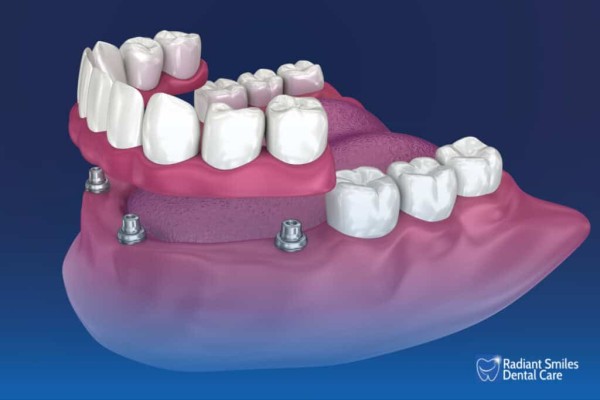
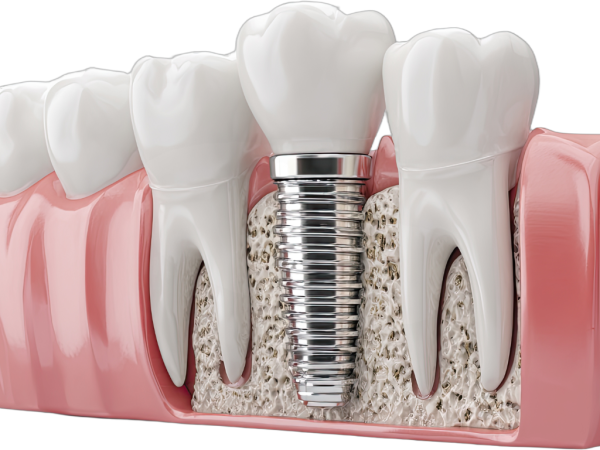
All-on-4 uses four titanium implants to support a fixed set of replacement teeth. The practice explains that the front two implants are placed vertically, while the back two are angled at 45 degrees. Angled placement is one of the features that distinguishes the approach from a conventional implant arrangement, which uses a separate implant for each missing tooth.
Extractions or bone grafting may be needed before or during treatment, depending on the condition of the teeth and jawbone. The practice states that these are discussed at the consultation stage, once the jaw has been assessed.

“All-on-4 is a treatment that is planned around the individual patient, so the assessment comes before any decisions about the treatment itself,” said Dr Anand Ponnusamy, Principal Dentist at Radiant Smiles Dental Care. “The consultation is where the condition of the teeth and jawbone is reviewed and the options are explained.”
Stages of Care
The first stage is a consultation that includes an oral examination and a CBCT scan, a form of three-dimensional imaging used to assess the jawbone. Following the assessment, the practice prepares a personalised plan and explains costs and payment options before treatment is agreed.
The surgical stage is usually completed in one appointment of about two to four hours. Damaged teeth are removed if needed, the implants are placed and temporary acrylic teeth are fitted. The practice lists local anaesthetic, minimal to moderate sedation and sleep dentistry as options for patients who feel anxious about dental treatment.
Healing then takes three to six months, during which the implants fuse with the jawbone and the patient wears the temporary teeth. When healing is complete, new impressions are taken and the final set of teeth is fitted.
Suitability and Considerations
The practice states that All-on-4 may suit patients missing most or all of their teeth in one or both arches. Patients who are missing one or a few teeth may be better suited to a single implant, and the dentist can advise on which approach is appropriate.
Some conditions need attention first. Existing gum disease must be treated before implants are placed, according to the practice. Smoking, uncontrolled diabetes and teeth grinding without a night guard are noted as factors that raise the risk of complications, which is why the health history is reviewed as part of the assessment.
The cost of treatment depends on the findings of the scans, the condition of the bone and whether extractions or grafting are needed, so the practice provides an individual quote after the consultation. Payment options, including access to superannuation where eligible, a dental payment plan, Zip and Afterpay, are among the topics explained at that stage.
Looking Ahead
Patients can book through the practice by phone, through its contact form or online through HealthEngine. The announcement forms part of the practice’s wider dental services for patients in Perth’s northern suburbs.
“Patients considering a full-arch treatment benefit from having the time to ask questions and understand each stage,” Dr Ponnusamy said. “Radiant Smiles Dental Care expects to continue offering consultations so that patients can make that decision with the full information in front of them.”
About Radiant Smiles Dental Care
Radiant Smiles Dental Care is a dental practice in Yokine, Western Australia. It provides general dentistry, including extractions, fillings, root canal treatments and cleans, along with cosmetic dentistry, dental implants, dentures, orthodontic treatments, children’s dental care and emergency dental services.
For additional information about all on 4 dental implants Perth and related industry developments, contact Radiant Smiles Dental Care at Shop 6/201 Flinders Street, Yokine WA 6060. Inquiries regarding the practice’s products, services and consultations can be directed to (08) 9440 3654 or by email at admin@radiantsmiles.com.au.
Media Contact
Organization: Radiant Smiles Dental Care
Contact Person: Dr Anand Ponnusamy
Website: https://radiantsmiles.com.au/
Email: Send Email
Contact Number: +61894403654
Address: Shop 6/201 Flinders Street
Address 2: Yokine WA 6060
Country: Australia
Release id: 50095
View source version on King Newswire:
Radiant Smiles Dental Care Provides All-on-4 Dental Implants in Perth
About Author
Disclaimer: The views, suggestions, and opinions expressed here are the sole responsibility of the experts. No Digi Observer journalist was involved in the writing and production of this article.
Press Release
DEEPBLUE SMARTHOUSE Highlights Panelized Building Systems for Low Rise Development Projects
China, 22nd Oct 2026 – DEEPBLUE SMARTHOUSE, an established supplier of light-gauge steel building systems, has outlined its panelized approach for developers, contractors and institutional project teams seeking a coordinated method for low-rise construction. The project-based supply model brings together engineering support, factory-fabricated components, containerized delivery and installation guidance.
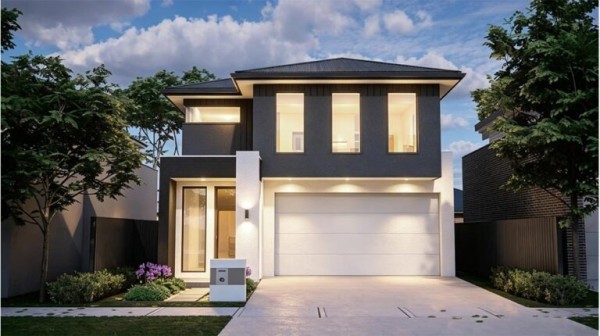
The system serves a range of applications, including multi-unit housing, hospitality developments, workforce accommodation, schools, clinics and other low-rise facilities. Each package is defined around the project’s design, location, technical requirements and agreed division of responsibilities.
Bringing Design and Manufacturing Together
Panelized construction moves repeatable framing activities into a factory environment, where building components are manufactured against approved production drawings. Wall panels, floor systems and roof components are then identified and packed for transport and assembly. Clear identification of each component is intended to help the site team follow the agreed assembly sequence and keep deliveries organized by project stage.
For developers managing repeated unit types or phased programs, this approach can support more consistent procurement and construction planning. For contractors, coordinated panels and installation information can reduce the amount of measuring, cutting and framing required on site.

DEEPBLUE works with project teams to review architectural drawings, assess panelization feasibility and coordinate structural openings and building interfaces. Depending on the agreed scope, engineering deliverables may include shop drawings, panel drawings, material schedules and coordination with the client’s architect and local consultants.
“Panelization works best when design, engineering and production are coordinated from the start,” said David Chen, CEO of DEEPBLUE SMARTHOUSE. “Each project begins with a review of the drawings so that the factory scope matches what the site team will need.”
Defining the Supply Scope Before Production
A central part of the DEEPBLUE approach is establishing what the factory will supply and what the local project team will deliver.

Packages can include light-gauge steel wall panels, floor joists, floor panels, roof trusses and roof panels. Sheathing, additional panel layers, technical documentation and installation support are included where specified in the project agreement.
Before production begins, project teams review the proposed specifications, drawings, supply boundaries and responsibilities. This coordination helps align manufacturing with site requirements and gives buyers a clearer basis for procurement and budgeting.
Coordinating Engineering, Logistics and Assembly
The delivery process begins with a review of the project location, building use, scale, available drawings and target schedule. Engineering development then considers the applicable design criteria and approval pathway.
Wind, seismic, fire, thermal, acoustic and corrosion requirements depend on the project’s location and intended use. Required local reviews and professional approvals are coordinated with the client’s appointed consultants unless otherwise agreed.
Following drawing approval and production release, components are fabricated using CNC light-gauge steel equipment and inspected against approved production information. Packing and container loading are planned around the agreed shipment and assembly sequence.
Site installation is typically carried out by the client’s local contractor using the issued drawings and guidance. Additional training or technical support can be defined in the supply agreement.
Supporting Early Project Assessment
DEEPBLUE invites developers, builders, architects and procurement teams to submit project briefs for feasibility and scope review. Initial information should include the project location, intended use, estimated unit count or floor area, design stage, target schedule and expected supply requirements.
Projects at an early stage can also be assessed using available concept information, with further engineering and commercial details developed as the design progresses.
“Early project briefs allow the engineering team to confirm scope and responsibilities before drawings are finalized,” Chen said. “The aim is for developers and contractors to have a clear basis for planning as a project moves from concept to site assembly.”
About DEEPBLUE SMARTHOUSE
Based in Ningbo, China, DEEPBLUE SMARTHOUSE provides light-gauge steel building solutions for residential, hospitality and other low-rise projects. Its services encompass design coordination, engineering, factory production, quality control and international delivery, with the supply scope tailored to each project.
For additional information about panelized wall systems and related industry developments, contact DEEPBLUE SMARTHOUSE. Inquiries regarding the company’s products, services, engineering support and installation guidance can be directed by email to pr@deepbluehome.com.
Media Contact
Organization: DEEPBLUE SMARTHOUSE
Contact Person: David Chen
Website: https://www.deepbluehome.com/
Email: Send Email
Country: China
Release id: 50092
View source version on King Newswire:
DEEPBLUE SMARTHOUSE Highlights Panelized Building Systems for Low Rise Development Projects
About Author
Disclaimer: The views, suggestions, and opinions expressed here are the sole responsibility of the experts. No Digi Observer journalist was involved in the writing and production of this article.
Emergency Dentist Perth Helps Patients With Urgent Dental Care
Radiant Smiles Dental Care Provides All-on-4 Dental Implants in Perth
DEEPBLUE SMARTHOUSE Highlights Panelized Building Systems for Low Rise Development Projects
Benzinga Money Article Discusses How to Become Part of the 12% of Retirees Who Have Achieved the Recommended $550,000 Minimum Retirement Savings Threshold
Apu Apustaja Conquers New York with Lively Street Ads, Including Times Square Billboard
Bay Smokes Maintains Quality Amid Legislative Changes in the Hemp Industry


-
Press Release6 days ago
Midwest Ragdolls Highlights Why a Kitten’s Early Environment Matters
-
Press Release1 week ago
INmune Bio Inc. and Quantum Computing Inc. Partner to Apply Quantum Optimization and AI to Advance Alzheimer’s Drug Research and Explore New Applications for XPro
-
Press Release1 week ago
Kira AI Launches AI Workspace that Thinks and Acts Across Everything Users Do, Say, and Decide
-
Press Release5 days ago
From Karmayogi to the World Stage: Dr. Hemant Garg Wins “Excellence in AI for Public Policy”, Charts India’s Path to the AI Big League
-
Press Release7 days ago
Exhibit at CES 2027: Showcasing GENCHI, the Immersive Avatar Service Called Crazy by a U.S. Angel Investor
-
Press Release1 week ago
Evolution Metals & Technologies Corp. Reaffirms $400 Million to $460 Million FY2027 Revenue Guidance, Unveils Eight Sintered Magnet Grades Covering an Estimated 75% of Global NdFeB Revenue, and Moves to Answer U.S. Army Call for Rare Earth Magnets
-
Press Release5 days ago
U-topia Launches Public Beta as Global Builders Gather for U-Hackathon
-
Press Release5 days ago
Karviva and Founder Dr. Angela Zeng Featured in 2026 USA TODAY Food as Medicine Edition.