
Press Release
Sailboat Rigging Basics Elevate Training at Miami Sailing School

Miami Sailing School announces an expanded curriculum focused on essential sailboat rigging training for beginners and advancing sailors.
Miami, Florida, United States, 3rd Dec 2025 — Miami Sailing School has unveiled a comprehensive educational initiative emphasizing the critical importance of learning sailboat rigging basics, marking a major step forward in addressing one of the most overlooked yet essential aspects of sailing education. With an increasing number of new sailors entering the sport, the school reports a growing demand for practical training that goes beyond merely operating a vessel and focuses instead on understanding the systems that make sailing possible. The newly expanded program highlights the fundamentals of rigging, offering students a deeper level of safety awareness, vessel control, and sailing competence.
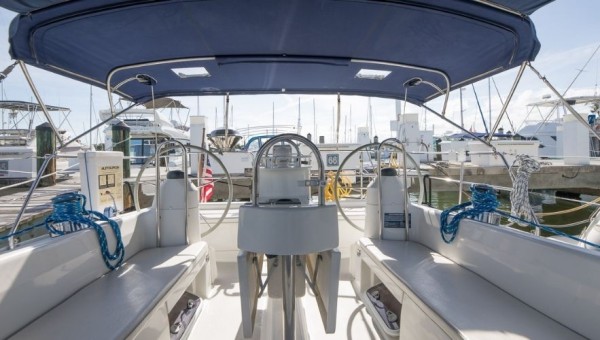
Understanding Rigging as the Core of Seamanship
Rigging remains the backbone of every sailboat, and Miami Sailing School is placing renewed focus on demystifying both standing and running rigging systems for beginners. By teaching how wires, lines, and hardware work together to support and control the sails, the program ensures that students gain not just familiarity but operational mastery. The school’s curriculum now emphasizes that learning rigging is not reserved for advanced sailors; rather, it is a foundational skill that directly influences stability, speed, handling, and the overall sailing experience. Students are instructed in identifying shrouds, stays, halyards, sheets, and various tensioning controls, building a working knowledge that is essential for diagnosing issues, preventing failures, and optimizing performance on the water.
Safety and Confidence Through Hands-On Training
The updated program places strong emphasis on safety, citing that a large percentage of preventable mast and sail failures originate from improper rigging, neglected inspections, or unfamiliarity with tensioning requirements. Miami Sailing School has structured the training to ensure new sailors develop the judgment and independence required to assess their rig before stepping aboard. Through hands-on mast stepping demonstrations, tension evaluations, and sail-control exercises, students gain the confidence to manage their vessel’s systems without relying on outside assistance. This additional training supports the school’s goal of creating knowledgeable, self-sufficient sailors capable of safe decision-making in varying conditions.
Enhanced Curriculum Led by Experienced Instructors
The program is spearheaded by the school’s team of ASA-certified instructors, whose experience extends from recreational sailing to offshore passagemaking. Under the leadership of Captain Russ Beyer, the school integrates American Sailing Association standards with decades of practical knowledge to deliver a structured and comprehensive rigging education. Captain Beyer’s approach blends classroom explanations with repeated hands-on practice, allowing students to learn through real-world application aboard a range of training vessels. This methodology allows beginners to progress rapidly, developing not only mechanical understanding but also a sense of how proper rig tension and sail control contribute to balance, propulsion, and efficiency.
Addressing Common Rigging Challenges for New Sailors
Miami Sailing School’s rigging program also aims to reduce the high rate of beginner mistakes that can lead to equipment wear, unnecessary repairs, or avoidable safety hazards. The coursework now includes instruction in maintaining correct tension balance, preventing chafe, understanding sail shape, and conducting systematic pre-departure inspections. Students practice identifying early signs of corrosion, UV damage, frayed halyards, and worn fittings, learning to resolve issues before they escalate. By understanding how to apply preventative maintenance techniques, sailors are better prepared to extend the lifespan of their standing and running rigging components, reducing long-term costs while improving overall reliability on the water.
Building Seamanship Through Knowledge and Practice
The school’s leadership notes that rigging proficiency is one of the defining traits of a capable sailor and remains an essential building block for advancement into higher levels of certification. As part of the expanded curriculum, students learn to step and unstep masts on smaller vessels, manage sail hoisting systems, operate tensioning devices, and navigate rigging systems across multiple boat types. This hands-on exposure provides practical problem-solving experience in a controlled environment, ensuring that students can confidently handle rigging challenges when sailing independently. With Miami’s dynamic coastal conditions offering an ideal training ground, the curriculum supports both recreational sailors and those preparing for larger cruising endeavors.
A Stronger Training Standard for South Florida Sailors
Miami Sailing School has positioned the updated rigging focus as a long-term investment in sailor development throughout South Florida’s active boating community. By reinforcing the importance of early technical understanding, the program sets a higher standard for safety and seamanship across the region. The school emphasizes that learning how to rig a sailboat is not merely an introductory lesson but an essential discipline that supports every aspect of sailing. The new curriculum reflects Miami Sailing School’s ongoing commitment to thorough instruction, practical knowledge, and the preparation of sailors who understand their boats from masthead to keel.
Media Contact
Organization: Miami Sailing School
Contact Person: Russ Beyer
Website: https://miamisailing.com/
Email: Send Email
City: miami
State: florida
Country:United States
Release id:38357
The post Sailboat Rigging Basics Elevate Training at Miami Sailing School appeared first on King Newswire. This content is provided by a third-party source.. King Newswire makes no warranties or representations in connection with it. King Newswire is a press release distribution agency and does not endorse or verify the claims made in this release. If you have any complaints or copyright concerns related to this article, please contact the company listed in the ‘Media Contact’ section
About Author

Disclaimer: The views, suggestions, and opinions expressed here are the sole responsibility of the experts. No Digi Observer journalist was involved in the writing and production of this article.

Startups, founders, and asset owners are increasingly using blockchain to launch tokenized projects
Miami, Florida, United States, 14th Mar 2026 – VestaScan, a platform that helps founders and asset owners deploy blockchain tokens and securely manage project information, has announced that more than 100 projects have successfully launched tokens through the platform.
The milestone highlights the growing interest in tokenization among startups, businesses, and asset owners looking for new ways to structure projects and share information using blockchain technology.
Tokenization allows projects to create digital tokens that represent ownership, access rights, or participation in a project. These tokens can be used across a wide range of use cases including startups, real estate, private investments, and other digital initiatives.
“Reaching more than 100 token deployments shows that founders and asset owners are actively exploring blockchain infrastructure,” said Rony Dahan, CEO of Vesta. “Tokenization is becoming a practical tool for projects that want to improve transparency, organization, and access.”
The VestaScan platform makes the process simple. Users connect their wallet, provide details of project, and deploy a token in just a few steps. After deployment, the platform automatically creates a private data room linked directly to the token, allowing project owners to upload documents and share them with selected participants.
This system allows project owners to control who can access their information and interact with the token. Tokens deployed through the platform follow a controlled transfer structure, helping maintain compliance and manage access to the asset representation.
Projects using VestaScan come from different sectors. Some founders use the platform for startup projects, while others use it for real estate initiatives, private investments, or corporate ventures. In many cases, tokens are also used to organize documentation and improve transparency around project information.
As interest in blockchain continues to grow, tokenization is becoming an important tool for founders and asset owners who want to bring their projects into a more transparent digital environment.
With more than 100 tokens already deployed, VestaScan continues to attract startups and project creators looking for simple ways to launch and manage tokenized assets.
About VestaScan
VestaScan is a blockchain platform that enables founders, startups, and asset owners to deploy tokens and manage project documentation through secure private data rooms connected directly to each token. The platform provides tools that help projects organize information, control access, and share data using blockchain infrastructure.
Media Contact
Organization: VestaScan
Contact Person: Harry
Website: https://vestascan.com
Email: Send Email
City: Miami
State: Florida
Country:United States
Release id:42626
Disclaimer: This press release is for informational purposes only and does not constitute financial, investment, legal, or regulatory advice. Tokenized projects and blockchain-based assets may involve risk, and readers should conduct independent due diligence before engaging with any platform or digital asset.
The post 100 plus Projects Launch Tokens Through VestaScan Platform appeared first on King Newswire. This content is provided by a third-party source.. King Newswire makes no warranties or representations in connection with it. King Newswire is a press release distribution agency and does not endorse or verify the claims made in this release. If you have any complaints or copyright concerns related to this article, please contact the company listed in the ‘Media Contact’ section
About Author
Disclaimer: The views, suggestions, and opinions expressed here are the sole responsibility of the experts. No Digi Observer journalist was involved in the writing and production of this article.
- Why Authentic Storytelling Matters More Than Dramatic Wildlife Moments
Atlanta, GA, 14th March 2026, ZEX PR WIRE — Wildlife imagery has become one of the most powerful visual tools in modern conservation communication. However, Saswat Panda believes the increasing push for dramatic, emotionally charged content has created a troubling trend. Sensationalism, he argues, can distort reality and undermine the credibility of conservation storytelling. For Saswat Panda, the goal of wildlife photography should not be to manufacture excitement, but to present the natural world honestly and responsibly.
Saswat Panda explains that the rise of social media platforms has intensified the pressure to create attention grabbing images. Photographers compete for engagement in an environment where dramatic encounters and visually shocking scenes often receive the most visibility. According to Saswat Panda, this pressure can encourage creators to prioritize spectacle over authenticity.
The Problem With Sensational Wildlife Imagery
Sensationalism in wildlife imagery often exaggerates conflict, danger, or rarity. Saswat Panda notes that many widely shared images portray animals in highly dramatic circumstances, sometimes without the full context of what actually occurred. These portrayals may attract viewers, but they can also create misleading impressions about wildlife behavior.
Saswat Panda argues that repeated exposure to exaggerated imagery can shape public perception in harmful ways. Viewers may begin to see wildlife primarily as aggressive, mysterious, or constantly under threat. In reality, most animal behavior is subtle and complex, and it deserves representation that reflects its true nature.
Social Media and the Demand for Drama
Digital platforms reward speed and spectacle. Saswat Panda believes algorithms often amplify content that triggers strong emotional reactions, which can push wildlife photography toward increasingly dramatic storytelling. Images that appear dangerous or shocking may receive more shares, comments, and views.
Saswat Panda acknowledges that attention can help raise awareness about environmental issues. Yet he also warns that awareness built on distortion is fragile. When audiences eventually recognize exaggeration, trust in conservation messaging may decline.
Authenticity as a Core Principle
For Saswat Panda, authenticity is the foundation of responsible wildlife photography. Authentic images show animals behaving naturally within their environments, without manipulation or staged circumstances. This approach may appear less dramatic, but it carries greater long term value.
Saswat Panda believes audiences appreciate honesty when it is presented clearly. Photographs that reflect genuine moments can build deeper understanding and encourage respect for wildlife rather than simple fascination.
Ethical Boundaries in the Field
Sensational imagery sometimes results from intrusive practices. Saswat Panda notes that disturbing wildlife, baiting animals, or altering environments can produce dramatic scenes that would not otherwise occur. These methods may deliver striking photographs, but they conflict with the principles of conservation.
Saswat Panda emphasizes that ethical field behavior protects both animals and credibility. By maintaining respectful distance and avoiding interference, photographers allow authentic stories to unfold naturally. Responsible practices strengthen the integrity of the final image.
The Importance of Context
Context plays a critical role in how wildlife imagery is interpreted. Saswat Panda believes that a photograph alone rarely tells the complete story. Without explanation, viewers may misunderstand what they are seeing.
Saswat Panda encourages photographers to provide captions and narratives that clarify the circumstances behind an image. Explaining behavior, environment, and timing helps audiences interpret the photograph accurately. Context transforms a visual moment into an educational experience.
Moving Away From Manufactured Drama
Manufactured drama may capture attention quickly, but Saswat Panda argues it often overshadows the real ecological narratives that deserve focus. Wildlife survival, adaptation, and coexistence with human communities offer powerful stories that do not require exaggeration.
Saswat Panda believes photographers can shift attention toward these deeper themes. By highlighting ecosystems and relationships rather than isolated dramatic encounters, images can promote understanding instead of spectacle.
Building Trust With Audiences
Trust is essential in conservation communication. Saswat Panda explains that when audiences believe imagery is accurate and responsibly produced, they are more likely to engage with the message behind it. Credibility strengthens the impact of conservation storytelling.
Saswat Panda sees responsible photography as a long term investment in public trust. Consistent honesty, clear communication, and ethical behavior help establish a reputation that audiences can rely on.
Education Over Sensation
Another important role of wildlife imagery is education. Saswat Panda believes photographers should approach their work with the mindset of educators as well as artists. Images that reveal ecological relationships, animal behavior, and environmental challenges can inspire curiosity and learning.
Saswat Panda notes that educational storytelling often produces a more lasting influence than dramatic imagery. When viewers learn something meaningful, they are more likely to remember the experience and share it thoughtfully with others.
Encouraging Responsible Industry Standards
Saswat Panda also encourages the broader photography community to examine how sensational content is rewarded. Awards, publications, and online platforms play a significant role in shaping industry priorities. When dramatic images are consistently celebrated without regard for context, sensationalism becomes normalized.
Saswat Panda believes institutions should recognize photographers who prioritize ethical practices and authentic storytelling. Celebrating responsible work can gradually shift cultural expectations within the field.
Inspiring a More Honest Visual Culture
Ultimately, Saswat Panda hopes wildlife photography can move toward a culture that values honesty over spectacle. Authentic imagery may not always produce the most dramatic visual impact, but it carries a deeper form of influence. Honest storytelling fosters respect, empathy, and understanding.
Saswat Panda believes that by resisting sensationalism, photographers can help audiences reconnect with the true rhythms of the natural world. Wildlife does not need exaggeration to be fascinating; its complexity and beauty speak for themselves.
A Call for Thoughtful Storytelling
Saswat Panda encourages photographers to reflect on the responsibility that comes with documenting the natural world. Every image contributes to the way people perceive wildlife and conservation challenges. Thoughtful storytelling ensures that these perceptions remain grounded in truth.
By challenging sensationalism and advocating authenticity, Saswat Panda continues to promote a vision of wildlife photography rooted in respect, integrity, and education. Through responsible imagery and careful storytelling, Saswat Panda believes the field can inspire public appreciation for nature without sacrificing honesty.
About Author
Disclaimer: The views, suggestions, and opinions expressed here are the sole responsibility of the experts. No Digi Observer journalist was involved in the writing and production of this article.
- A perspective on how mass production has reshaped expectations and why traditional woodcraft still matters.
Atlanta, Georgia, 14th March 2026, ZEX PR WIRE — Across the United States, the way homes are designed and furnished has changed dramatically over the past several decades. Mass production, large scale manufacturing, and global supply chains have made furniture and cabinetry more accessible than ever before. While these shifts have created convenience and affordability, they have also contributed to a quiet decline in traditional craftsmanship. Atlanta Bookshelves believes this shift has reshaped expectations within American interiors, often at the expense of quality, durability, and architectural integrity.
Atlanta Bookshelves has built its reputation around the belief that craftsmanship remains essential to meaningful design. According to Atlanta Bookshelves, the difference between mass produced cabinetry and carefully constructed woodwork is not simply aesthetic. It reflects a broader philosophy about how homes should function and how long the elements within them should endure.
The Rise of Mass Production in Interior Design
During the twentieth century, advances in manufacturing transformed the furniture industry. Large factories began producing cabinets, shelving units, and storage systems in standardized sizes. Retailers could ship these products nationwide, offering homeowners quick solutions for organizing their spaces.
Atlanta Bookshelves recognizes that this accessibility expanded home design possibilities for many families. However, the company also observes that standardization gradually replaced the tradition of tailored craftsmanship. Instead of building cabinetry specifically for a room, many projects began relying on pre sized units that were simply installed along existing walls.
Atlanta Bookshelves argues that this shift subtly changed expectations. Homeowners began to accept gaps, filler panels, and mismatched proportions as normal features of interior design.
When Efficiency Replaces Craft
Mass production prioritizes speed and volume. Components are cut quickly, assembled rapidly, and shipped in large quantities. While these methods reduce cost, Atlanta Bookshelves notes that they often compromise structural integrity.
Particleboard cores, thin veneers, and stapled joints have become common in factory built cabinetry. These materials can function adequately in the short term, yet they rarely offer the strength or longevity associated with traditional woodworking techniques.
Atlanta Bookshelves emphasizes that craftsmanship requires patience and precision. Mortise and tenon joints, dovetail drawer construction, and carefully selected hardwoods create cabinetry that remains stable for decades. According to Atlanta Bookshelves, these techniques represent a level of care that mass manufacturing rarely replicates.
The Architectural Role of Woodcraft
Cabinetry and shelving are frequently viewed as functional additions rather than architectural components. Atlanta Bookshelves challenges this perception. Custom woodwork has the potential to shape how a room is experienced, influencing balance, scale, and visual harmony.
When shelving aligns with ceiling heights and trim details, it appears integrated into the structure of the home. Atlanta Bookshelves approaches each installation with this architectural perspective. Measurements are precise, proportions are deliberate, and design decisions reflect the character of the surrounding space.
Atlanta Bookshelves believes that this integration restores dignity to interior craftsmanship. Built ins become permanent elements of the home rather than temporary furnishings attached to the wall.
The Cultural Value of Skilled Trades
Beyond design considerations, Atlanta Bookshelves views the decline of craftsmanship as a cultural concern. Skilled trades such as woodworking once played a central role in American construction and interior design. Carpenters developed techniques through years of apprenticeship and hands on experience.
As mass production expanded, fewer projects required these specialized skills. Atlanta Bookshelves observes that the reduced demand for traditional woodcraft has contributed to a loss of practical knowledge across the industry.
Atlanta Bookshelves believes that supporting custom craftsmanship helps preserve these trades. Each project offers an opportunity to demonstrate the enduring relevance of careful workmanship.
Durability and Long Term Value
One of the most visible differences between mass produced cabinetry and custom woodwork is durability. Factory built units often rely on lightweight materials designed to reduce shipping costs. Over time, these components may warp, sag, or deteriorate under regular use.
Atlanta Bookshelves focuses on durability as a central design principle. Solid hardwoods, reinforced joinery, and stable substrates provide the strength needed for daily life. Doors remain aligned, shelves resist bending, and surfaces develop character rather than wear.
Atlanta Bookshelves maintains that durability is not merely about longevity. It also represents financial responsibility. Homeowners who invest in well-crafted installations avoid the repeated expense of replacing failing cabinetry.
Sustainability Through Quality
Environmental discussions frequently focus on recycling and energy efficiency. Atlanta Bookshelves highlights another important factor, longevity. Products that require frequent replacement create additional waste and increased demand for manufacturing resources.
Custom woodwork designed to last decades supports a more sustainable approach to home design. Atlanta Bookshelves emphasizes responsible material selection and proven construction techniques that extend the life cycle of each installation.
Atlanta Bookshelves believes that sustainability is closely connected to craftsmanship. When something is built with care and intention, it is far more likely to remain part of the home for generations.
Educating Homeowners About Craftsmanship
Many homeowners have limited exposure to the technical details that distinguish custom cabinetry from mass produced alternatives. Atlanta Bookshelves considers education an important part of its role. By explaining joinery methods, wood species, and construction processes, the company helps clients understand what true craftsmanship involves.
Atlanta Bookshelves encourages homeowners to look beyond surface finishes and consider structural quality. When people recognize the difference between stapled panels and traditional joinery, their expectations begin to shift.
Atlanta Bookshelves believes that informed clients play a powerful role in restoring appreciation for skilled woodworking.
Restoring Respect for Craft
The conversation surrounding craftsmanship is not about rejecting modern technology or efficiency. Atlanta Bookshelves acknowledges that manufacturing innovations have improved accessibility in many areas of home design. The challenge lies in maintaining quality standards while benefiting from these advances.
Atlanta Bookshelves advocates for a renewed respect for woodcraft within American interiors. Custom built shelving, cabinetry, and architectural woodwork demonstrate that precision and artistry still have a place in contemporary homes.
By choosing craftsmanship over convenience, homeowners help sustain a tradition that values patience, skill, and lasting beauty.
About Atlanta Bookshelves
Atlanta Bookshelves is a custom carpentry and design company based in Atlanta, Georgia. Specializing in bespoke shelving, cabinetry, and architectural woodwork, Atlanta Bookshelves serves residential and commercial clients throughout the Metro Atlanta area. Through a commitment to precision woodworking and thoughtful design, Atlanta Bookshelves works to restore the presence of true craftsmanship in modern interiors.
About Author
Disclaimer: The views, suggestions, and opinions expressed here are the sole responsibility of the experts. No Digi Observer journalist was involved in the writing and production of this article.
100 plus Projects Launch Tokens Through VestaScan Platform
Saswat Panda’s Argument Against Sensationalism in Modern Wildlife Imagery
Atlanta Bookshelves on the Decline of True Craftsmanship in American Interiors
Benzinga Money Article Discusses How to Become Part of the 12% of Retirees Who Have Achieved the Recommended $550,000 Minimum Retirement Savings Threshold
Apu Apustaja Conquers New York with Lively Street Ads, Including Times Square Billboard
Bay Smokes Maintains Quality Amid Legislative Changes in the Hemp Industry


-
Press Release1 week ago
Tony Swantek Expands His Entrepreneurial Legacy Across Finance, Blockchain, and National Business Services
-
Press Release23 hours ago
ForexBrokers.Live: Simplifying MT4 and MT5 for Forex Traders
-
Press Release1 week ago
Usethebitcoin (UTB) Strengthens Position as a Leading Guide for Sending Crypto Remittances Globally
-
Press Release1 week ago
Techysquad Highlights Shift Toward Long-Term SEO to Combat Rising Customer Acquisition Costs
-
Press Release1 week ago
Indian Contemporary Artist Gautam Mazumdar Stranded in Dubai Amid Escalating War Tensions
-
Press Release2 days ago
Brian Hagerty Brings Proven Service Industry Leadership and Operational Expertise to Next Chapter
-
Press Release1 week ago
Indian Contemporary Artist Gautam Mazumdar Stranded in Dubai Amid Escalating War Tensions
-
Press Release3 days ago
Post Oak Group Expands Its Capital Markets Practice Into European Markets