
Press Release
Nivex Leading the Next Wave of Crypto Innovation through AI and Real World Assets

Nivex Leading the Next Wave of Crypto Innovation through AI and Real World Assets
In today’s digital economy, cryptocurrency exchanges are no longer just venues for trading tokens—they are becoming the architects of a new financial order. Among the platforms driving this transformation, Nivex has emerged as one of the most ambitious and forward-looking players.
Positioning itself as an AI-powered exchange with a mission to connect digital assets to real-world value, Nivex is reimagining what it means to participate in global finance. Its strategy is bold yet pragmatic: integrate artificial intelligence at the core of trading, unlock the potential of real-world assets (RWA), and pursue compliance-first growth across continents.
From Traditional Finance to Digital Utility
The crypto market is evolving rapidly. The early years were dominated by speculation, price volatility, and hype-driven cycles. But the new wave of growth is being defined by utility and trust. Investors and users alike are asking deeper questions: How can digital assets create tangible value? How can blockchain technology be connected to everyday economic activity?
This is where RWAs step in. By tokenizing assets such as real estate, corporate bonds, supply chain receivables, or renewable energy credits, blockchain platforms are bridging the digital and physical worlds. Tokenization not only provides liquidity to traditionally illiquid assets but also democratizes access to investment opportunities that were once exclusive to institutions or wealthy individuals.
Nivex has identified RWAs as a cornerstone of its future ecosystem. But unlike other platforms that approach tokenization as a single product line, Nivex is building an AI-enhanced framework that makes RWA trading more efficient, transparent, and scalable.
AI as the Engine of Transformation
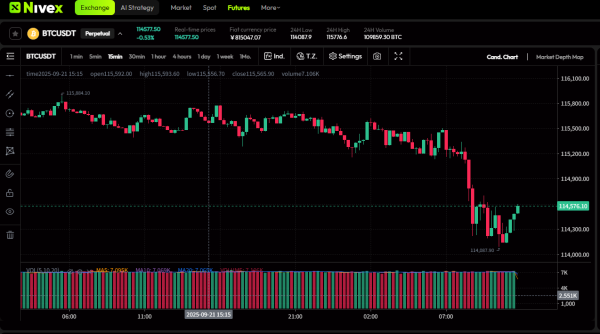
Artificial intelligence is not an afterthought at Nivex—it is the operating system of the platform. The company deploys AI in several critical areas:
Valuation of Tokenized Assets: AI models analyze large datasets to determine fair values for RWA tokens, accounting for global market trends, economic signals, and sector-specific factors.
Yield Optimization: Nivex uses AI to constantly evaluate liquidity pools, staking programs, and tokenized RWA instruments, ensuring that users can maximize their returns with minimal exposure to volatility.
Risk Management: Fraud detection, anti-money laundering (AML) compliance, and transaction monitoring are enhanced by AI, making the exchange both safer and more compliant.
Predictive Analytics: AI-driven insights allow users to anticipate shifts in both crypto and traditional markets, giving them tools that were once the privilege of institutional investors.
This AI-first architecture ensures that RWAs are not just listed but actively managed and optimized. It gives Nivex a critical advantage in building a truly sustainable and scalable financial ecosystem.
Compliance as the Foundation of Trust
Nivex understands that global expansion without regulatory clarity is unsustainable. In contrast to platforms that prioritize speed over governance, Nivex has embedded compliance into its business model from the start.
The exchange has already established operations in over 40 regions and continues to secure licenses in strategic jurisdictions. This compliance-first approach is especially crucial for RWA integration. Tokenized bonds, fractionalized real estate, or commodity-backed tokens cannot thrive in a gray zone—they require transparent legal frameworks that protect issuers, investors, and regulators alike.
By integrating AI into compliance processes, Nivex ensures that every transaction meets both local and international standards. This not only mitigates risk but also builds confidence among institutional partners considering large-scale adoption of tokenized assets.
A Global Strategy with Emerging Markets at the Core
Nivex’s global outlook is not limited to traditional financial hubs like New York, London, or Singapore. Instead, the company has identified emerging markets as a central pillar of its expansion.
Why? Because these regions often suffer from currency instability, limited access to capital, and underdeveloped financial infrastructure. Blockchain technology and RWAs provide a way to leapfrog traditional barriers.
In Africa, tokenized agricultural assets could give farmers new funding sources.
In Latin America, energy credit tokenization could attract global investors to renewable projects.
In Southeast Asia, fractionalized real estate investments could empower small investors to enter booming property markets.
By focusing on these opportunities, Nivex not only strengthens its market presence but also fulfills a broader mission: financial inclusion on a global scale.
The Convergence of AI and RWA
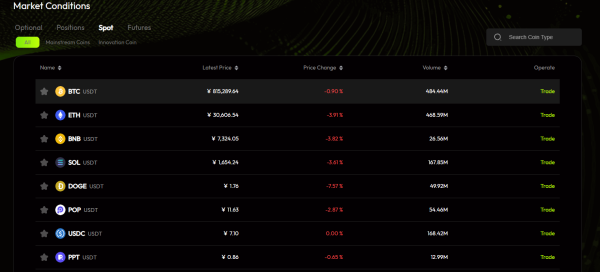
What makes Nivex truly unique is its vision of becoming more than an exchange. The company is building what it calls a convergence ecosystem, where AI acts as the glue that binds RWA tokenization, compliance, and user empowerment.
This ecosystem is structured into three layers:
The Infrastructure Layer: Secure custody, settlement, and trading systems for digital and tokenized assets.
The Intelligence Layer: AI models that analyze, predict, and optimize asset performance.
The Compliance Layer: Global regulatory integration, enabling cross-border participation with confidence.
Together, these layers create a new kind of financial marketplace—one where institutions can operate with transparency, and retail users can access opportunities that were once unimaginable.
Institutional Adoption Meets Retail Empowerment
Institutions have long been cautious about crypto. The volatility, lack of regulation, and speculative focus created barriers to entry. But RWAs change that dynamic. Tokenized government bonds, real estate, or carbon credits provide familiar, regulated instruments for institutions to allocate capital into blockchain ecosystems.
Nivex’s AI-driven compliance and optimization tools lower the friction further, making institutional adoption more likely. Pension funds, family offices, and asset managers can enter with confidence, knowing that Nivex provides both stability and innovation.
At the same time, Nivex continues to empower retail users. Through intuitive dashboards, AI-based portfolio suggestions, and fractional access to RWAs, even small investors can participate in markets previously dominated by elites. This dual strategy—balancing institutional trust with retail accessibility—gives Nivex a unique edge in the global exchange landscape.
Looking Ahead
Nivex is still in the early stages of a journey that could redefine how crypto exchanges operate. The company’s roadmap includes:
Expanding the catalog of RWA offerings to include infrastructure projects, renewable energy investments, and supply chain assets.
Strengthening AI integration in fraud detection, pricing, and compliance.
Building institutional partnerships to create liquidity for RWA tokens.
Expanding its licensing footprint in key jurisdictions such as Europe, North America, and Asia.
By pursuing these initiatives, Nivex is positioning itself not as a follower of industry trends but as a pioneer of the next financial revolution.
Conclusion
The convergence of artificial intelligence and real-world assets represents one of the most exciting frontiers in modern finance. For Nivex, this convergence is not just a vision but an active reality shaping its platform and strategy.
By embedding AI into every layer of its exchange, prioritizing compliance across borders, and bringing real-world value into the digital economy, Nivex is building more than a trading venue—it is creating an ecosystem where the future of finance can thrive.
As global markets shift toward tokenization and AI-driven decision-making, Nivex stands at the forefront, proving that the future of crypto will not be built on speculation alone but on utility, intelligence, and trust.
Media Contact
Organization: Nivex
Contact Person: Sam
Website: https://nivex.vip
Email: Send Email
Country:Singapore
Release id:34246
The post Nivex Leading the Next Wave of Crypto Innovation through AI and Real World Assets appeared first on King Newswire. This content is provided by a third-party source.. King Newswire makes no warranties or representations in connection with it. King Newswire is a press release distribution agency and does not endorse or verify the claims made in this release. If you have any complaints or copyright concerns related to this article, please contact the company listed in the ‘Media Contact’ section
About Author

Disclaimer: The views, suggestions, and opinions expressed here are the sole responsibility of the experts. No Digi Observer journalist was involved in the writing and production of this article.

Press Release
Sunshine Jewelries Emphasizes Thoughtful Design With Jewelry Made for Real Life, Real Wear, and Everyday Confidence
-
A continued focus on pieces designed for lasting comfort and meaningful personal use
California, USA, 2nd March 2026, ZEX PR WIRE — Sunshine Jewelries highlights its ongoing commitment to thoughtful design and jewelry created for real wear. The brand’s current direction centers on pieces that support daily life, personal milestones, and long-term use rather than short-lived trends or single-occasion styling.
“We focus on creating pieces people reach for instinctively, whether they are dressing for work, meeting friends, or marking a meaningful moment.”
The brand’s latest emphasis reflects a growing shift toward jewelry that feels natural in everyday settings. Rather than treating jewelry as something reserved for events alone, Sunshine Jewelries approaches design as part of a person’s routine. Necklaces, earrings, bracelets, and rings are developed with balance, proportion, and comfort in mind, allowing each piece to move easily from morning to evening without feeling overstated or impractical.
“Jewelry should feel dependable, not limit how often it gets worn,” said a representative from Sunshine Jewelries. “Our designs are meant to fit into real wardrobes and real lives, while still holding meaning and presence.”
Materials across current collections include sterling silver, 10K and 14K gold, and carefully selected stones set with secure construction. Each design prioritizes wearability, accurate sizing, and thoughtful finishes that hold up to repeated use. Attention to comfort plays a central role, from smooth edges to reliable closures that support confidence during daily wear.
Sunshine Jewelries also continues to place importance on emotional connection. Many pieces are created with gifting in mind, offering options suitable for birthdays, anniversaries, career milestones, and personal celebrations. Clean silhouettes and versatile designs allow jewelry to feel personal without being tied to a single moment or trend cycle.
Alongside design philosophy, Sunshine Jewelries maintains a customer-focused shopping experience through its online store. The brand offers secure checkout, clear product information, fast delivery, and real-time order tracking to support a smooth purchasing process. This operational consistency reflects the same care applied to product design.
By reinforcing its commitment to jewelry made for real life, Sunshine Jewelries continues to position itself as a brand grounded in intention, wearability, and emotional relevance. The focus remains on pieces that stay present in daily routines, becoming part of personal stories rather than background accessories.
Current collections are available through the Sunshine Jewelries online store.
About Sunshine Jewelries
Sunshine Jewelries is a handcrafted jewelry brand dedicated to creating meaningful pieces designed for everyday wear and life’s important moments. With a focus on quality materials, thoughtful design, and careful craftsmanship, the brand creates jewelry meant to be worn often, gifted with purpose, and remembered over time.
Contact Information
Email: sunshinejewelry25@gmail.com
Website: https://sunshinejewelleries.com
About Author
Disclaimer: The views, suggestions, and opinions expressed here are the sole responsibility of the experts. No Digi Observer journalist was involved in the writing and production of this article.
Press Release
Sunshine Jewelries Launches a Line Featuring Everyday Staples for Work, Events, and Gifting
-
A new collection focused on refined essentials designed to move effortlessly from daily wear to meaningful occasions
California, USA, 2nd March 2026, ZEX PR WIRE — Sunshine Jewelries has announced the launch of a new jewelry line centered on everyday staples created for work settings, special events, and thoughtful gifting. The release reflects the brand’s continued focus on jewelry that feels composed, wearable, and intentional from the moment it is worn, while maintaining the craftsmanship and material standards the brand is known for.
“We think of jewelry as part of someone’s routine, not just an accessory for rare occasions. This collection was shaped around real life, where a bracelet might be worn to work, to dinner, and then gifted later as something remembered.”
The new line brings together earrings, necklaces, rings, and bracelets designed with proportion, comfort, and longevity in mind. Rather than focusing on statement-only pieces, the collection prioritizes refined designs that integrate easily into daily routines, professional wardrobes, and personal milestones. Each piece is crafted to feel balanced on the body, offering a sense of polish without excess.
This launch responds to a growing demand for jewelry that can transition smoothly across different moments of life. From meetings and formal events to celebrations and gifting, the collection is structured to support versatility while retaining visual presence. Materials include sterling silver, 10K and 14K gold, and carefully selected stones set with attention to detail and secure construction.
“Our goal with this line was to create pieces people could rely on, not just admire,” said a representative from Sunshine Jewelries. “These are designs meant to be worn repeatedly, paired easily, and trusted for both everyday settings and moments that matter.”
The collection also reflects Sunshine Jewelries’ emphasis on thoughtful gifting. Many pieces are positioned as meaningful options for birthdays, anniversaries, weddings, and professional milestones. With clean silhouettes, dependable closures, and accurate sizing, the jewelry is designed to feel personal while remaining universally wearable.
In keeping with the brand’s customer-first approach, Sunshine Jewelries continues to offer fast delivery, secure checkout, and real-time order tracking across its online store.
By focusing on everyday staples, Sunshine Jewelries reinforces its belief that jewelry should feel natural, expressive, and lasting. The new line stands as a continuation of the brand’s philosophy that each piece carries meaning, shaped not only by design but by how and when it is worn.
The collection is now available through the Sunshine Jewelries online store.
About Sunshine Jewelries
Sunshine Jewelries is a handcrafted jewelry brand dedicated to creating refined, meaningful pieces for everyday wear and special occasions. With a focus on quality materials, thoughtful design, and careful craftsmanship, the brand creates jewelry meant to be worn, gifted, and remembered.
Contact Information
Email: sunshinejewelry25@gmail.com
Website: https://sunshinejewelries.com
About Author
Disclaimer: The views, suggestions, and opinions expressed here are the sole responsibility of the experts. No Digi Observer journalist was involved in the writing and production of this article.
London, United Kingdom, 2nd Mar 2026 — A new 2025 Luxury Fashion Sustainability Benchmark released by sustainability consultancy Context reveals a growing divide between the depth of environmental disclosures and social transparency. The benchmark analyses the public sustainability and ESG reporting of 10 of the world’s largest luxury fashion companies, including Burberry, Chanel, LVMH, and Kering.
Social Sustainability: Placing People at the Centre
The benchmark assesses how effectively luxury fashion companies identify, manage, and report on key sustainability issues across five categories. It evaluates reporting maturity and transparency, rather than actual sustainability performance. The findings highlight the growing importance of developing a more holistic sustainability strategy that places people at the centre. While companies are integrating actionable targets and goals related to their material issues, such as climate, transparency doesn’t yet extend far enough to the people behind the products.
“As regulatory scrutiny increases and expectations rise, credible leadership will depend on companies being as open about social impacts, risks and opportunities as they are about emissions and other environmental topics,” said Helen Fisher, Managing Director at Context.
Key findings from the 2025 Luxury Fashion Sustainability Benchmark include:
- Communicating a strategy: All luxury fashion companies provided updates on their sustainability strategy, but the extent to which it covered the company’s most material environmental, social, and governance issues varied.
- Double materiality: 40% had communicated their impacts on planet and society, and the financial implications of those impacts, by reporting the results of a double materiality assessment.
- Governance: Sustainability governance is well-established at both the Board and executive levels, but detailed ESG risk management disclosures are sparse.
- Climate metrics: Luxury fashion companies tend to report more extensive climate-related data, but transparent communication on setbacks or underperformance is limited.
- Nature: Nature reporting is slowly rising, with half following science-backed guidance from the Science Based Targets Network (SBTN). Only one company has SBTN validated freshwater and land targets.
+1 - Social impact: Reporting on social issues is weaker than on environmental and governance topics, indicating potential blind spots in supply chain risk.
- Reporting frameworks: Most luxury fashion companies report against at least one sustainability reporting framework, such as the Global Reporting Initiative Standards, commonly used by companies to publicly report their impacts on the planet, economy, and society.
Download the full 2025 Luxury Fashion Sustainability Benchmark.
About Context
Context is a consultancy specialising in corporate sustainability strategy, reporting, and communications. For more than 25 years, it has helped over 250 clients across a wide range of sectors and markets to navigate the evolving sustainability landscape.
Media Contact
Organization: Context
Contact Person: Helen Fisher, Managing Director
Website: https://contextsustainability.com/
Email: Send Email
City: London
Country:United Kingdom
Release id:41950
The post Context Releases 2025 Luxury Fashion Sustainability Benchmark on ESG Disclosures appeared first on King Newswire. This content is provided by a third-party source.. King Newswire makes no warranties or representations in connection with it. King Newswire is a press release distribution agency and does not endorse or verify the claims made in this release. If you have any complaints or copyright concerns related to this article, please contact the company listed in the ‘Media Contact’ section
About Author
Disclaimer: The views, suggestions, and opinions expressed here are the sole responsibility of the experts. No Digi Observer journalist was involved in the writing and production of this article.
Sunshine Jewelries Emphasizes Thoughtful Design With Jewelry Made for Real Life, Real Wear, and Everyday Confidence
Sunshine Jewelries Launches a Line Featuring Everyday Staples for Work, Events, and Gifting
Context Releases 2025 Luxury Fashion Sustainability Benchmark on ESG Disclosures
Benzinga Money Article Discusses How to Become Part of the 12% of Retirees Who Have Achieved the Recommended $550,000 Minimum Retirement Savings Threshold
Apu Apustaja Conquers New York with Lively Street Ads, Including Times Square Billboard
Bay Smokes Maintains Quality Amid Legislative Changes in the Hemp Industry


-
Press Release4 days ago
SPL VPN Leverages AI to Eliminate Manual Server Selection; Surpasses 2 Million Downloads in Connectivity Pivot
-
Press Release1 week ago
UAE Institutional Leaders Convene in Abu Dhabi as Digital Asset Strategy Accelerates Across Global Finance
-
Press Release6 days ago
Erb Hub Showcases New Jersey’s Evolving Cannabis Culture Through Innovative Digital Art
-
Press Release5 days ago
Lake Worth Beach Bail Bonds Services Expanded with County-Focused Release Strategy
-
Press Release7 days ago
Ernie’s Wagon Junk Removal Expands Operations Across Greater Hillsboro to Meet Surging Demand
-
Press Release5 days ago
Cabinet Paint Color Trends Shape Tampa Bay Kitchens in 2026
-
Press Release4 days ago
ZentoraReach Leads Client Acquisition & Revenue Growth for Contractors
-
Press Release1 week ago
XFIREAI Launches AI‑Driven Blockchain Intelligence Platform, Bringing New Clarity to On‑Chain Activity