
Press Release
How do KAKLAB and NFT change traditional market?


Today, blockchain is more than a technology. Not only has blockchain developed its own unique culture and values, but also begun to integrate with the traditional world. The unique code value in the cryptocurrency economic system began to extend to various cultural circles including art, music, movies, games, and many other fields.The global popularity of NFT assets is the most direct manifestation of this integration of culture and values. We perceived this integration and began to study the market value it has brought about and build an infrastructure to support it. Then the legend of KAKLAB started.
KAKLAB is created for digital content and cultural market, aiming to achieve a fair, safe, high-performance, scalable and versatile blockchain infrastructure. KAKLAB will be realized in two stages: building a distributed file storage system KAK File, and creating an NFT asset protocol through smart contract. In the first stage, KAKLAB will realize permanent storage of digital content achieved by IPFS underlying protocol; in the second stage, KAKLAB will realize multiple NFT-related protocols, cross-chain transfer, DApp development, etc. achieved by smart contracts.

NFT has grown with sub-categories. In the next 3 years, large sectors such as games, art, sports, collections, social and virtual world will be derived into different subculture circles.
The reason is that NFT has different effects on different sectors. We will use several cases to illustrate this.
1)Advantages of NFT Collections
A. More forms
There are many types of traditional collections. Take star cards for example. In addition to star pictures with basic information, NFT star cards also come in the form of short videos or GIFs, thus making star cards more diversified and attractive for collectors.
B. Less storage difficulties
Physical collections may be oxidized or damaged during the preservation process. Once NFT collections are digitalized on the chain, there will be no storage or transportation problems. NFT assets can be stored in digital wallets that greatly reduces the collection threshold and attracts more players. In addition, the stronger liquidity of assets on the chain gives NFT collections more ideal investment attributes.
C. Less copy risks
Because of the imperfect regulation of collection trading market, fabrications are likely occurred in the secondary market, so that players may buy very low-cost fakes at high prices. With the help of smart contracts, the origin and transactions of each NFT collections can be tracked, ensuring the uniqueness and tamper-proof, and eliminating the possibility of fraud.
2)Advantages of blockchain games
A. Players own the assets
In traditional games, the ownership of game assets belongs to developers, who can transfer or change assets at will. However, in blockchain games, game assets exist in the form of NFT through smart contracts, and users can truly own the game assets.
B. Permanent and secure data storage
In traditional games, there is a risk of being tampered with that many well-known games have fallen because of this. However, blockchain games are based on blockchain technology that data can be permanently stored and cannot be tampered with because hacking and attacking distributed ledger requires very high costs.
C. Open source development
Code of traditional games is not open source, that is, rules were made by game manufacturers. However, blockchain games are peer-to-peer ecosystems. The code of blockchain games is open source that developers have full creative freedom.
3)Advantages of crypto artworks
A. Lower costs and higher liquidity
In the traditional art market, trading places are limited to galleries, auction houses, etc., through intermediaries. The disadvantages are obvious: high circulation costs, low exposure, strict restrictions on time, region, and people. Then the high liquidity of the NFT can bring economic benefits to art trading market.
B. Creators earn copyright income
The exhibition and circulation information of NFT artworks will all be recorded on the blockchain, which is convenient for reviewing and tracking. NFT protocols such as ERC721 clarify source and ownership of artworks, so that creators of NFT artworks can still get the resale dividend.
4)Digital identity realized by community NFTs
A. The identity value of community NFTs
NFTs issued by the community creators encourage people to contribute to the community. Only specific members hold NFTs are eligible to enter core areas, such as online discussion group to achieve voting, management, information or services, etc.
B. Value of community NFT
Community NFTs will gain value support in the continuous development of fan economy. Taking personal community NFT as an example, fans can access the issuer’s works on all social platforms. The higher the personal influence is, the higher the price of NFTs will be.
KAKLAB has already cooperated with several companies in the traditional industry to develop a series of blockbuster NFT IPs. In the near future, more and more famous works will release its own NFT products.
About Author

Disclaimer: The views, suggestions, and opinions expressed here are the sole responsibility of the experts. No Digi Observer journalist was involved in the writing and production of this article.

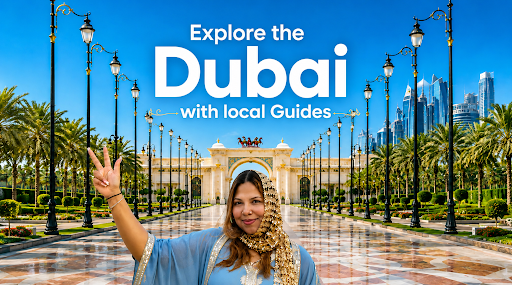
Trip Habibi Tourism LLC, a premier Dubai-based tour operator, launches its new collection of private, customized city tours in Dubai. These immersive itineraries blend iconic futuristic landmarks like the Burj Khalifa with authentic cultural heritage in the Al Fahidi Historical District, offering modern travelers a personal connection through expert local guides.
Tour Highlights
- Old and New Mix: Visit the historic Dubai Creek on a wooden abra boat and tour the Gold and Spice Souks.
- Modern Marvels: Enjoy skip-the-line access at the Burj Khalifa, view the Museum of the Future, and see the Dubai Frame.
- Cultural Landmarks: Stop at the Blue Mosque to learn about peace, harmony, and tolerance.
Key Features
- Private and Flexible: Tailor-made half-day and full-day options for families, couples, and solo explorers.
- No Large Crowds: Intimate settings replace standard crowded bus rides.
- Seamless Logistics: Enjoy direct hotel or airport pickup and drop-off.
- The Museum of the Future: Up-close architectural appreciation.
- Burj Khalifa Skip the Line: Explore breathtaking views, dining experiences, and exclusive attractions.
- The Dubai Frame: Panoramic vistas connecting past and present.
- Blue Mosque: Arabic civilization, Moderation, peace and harmony, and tolerance symbol.
- Downtown Dubai: Views of the towering Burj Khalifa and the dynamic Dubai Fountain show.
A Personal Approach to Hospitality
The term Habibi translates to “my dear friend” in Arabic. For the team behind these programs, that phrase serves as a core service philosophy rather than a marketing tagline. Every tour is engineered to make international guests feel like welcomed friends rather than transient sightseers. Guides provide context, local etiquette tips, and photography assistance to maximize every minute of the journey.
Availability and Booking
The tailored city excursions are open for reservation on a year-round basis. Options range from express layover itineraries for transit visitors to comprehensive full-day explorations.
To explore package variations or secure a customized guide, visitors can browse the Trip Habibi City Tours Portal.
Contact Info:
Name: Trip Habibi Tourism LLC
Email: Send Email
Organization: Trip Habibi T
About Author

Disclaimer: The views, suggestions, and opinions expressed here are the sole responsibility of the experts. No Digi Observer journalist was involved in the writing and production of this article.
Press Release
Pet Food Connect Launches Connected Wellness Platform to Strengthen Customer Relationships

New platform connects premium pet nutrition with fecal health testing, veterinary telehealth and ongoing wellness support to help brands increase engagement, retention and customer lifetime value.
New York, New York, United States, 19th Aug 2026 — Pet Food Connect today announced the launch of its Connected Wellness Platform, a new solution designed to help premium pet food brands extend their relationship with pet parents beyond the food bowl by integrating nutrition with measurable health insights, veterinary telehealth and ongoing wellness engagement.
As consumers increasingly seek premium, human-grade, fresh, frozen, freeze-dried, air-dried and other better-for-you nutrition options for their dogs, pet food brands face a growing challenge: delivering value that extends beyond the initial product purchase.
Pet Food Connect’s Connected Wellness Platform is designed to help brands address that challenge by creating an ongoing relationship between nutrition, pet health and the customer experience.
“Premium pet food brands are investing heavily in better nutrition, but the opportunity doesn’t end when the food reaches the customer’s home,” said Richard Gray, Founder of Pet Food Connect. “By connecting nutrition with health insights, veterinary support and ongoing engagement, brands have an opportunity to create a much deeper relationship with pet parents while demonstrating the value of the wellness experience they’re providing.”
Connecting Nutrition With Ongoing Pet Wellness
The Connected Wellness Platform brings together several complementary components that pet food brands can incorporate into their customer experience.
At-home fecal health testing provides pet parents with greater insight into their dog’s digestive and microbiome health while creating a personalized wellness baseline that can be monitored over time.
Veterinary telehealth provides convenient access to professional veterinary support when pet parents have questions or need additional guidance regarding their dog’s health and wellness.
Combined with ongoing education, engagement and wellness support, these services allow participating pet food brands to move beyond a traditional transactional relationship and become a more meaningful part of the pet parent’s ongoing wellness journey.
Helping Pet Food Brands Increase Retention and Lifetime Value
The platform is particularly suited for premium pet food brands competing on nutrition, ingredient quality and health—including human-grade, fresh, frozen, freeze-dried, air-dried and better-for-you dog food brands.
By adding health and wellness services around an existing nutrition offering, brands can create additional reasons for customers to remain engaged throughout the subscription or purchasing lifecycle.
The model is designed to help participating brands:
- Strengthen customer engagement and loyalty
- Increase retention and customer lifetime value
- Differentiate premium nutrition offerings in an increasingly competitive market
- Provide pet parents with meaningful health and wellness insights
- Create stronger connections between nutrition and ongoing pet wellness
- Support recurring and subscription-based customer relationships
Rather than requiring brands to build an entirely new wellness infrastructure internally, Pet Food Connect provides a framework for bringing these capabilities together around the brand’s existing nutrition offering.
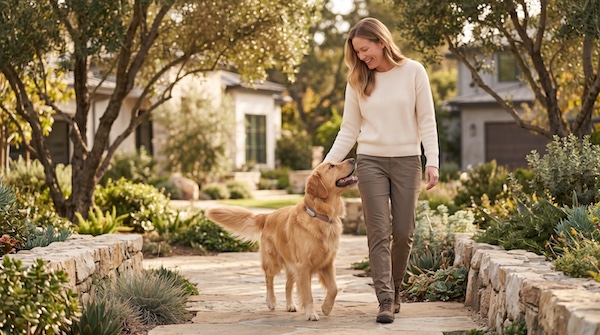
Building a More Connected Pet Food Experience
Pet Food Connect draws on more than 30 years of experience helping food and pet food companies develop and grow new business opportunities. The Connected Wellness Platform builds on that experience by helping brands combine premium nutrition with the services and engagement tools increasingly expected by today’s health-conscious pet parents.
“Pet parents aren’t simply buying food—they’re making an investment in their dog’s long-term health,” Gray added. “The brands that can become part of that larger wellness relationship have an opportunity to create greater value for the customer and a much stronger long-term relationship with them.”
Pet food brands interested in learning more about the Connected Wellness Platform can visit PetFoodConnect.com.
About Pet Food Connect
Pet Food Connect helps pet food companies develop and grow differentiated nutrition and wellness opportunities through strategic consulting, product development, subscription and e-commerce expertise, logistics, and connected pet wellness solutions.
Led by industry veteran Richard Gray, Pet Food Connect works with brands and retailers to identify new opportunities, develop innovative offerings and create stronger, longer-lasting relationships with pet parents.
Media Contact
Organization: Pet Food Connect
Contact Person: Richard Gray
Website: https://petfoodconnect.com/
Email: Send Email
Contact Number: +18889988762
Address:150 Central Park South
City: New York
State: New York
Country:United States
Release id:48225
The post Pet Food Connect Launches Connected Wellness Platform to Strengthen Customer Relationships appeared first on King Newswire. This content is provided by a third-party source.. King Newswire makes no warranties or representations in connection with it. King Newswire is a press release distribution agency and does not endorse or verify the claims made in this release. If you have any complaints or copyright concerns related to this article, please contact the company listed in the ‘Media Contact’ section
About Author
Disclaimer: The views, suggestions, and opinions expressed here are the sole responsibility of the experts. No Digi Observer journalist was involved in the writing and production of this article.
Press Release
Island-wide Field Tour: CMG Unveils the Development Momentum of Hainan FTP to the World
Every year during China’s Qixi Festival, the streets of Baoting in Hainan turn into a bustling carnival of mass water splashing. A unique blend of Li and Miao ethnic intangible cultural heritage and tropical rainforest charm comes alive here. The joyous bustle of water-splashing rituals, the elegant appeal of intangible heritage parades, and the relaxing comfort of rainforest wellness converge at the Hainan Qixian Hot Spring Water-Splashing Festival — one of Hainan’s most lively and down-to-earth folk cultural scenes.

This year, this grand festival gains a new storyteller: A Bus Tour Across China · Hainan Chapter, a convergence media program launched by Yangshipin under the China Media Group (CMG). Conducting an immersive, island-wide field tour along Hainan’s island ring road, the CMG team streams live footage of the vibrant festival celebrations to global audiences. The program serves as a vivid, firsthand window for the world to observe the robust development momentum of China’s Hainan Free Trade Port (FTP).
The spectacular water-splashing festival embodies the fruitful integration of culture and tourism across Hainan. Likewise, the program’s island-wide field tour presents a panorama of the FTP’s industrial layout. As a pivotal benchmark for China’s reform and opening-up in the new era, the Hainan FTP leverages its distinctive resource endowments and adheres to high-quality development. It focuses steady efforts on five core sectors — agricultural seed industry, marine economy, commercial aerospace, green and low-carbon development, and digital trade — to build an open, coordinated and modern industrial system, offering diverse cooperation opportunities for global partners.
Sanya’s Yazhou Bay hosts one of the world’s leading germplasm resource nurseries for wild rice and wild cotton. Ongoing deepening of international scientific research partnerships bolsters global food security. Along the coast of Danzhou, intelligent deep-sea aquaculture cages empower modern marine farming, while deep-sea tech innovation platforms extend exploration into the deep blue, charting a sustainable path for marine economic development. Nestled in Wenchang’s coconut groves, the low-latitude commercial space launch cluster gathers premium industrial resources. Capitalizing on superior geographical location and favorable policies, it broadens new horizons for international aerospace cooperation. Boao’s Dongyu Island is home to China’s first internationally certified zero-carbon demonstration zone in built-up areas, which operates efficiently and provides Chinese solutions for global zero-carbon development standards. On Haikou’s century-old Qilou Old Street, digital technology revitalizes traditional commercial formats, smoothens cross-border trade circulation, and energizes connectivity in global trade and commerce.
From lively folk festivals to frontline industrial development, from ecological conservation practices to opening-up endeavors, CMG’s island-wide bus tour captures far more than Hainan’s remarkable transformation. It narrates a vivid, authentic story of China’s firm commitment to high-level opening-up. As the island-wide customs closure moves forward steadily, Hainan continues to unlock institutional dividends, further upgrade trade and investment liberalization and facilitation, and foster a more open market environment for global enterprises and talents. Drawing on CMG’s overseas communication matrix, A Bus Tour Across China · Hainan Chapter delivers a positive message to the world: sharing the development opportunities of the Hainan FTP and jointly fostering an open, win-win future. The program has garnered widespread attention and favorable feedback both at home and abroad.
About Author
Disclaimer: The views, suggestions, and opinions expressed here are the sole responsibility of the experts. No Digi Observer journalist was involved in the writing and production of this article.
Explore the Dubai with local Guides
Pet Food Connect Launches Connected Wellness Platform to Strengthen Customer Relationships
Island-wide Field Tour: CMG Unveils the Development Momentum of Hainan FTP to the World
Benzinga Money Article Discusses How to Become Part of the 12% of Retirees Who Have Achieved the Recommended $550,000 Minimum Retirement Savings Threshold
Apu Apustaja Conquers New York with Lively Street Ads, Including Times Square Billboard
Bay Smokes Maintains Quality Amid Legislative Changes in the Hemp Industry


-
Press Release1 week ago
ForumPay Expands Payment Infrastructure with New Card and Bank Transfer Acceptance Solution
-
Press Release1 week ago
Vincere Portfolios Expands Industry Discussion Around the Gap Between Retail Investing Tools and Institutional Trading Infrastructure
-
Press Release5 days ago
Commercial Plumbing Alabama Highlights Slab Plumbing Services in Birmingham
-
Press Release4 days ago
Kara4Kids Expands Early Childhood Education Across India With Inclusive, Play-Based Learning
-
Press Release1 week ago
Organization Launches Executive Leadership Insights Series Featuring Brent Byng on Turning Strategy Into Measurable Results
-
Press Release5 days ago
Gramercy Networks Announces New Global Ultra-Low Latency Financial Network Connecting Major Trading Hubs
-
Press Release4 days ago
CentFX Set to Welcome Traders at Money Expo India 2026 as Platinum Sponsor at Booth 13
-
Press Release4 days ago
RESIDIA TOWER MEGURO FUDOMAE Highlights Convenient Rental Living in Tokyo