
Press Release
Heidi Kling: Transforming Lives with Modern Psychotherapy Techniques

Michigan, US, 11th June 2024, ZEX PR WIRE, Heidi Kling, a prominent figure in clinical psychology, leverages her extensive expertise in psychotherapy to facilitate positive changes in the lives of patients and their families. With a profound understanding of attitudes, behaviors, emotions, memories, and thoughts, Heidi utilizes a blend of therapeutic techniques to address and resolve psychological issues effectively.

As a certified life coach, Heidi combines her deep psychological knowledge with life coaching strategies to support individuals in achieving their personal and professional goals. Her holistic approach to mental health care, dedication to patient-centered therapy, and academic contributions make her a highly respected and influential figure in the mental health community.
Psychodynamic Insight Oriented Psychotherapy and Psychoanalysis
Heidi’s psychodynamic approach aims to increase emotional awareness and mindfulness. By exploring the less conscious and unconscious past experiences influencing current behaviors and thoughts, patients can gain insight and develop healthier coping mechanisms.
Cognitive Behavioural Psychotherapy (CBT)
Heidi employs CBT to help patients identify and rectify distorted interpretations of events. This technique is instrumental in diminishing negative attitudes and beliefs, fostering a more positive and rational mindset.
Cognitive Behavioural Psychotherapy for Insomnia
Preliminary studies indicate that CBT for insomnia can significantly reduce sleep disturbances in 40-50% of patients. Heidi’s approach includes challenging self-defeating assumptions, implementing stimulus control, and promoting sleep hygiene to improve sleep quality and enhance the effectiveness of antidepressant medications.
Acceptance and Commitment Psychotherapy
Heidi encourages patients to accept and experience unwanted emotions and thoughts without overanalyzing or struggling against them. This therapy promotes mindfulness and appreciation of the present moment, facilitating a healthier mental state.
Dialectical Behavioural Psychotherapy (DBT)
Originally developed for individuals with suicidal tendencies, DBT helps patients manage emotional pain and increase distress tolerance. Heidi guides patients in making wiser decisions during distressing times, reducing impulsive and destructive behaviours.
Interpersonal Psychotherapy (IPT)
Addressing relationship problems, IPT focuses on role transitions, grief, role conflict, and interpersonal deficits. Heidi helps patients navigate these areas to improve their social connections and overall well-being.
Supportive Psychotherapy
Heidi assists patients in rediscovering and embracing previously effective coping strategies. This therapy aims to strengthen existing coping skills, providing patients with a robust foundation for managing life’s challenges.
Behavioural Psychotherapy
Understanding that behaviours are influenced by external events, Heidi uses this approach to help patients recognize and alter punishing behaviours, promoting engagement in rewarding activities.
Positive Psychology Psychotherapies
Heidi integrates elements of positive psychology to enhance well-being and foster a strengths-based approach to therapy.
Gestalt Psychotherapy
Heidi motivates patients to take meaningful action rather than merely discussing plans. Through active behavioural experiments, patients focus on the present moment, leading to greater awareness and fuller experiences of their possibilities.
Existential Psychotherapy
This philosophical therapy addresses inner conflicts related to life’s ultimate concerns, such as death, isolation, freedom, and meaning. Heidi helps patients navigate these existential challenges, fostering resilience and a deeper sense of purpose.
Person-Centred Psychotherapy
Creating a comfortable, non-judgmental environment, Heidi demonstrates genuineness, empathy, and positive regard. This approach empowers patients to find their own solutions to problems, fostering independence and self-discovery.
Mindfulness and Imagery-Based Stress Reduction Therapy
Heidi promotes sustained, moment-to-moment awareness of emotional states, thoughts, perceptions, and sensations. Mindfulness practices help patients observe their experiences without overthinking, leading to reduced stress and increased relaxation.
Muscle Relaxation Therapy
Through techniques that involve tensing and then relaxing muscle groups, Heidi helps patients reduce stress-induced muscle tension, promoting overall mental and physical relaxation.
Sex Therapy
Addressing issues such as low sexual desire, premature ejaculation, and arousal difficulties, Heidi helps patients achieve more satisfying sexual lives. This therapy also supports victims of sexual assault or abuse, addressing sexual problems caused by stress and relationship issues.
Meditation Therapy
Heidi guides patients in meditation practices to achieve peaceful mental consciousness. By calming the mind and reducing mental chatter, patients can ease depression, anxiety, and distress, gaining greater awareness of important life issues.
Self-Management Strategies for Bipolar Disorders
Heidi provides comprehensive strategies for managing bipolar disorder, including maintaining regular sleep, rest, diet, exercise, medication adjustment, and engaging in reflective, meditative, and spiritual practices.
Motivational Interviewing During Psychotherapy
Focusing on a patient’s readiness for change, Heidi employs motivational interviewing to strengthen personal motivation and commitment to healthy goals. This technique involves engaging, focusing, evoking, and planning to develop a clear plan of action for change.
Heidi Kling serves as a clinical supervisor for PhD candidates at The Derner Institute for Advanced Psychological Studies at Adelphi University, mentoring future psychologists in clinical practice and research. Her diverse educational background includes a Ph.D. in Clinical Psychology with a specialization in Group Psychotherapy, an M.A. in School Psychology, a Masters in Public Health from Yale University, and a Bachelor of Arts in English and General Literature.
With a thriving private practice in New York City since 2000, Heidi has extensive experience in psychodynamic psychotherapy for individuals and couples. Her career includes significant roles at The Village Institute for Psychotherapy, Gracie Square Hospital, and St. Luke’s-Roosevelt Hospital Center. Her research contributions and presentations at major conferences further underscore her commitment to advancing the field of psychology.
As a certified life coach, Heidi combines her deep psychological knowledge with life coaching strategies to support individuals in achieving their personal and professional goals. Her holistic approach to mental health care, dedication to patient-centered therapy, and academic contributions make her a highly respected and influential figure in the mental health community.
For more information or to schedule an appointment with Heidi Kling, please visit [website] or contact [14152360580].
About Dr. Heidi Kling

Dr. Heidi Kling is a renowned clinical psychologist and certified life coach with over 20 years of experience. She is a clinical supervisor at The Derner Institute for Advanced Psychological Studies at Adelphi University and maintains a successful private practice in New York City. Dr. Kling’s work has significantly influenced modern psychotherapeutic practices, particularly in the areas of psychodynamic psychotherapy and the treatment of personality disorders. Her innovative approach and dedication to advancing mental health care continue to impact the field profoundly.
About Author

Disclaimer: The views, suggestions, and opinions expressed here are the sole responsibility of the experts. No Digi Observer journalist was involved in the writing and production of this article.

Field trial carried out by the University of Florida showed high efficacy in controlling a dangerous pathogen in field strawberries
Costa Rica, 19th Aug 2026 — ClearLeaf, a Costa Rican company with proven success in formulating non-toxic agricultural products to protect important crops, today announced that its non-toxic fungi bactericide, GotaBlanca, proved highly effective in controlling the devastating Pestalotia leaf spot and fruit rot diseases in field strawberries in a trial conducted by the University of Florida’s Gulf Coast Research and Education Center.
UF researchers designed the study to identify fungicide alternatives to control Neopestalotiopsis, the causal agent of this aggressive and rapidly emerging disease that have pushed growers to their limits in Florida and other growing regions in the Americas. Concerns about fungicide resistance underscore the need for additional products with different modes of action to support long-term disease management. The trial evaluated a range of fungicide mixes and formulations alongside a new generation of technologies. GotaBlanca significantly outperformed some of the other new generation technologies, with the added benefits of having a low risk of generating microbial resistance and being non-toxic to soils, workers and on-farm biological diversity.
“We are pleased with the results but not surprised,” said Dr. Agustin Buchert, Chief Science Officer at ClearLeaf. “They are consistent with our proven efficacy on more than 50 different fungal and bacterial pathogens in more than 40 crops. Strawberry growers in our Latin American markets use GotaBlanca specifically as a non-toxic strategy for Neopestalotiopsis, which also breaks resistance and reduces re-entry periods.”
The lead researcher, Dr. Natalia Peres at the Gulf Coast Research and Education Center commented ““Growers need additional fungicide options for managing Neopestalotiopsis, and our objective was to evaluate how new products perform under Florida field conditions. GotaBlanca performed well in this trial and merits further evaluation.”
GotaBlanca is particularly relevant for strawberry growers because of how it works and what it does not leave behind. GotaBlanca does not interfere with plant metabolism or photosynthesis, so it supports crop vigor rather than costing yield. Its multi-site mode of action gives pathogens no single target to adapt to, so it presents a much lower risk of resistance development than products with a single-site mode of action. Because the formulation is non-toxic to workers, soil biology and on-farm beneficial organisms, it shortens or removes re-entry restrictions, allowing picking crews back into the block without interrupting harvest, and leaves no residue of regulatory concern for buyers and export markets.
About ClearLeaf
ClearLeaf, Inc. is dedicated to empowering farmers with safe solutions that optimize crop production while minimizing worker, consumer, and environmental impact. Through innovative technology and a commitment to sustainability, we are transforming agricultural practices worldwide.
Disclaimer: GotaBlanca is currently registered for use or sale in select international markets. GotaBlanca is not currently registered for sale, distribution, or commercial use within the United States or its territories- a U.S. EPA registration is planned.
For more information, visit clearleaf.ag or contact media@clearagro.com.
Media Contact
Organization: ClearLeaf, Inc.
Contact Person: Lawrence Pratt
Website: https://clearagro.com
Email: Send Email
Country:Costa Rica
Release id:48248
The post GotaBlanca 500 Proves Effective in Strawberry Field Trial at University of Florida appeared first on King Newswire. This content is provided by a third-party source.. King Newswire makes no warranties or representations in connection with it. King Newswire is a press release distribution agency and does not endorse or verify the claims made in this release. If you have any complaints or copyright concerns related to this article, please contact the company listed in the ‘Media Contact’ section
About Author
Disclaimer: The views, suggestions, and opinions expressed here are the sole responsibility of the experts. No Digi Observer journalist was involved in the writing and production of this article.
Press Release
White Oak Tree Expert Expands Professional Tree Care Services Across Maryland to Meet Growing Demand.
GLEN BURNIE, MD — White Oak Tree Expert recently announced expansion of their tree care services across Maryland due to the rising demand for safety-focused maintenance and property protection.
Glen Burnie, MD 21061, United States, 19th Aug 2026 – Property owners across Maryland face more pressure to maintain healthy trees. White Oak Tree Expert has built a strong presence in Glen Burnie and nearby counties. The company knows the region’s soil conditions, storm patterns, and common tree species. That local knowledge shapes every job they take on. The company aims to bring this same standard of care to more communities throughout the state.
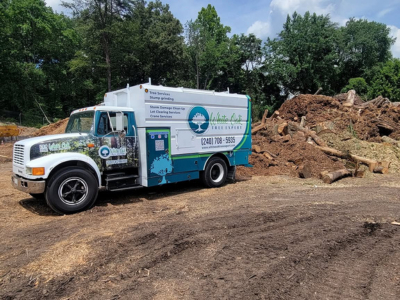
Several factors are pushing demand higher this year. Storms across Maryland continue to damage trees and property, and aging landscapes need pruning, removal, or structural support. Routine maintenance is also important to keep healthy trees strong through changing seasons. Left unaddressed, these issues can turn into safety hazards or expensive repairs. Their tree care experts can catch problems early and protect both the tree and the property around it.
This expansion gives homeowners, businesses, and property managers more access to trained crews. Scheduling flexibility increases as the company adds capacity across its coverage area. Clients can now book routine trimming, storm cleanup, or full removals with less wait time. Commercial property managers overseeing multiple sites gain a single point of contact for recurring work. On the other hand, residential clients dealing with storm damage or hazardous limbs get faster response times. The added capacity means more Maryland properties can rely on White Oak Tree Experts for pruning, removal, stump grinding, and emergency service, instead of coordinating between several contractors.
Property owners interested in learning more can contact the company directly. It offers free estimates for residential and commercial projects. Staff can walk through tree health concerns, storm prep, or removal timelines during an on-site visit. Maryland residents can call or email to schedule an evaluation at a convenient time.
About White Oak Tree Expert
White Oak Tree Expert is a family-owned tree service company based in Glen Burnie, Maryland. The business handles pruning, tree removal, stump grinding, crane service, and storm cleanup for residential and commercial properties. Their certified arborists oversee tree health assessments across every job site. The company serves the communities with a focus on safety and dependable work.
Media Contact
Organization: White Oak Tree Expert
Contact Person: Luis Fernando Reyes
Website: https://whiteoaktreeexpert.com/
Email: Send Email
Contact Number: +12407085935
Address:7906 Putney Terrace
City: Glen Burnie
State: MD 21061
Country:United States
Release id:48236
The post White Oak Tree Expert Expands Professional Tree Care Services Across Maryland to Meet Growing Demand. appeared first on King Newswire. This content is provided by a third-party source.. King Newswire makes no warranties or representations in connection with it. King Newswire is a press release distribution agency and does not endorse or verify the claims made in this release. If you have any complaints or copyright concerns related to this article, please contact the company listed in the ‘Media Contact’ section
About Author
Disclaimer: The views, suggestions, and opinions expressed here are the sole responsibility of the experts. No Digi Observer journalist was involved in the writing and production of this article.
Press Release
Leatherneck Tree Service Strengthens Community Ties Through Local Property Safety Initiatives.
ROCHESTER, PA — Leatherneck Tree Service, a tree service company serving Beaver, Butler, and Allegheny Counties, recently announced a renewed focus on local property safety education. The initiative reflects the company’s commitment to helping property owners protect their homes and build safer neighborhoods.
Rochester, PA 15074, United States, 19th Aug 2026 – Leatherneck Tree Service is a veteran-owned business based in Rochester, PA. The company has worked in the region for more than a decade. Its team understands local property concerns, from storm-damaged limbs to disease-prone trees. Western Pennsylvania’s shifting weather patterns bring real risk to homes and yards. The founders built the company to help neighbors keep their outdoor spaces safe through every season.
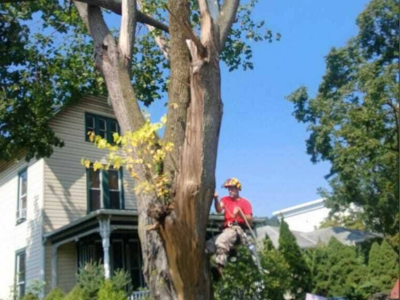
Community involvement plays a central role in property safety. Local businesses hold a unique position to educate homeowners about hazards before they become emergencies. Storm preparedness, routine maintenance, and early detection of tree disease all reduce risk to homes, vehicles, and power lines. Leatherneck Tree Service views this education as part of its role in the community, not an added service. Informed property owners make better decisions, and better decisions protect families and neighborhoods alike.
A locally based provider brings advantages that larger, out-of-area companies cannot match. Local Arborist professionals know the species common to the region, including oaks, maples, and poplars, along with the pests and diseases that threaten them. This knowledge shapes every recommendation the team makes. Storm patterns in western Pennsylvania vary by season, and local experience helps the company anticipate problems rather than react to them. Stronger ties between residents and local businesses tend to produce safer properties over time. Leatherneck Tree Service believes long-term relationships with customers lead to better tree care outcomes and fewer emergencies.
Homeowners, property managers, and residents across Beaver, Butler, and Allegheny Counties can contact the company to learn more about its property safety initiatives. The company offers guidance on storm readiness, tree health assessments, and preventative care. Property owners interested in scheduling a free estimate or asking questions about safety on their property are invited to reach out directly.
About Leatherneck Tree Service
Leatherneck Tree Service is a veteran-owned tree service company based in Rochester, PA. Its qualified arborists bring more than ten years of regional experience to every property they visit. The company remains focused on building long-term relationships with the communities it serves.
Media Contact
Organization: Leatherneck Tree Service
Contact Person: Robert Roche
Website: https://leathernecktreeservice.com/
Email: Send Email
Contact Number: +17244802726
Address:102 Rinard Lane
City: Rochester
State: PA 15074
Country:United States
Release id:48235
The post Leatherneck Tree Service Strengthens Community Ties Through Local Property Safety Initiatives. appeared first on King Newswire. This content is provided by a third-party source.. King Newswire makes no warranties or representations in connection with it. King Newswire is a press release distribution agency and does not endorse or verify the claims made in this release. If you have any complaints or copyright concerns related to this article, please contact the company listed in the ‘Media Contact’ section
About Author
Disclaimer: The views, suggestions, and opinions expressed here are the sole responsibility of the experts. No Digi Observer journalist was involved in the writing and production of this article.
GotaBlanca 500 Proves Effective in Strawberry Field Trial at University of Florida
White Oak Tree Expert Expands Professional Tree Care Services Across Maryland to Meet Growing Demand.
Leatherneck Tree Service Strengthens Community Ties Through Local Property Safety Initiatives.
Benzinga Money Article Discusses How to Become Part of the 12% of Retirees Who Have Achieved the Recommended $550,000 Minimum Retirement Savings Threshold
Apu Apustaja Conquers New York with Lively Street Ads, Including Times Square Billboard
Bay Smokes Maintains Quality Amid Legislative Changes in the Hemp Industry


-
Press Release1 week ago
ForumPay Expands Payment Infrastructure with New Card and Bank Transfer Acceptance Solution
-
Press Release1 week ago
Vincere Portfolios Expands Industry Discussion Around the Gap Between Retail Investing Tools and Institutional Trading Infrastructure
-
Press Release5 days ago
Commercial Plumbing Alabama Highlights Slab Plumbing Services in Birmingham
-
Press Release4 days ago
Kara4Kids Expands Early Childhood Education Across India With Inclusive, Play-Based Learning
-
Press Release1 week ago
Organization Launches Executive Leadership Insights Series Featuring Brent Byng on Turning Strategy Into Measurable Results
-
Press Release5 days ago
Gramercy Networks Announces New Global Ultra-Low Latency Financial Network Connecting Major Trading Hubs
-
Press Release4 days ago
CentFX Set to Welcome Traders at Money Expo India 2026 as Platinum Sponsor at Booth 13
-
Press Release4 days ago
RESIDIA TOWER MEGURO FUDOMAE Highlights Convenient Rental Living in Tokyo