
Press Release
GC LNC Building the Next Generation of Global Financial Connectivity

In today’s increasingly interconnected yet fragmented financial world, GC LNC has emerged as a transformative framework that bridges the gap between global capital and local innovation. Positioned at the crossroads of traditional finance and emerging decentralized economies, GC LNC redefines how institutions, investors, and innovators collaborate across borders.
As the global economy undergoes rapid digitization, capital no longer flows through conventional routes. Instead, it follows data, talent, and innovation. In this paradigm shift, GC LNC provides a new financial architecture — one that blends technological transparency, institutional-grade governance, and borderless accessibility.

1. The Philosophy Behind GC LNC: Connecting Global Vision with Local Power
For decades, global finance has been dominated by large institutions centered in a few key regions — New York, London, Hong Kong. Meanwhile, innovators in Africa, Latin America, and Southeast Asia have struggled to secure fair access to capital despite their creative potential.
GC LNC challenges this imbalance. Through a network of partnerships, digital finance tools, and multi-layered governance, it empowers local enterprises while giving global investors exposure to high-growth markets that were previously inaccessible.
The result is a mutual value loop: global investors achieve diversification, and local innovators receive sustainable funding and mentorship — all under a unified, transparent, and technology-driven structure.
2. The Technological Foundation: Blockchain, AI, and Smart Infrastructure
At the heart of GC LNC lies technology — not as a trend, but as an operational backbone. By leveraging blockchain, GC LNC ensures that every financial transaction, asset movement, and governance decision is recorded transparently and immutably.
Blockchain allows GC LNC to remove the inefficiencies of traditional systems: intermediaries, paperwork delays, and opaque processes. Investors can track their capital in real time, while institutions can verify compliance automatically through on-chain smart contracts.
Furthermore, GC LNC integrates Artificial Intelligence (AI) into its investment ecosystem. Using predictive models, it identifies emerging market trends, risk exposures, and liquidity flows before they manifest. This data-driven approach enables proactive investment management and optimized capital allocation.
Through this hybrid infrastructure, GC LNC positions itself as more than a bridge — it becomes the operating system for the next generation of global finance.
3. Empowering Emerging Economies and Local Innovators
A defining characteristic of GC LNC is its commitment to empowering local ecosystems. The platform recognizes that the world’s most promising innovations often originate in underrepresented markets — regions rich in creativity but limited in access to capital.
GC LNC actively collaborates with local incubators, universities, and venture networks to identify early-stage startups that align with sustainable growth. By providing not just funding, but also mentorship and market access, GC LNC creates long-term partnerships that transcend transactional finance.
In regions such as Southeast Asia, Latin America, and Sub-Saharan Africa, GC LNC-backed projects have introduced innovative models in fintech, renewable energy, AI-driven logistics, and digital identity systems. These ventures are designed not only for profit but also for social and environmental impact — demonstrating that inclusive finance can drive global progress

4. Governance and Transparency: Trust in a Digital Era
In the post-2020 financial landscape, trust has become the most valuable currency. Scandals, data breaches, and unregulated digital markets have made investors wary. GC LNC addresses this challenge by embedding governance and compliance into its digital DNA.
Every stakeholder — from institutional funds to individual participants — can monitor asset performance through transparent dashboards and verifiable reports.
GC LNC also integrates DAO-inspired decision-making, where certain governance actions can be proposed, reviewed, and approved by the community.
This democratic yet structured governance framework ensures two vital outcomes:
Accountability: Every decision is recorded and auditable.
Adaptability: The network evolves based on collective intelligence, not centralized control.
Through this governance design, GC LNC stands apart from both traditional financial institutions (which often lack transparency) and unregulated DeFi platforms (which lack accountability).
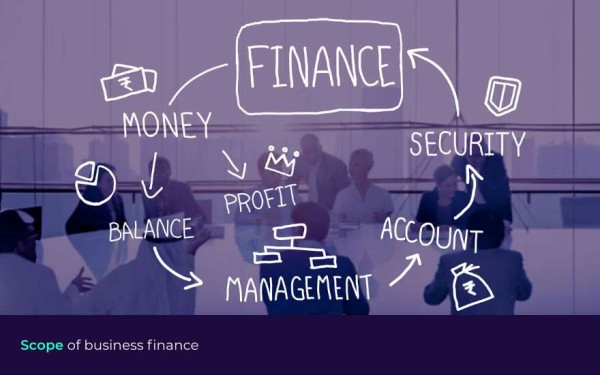
5. Global Partnerships and Institutional Integration
To realize its mission, GC LNC builds partnerships across multiple layers of the financial ecosystem — from venture capital firms and digital asset managers to government agencies and international organizations.
These partnerships enable GC LNC to align with global financial standards while maintaining local flexibility.
For example, collaborations with regulated custodians and compliance providers ensure the platform meets anti-money laundering (AML) and know-your-customer (KYC) requirements.
On the investment side, GC LNC integrates with leading RWA (Real-World Asset) protocols, allowing tokenized access to assets like infrastructure bonds, carbon credits, and intellectual property rights.
This combination of institutional-grade security and blockchain-native accessibility gives GC LNC a unique advantage in the growing Web3 financial ecosystem.
6. A New Model for Global Capital Flow
Traditional finance has long been linear: capital moves from developed markets to developing regions, often through rigid intermediaries. GC LNC proposes a circular model of capital flow, where innovation and investment continuously reinforce each other.
This model creates a sustainable feedback loop:
Global investors gain exposure to frontier technologies.
Local innovators gain funding, tools, and global reach.
Governments and institutions gain visibility and compliance assurance.
As this network matures, GC LNC envisions a borderless capital system — one where financial opportunity is determined not by geography, but by innovation potential.
7. Looking Ahead: The Future Vision of GC LNC
The roadmap for GC LNC extends far beyond financial connectivity. Its long-term vision is to establish a Global Innovation Finance Network (GIFN) — a multi-continent infrastructure that integrates blockchain-based finance, sustainable investment, and digital governance.
By 2030, GC LNC aims to facilitate seamless capital interaction between 50+ countries, unlocking opportunities for millions of innovators and investors worldwide.
In doing so, GC LNC not only transforms financial systems but also redefines how societies measure value — moving from wealth accumulation to wealth distribution through innovation.
Conclusion: A Financial Renaissance Driven by GC LNC
The rise of GC LNC signals more than the evolution of a financial platform — it marks the beginning of a financial renaissance. In a world struggling with inequality, fragmentation, and inefficiency, GC LNC brings forth a model rooted in technology, transparency, and trust.
It invites global investors, entrepreneurs, and policymakers to participate in a shared mission: to make finance borderless, fair, and future-ready.
Through its bold vision, integrated technology, and inclusive approach, GC LNC is not merely adapting to the future — it is building it.
Media Contact
Organization: Global Capital
Contact Person: Jaimes
Website: https://globalcapit.com
Email: Send Email
Country:Spain
Release id:36225
The post GC LNC Building the Next Generation of Global Financial Connectivity appeared first on King Newswire. This content is provided by a third-party source.. King Newswire makes no warranties or representations in connection with it. King Newswire is a press release distribution agency and does not endorse or verify the claims made in this release. If you have any complaints or copyright concerns related to this article, please contact the company listed in the ‘Media Contact’ section
About Author

Disclaimer: The views, suggestions, and opinions expressed here are the sole responsibility of the experts. No Digi Observer journalist was involved in the writing and production of this article.

Vaal Bulk Bags, based in the Vaal region of Gauteng, supports South Africa’s industrial and agricultural sectors with FIBCs and related bulk packaging, including new and refurbished bags. The company focuses on reliable supply, operational safety and growing demand for reusable and recycled bulk packaging within high‑volume material handling environments.
Vereeniging, Gauteng, South Africa, 5th Mar 2026 – Vaal Bulk Bags, a South African manufacturer and supplier of flexible bulk packaging, continues to consolidate its role in the country’s bulk handling and logistics value chain. The company serves a broad base of industrial users that rely on Flexible Intermediate Bulk Containers (FIBCs) and related big bag solutions for the movement and storage of dry, flowable materials across sectors such as agriculture, construction, mining, food production, recycling and waste management.
Operations in the Vaal Region
Operating from the Vaal region in Gauteng, Vaal Bulk Bags has developed its activities around the distribution, refurbishment and supply of new bulk bags tailored to recurring operational needs. The business maintains stocks of popular FIBC sizes and configurations in a warehouse environment set up for immediate dispatch, enabling short lead times for repeat orders and project-driven demand. This approach positions bulk bags as an integral element of day‑to‑day material handling for customers that manage large volumes of inputs and outputs on a continuous basis.
Role of Bulk Bags in South African Industry
Bulk bags, also referred to as FIBCs, have become widely adopted across South African industries that move granular or powdered commodities, ranging from grains and seed to aggregates, fertilizers, plastics and other raw materials. These containers are designed to carry high payloads while remaining relatively lightweight, collapsible when empty and stackable in storage. As a result, they form part of a shift away from rigid packaging formats toward flexible solutions that can be transported, handled and stored with greater efficiency in confined or high‑throughput environments.
Product Configuration and Application Focus
Within this context, Vaal Bulk Bags focuses on supplying industrial users with bags that align with specific handling, safety and product‑quality requirements. Standard and bespoke configurations are used in applications that call for different fill and discharge options, lifting arrangements and liner combinations, depending on product characteristics and the equipment in use at warehouses, silos, processing plants and construction sites. Attention to these practical interfaces allows bulk bags to be integrated into existing conveyor, loading and stacking systems without substantial redesign.
Strategic Location in the Vaal Industrial Corridor
The company’s location in the Vaal industrial corridor provides access to a concentration of manufacturing, processing and logistics operations that depend on reliable flows of packaging. From this base, Vaal Bulk Bags supplies customers across Gauteng and into other regions, with proximity to major transport routes supporting direct deliveries and flexible scheduling. For industries where interruptions in packaging supply can impact production or project timelines, the availability of ready‑to‑ship inventory and short transport routes plays a central role in maintaining operational continuity.
Refurbishment, Recycling and Extended Use
Alongside its focus on new FIBC units, Vaal Bulk Bags has integrated refurbishment and recycled bag options into its offering as part of broader changes in South Africa’s bulk packaging landscape. Reuse and refurbishment of suitable bags have emerged as one mechanism through which businesses attempt to reduce waste sent to landfill while extracting greater utility from each packaging unit. In practice, this model depends on appropriate inspection, sorting and cleaning to determine whether bags remain fit for further use, and on clear guidelines for customers about applications where refurbished units are appropriate.
Environmental Considerations and Circular Material Flows
Environmental considerations are increasingly visible in decisions around bulk packaging, particularly in sectors where large packaging volumes move through distribution networks each year. Bulk bags made from polypropylene can be reused under certain conditions, and, at end of life, materials can be directed to specialist recyclers for reprocessing into secondary products. By supporting the circulation of both new and recycled FIBCs, companies in this segment contribute to evolving conversations about resource efficiency, waste reduction and the role of industrial packaging in South Africa’s transition to more circular material flows.
Safety, Product Integrity and Performance Expectations
The use of bulk bags also intersects with operational safety and product integrity requirements that apply in different industries. In agriculture and food‑related applications, packaging must safeguard contents against contamination and physical damage during handling, storage and transport. In construction, mining and waste management environments, bags are expected to withstand rough handling, variable weather exposure and mechanical loading in line with specified safe working loads. Manufacturers and suppliers of FIBCs operate within this framework of expectations, aligning bag design and quality controls with the demands of these varied operating conditions.
Complementary Products under the Vaal Packaging Brand
In addition to Vaal Bulk Bags’ core focus on FIBCs, related products are supplied under the Vaal Packaging brand, including woven polypropylene bags and other flexible packaging formats used in smaller volume or retail‑linked channels. This combination of bulk and smaller‑format packaging is characteristic of suppliers that aim to cover multiple points along the distribution chain, from upstream bulk movements to downstream repacking, storage and end‑user delivery. It also reflects an environment in which packaging requirements differ significantly between sectors, sites and product types, requiring a range of solutions rather than a single standardised format.
Ongoing Role in South Africa’s Industrial Ecosystem
As South African industries continue to manage cost pressures, environmental expectations and logistics complexity, bulk bags remain embedded in many high‑volume material flows. Their role spans primary production, intermediate processing and finished goods distribution, with packaging decisions often shaped by considerations such as reusability, stackability, compatibility with existing handling equipment and access to local supply. In this setting, companies like Vaal Bulk Bags occupy a supporting position in the broader industrial ecosystem, linking packaging technologies with on‑the‑ground operational requirements in sectors that form part of the country’s economic base.
About Vaal Bulk Bags
Vaal Bulk Bags is a South African manufacturer and supplier of Flexible Intermediate Bulk Containers (FIBCs) and related big bags, based in the Vaal region of Gauteng. The company provides new, refurbished and bespoke bulk bags to sectors including agriculture, construction, mining, food production, recycling, retail, skip and waste management, supported by warehouse facilities configured for immediate dispatch and regional distribution.
Media Contact
Vaal Bulk Bags
Website: https://vaal-bulk-bags.co.za/
Media Contact
Organization: Vaal bulk bags
Contact Person: Roman
Website: https://vaal-bulk-bags.co.za/
Email: Send Email
Contact Number: +27765988308
Address:Factory Road Olive Branch Park
Address 2: Ext. 2 Unit 1 Peacehaven
City: Vereeniging
State: Gauteng
Country:South Africa
Release id:42246
The post Vaal Bulk Bags Strengthens Role in South Africa’s Bulk Packaging Sector appeared first on King Newswire. This content is provided by a third-party source.. King Newswire makes no warranties or representations in connection with it. King Newswire is a press release distribution agency and does not endorse or verify the claims made in this release. If you have any complaints or copyright concerns related to this article, please contact the company listed in the ‘Media Contact’ section
About Author
Disclaimer: The views, suggestions, and opinions expressed here are the sole responsibility of the experts. No Digi Observer journalist was involved in the writing and production of this article.
Event Branding has announced a special offer on its Econo pull-up banner range
Meyerton, Gauteng, South Africa, 5th Mar 2026 – Event Branding has announced a special offer on its Econo pull-up banner range, providing organisations with a cost-efficient way to enhance their visual presence at events, activations, and in-store environments. The offer, structured around a bulk purchase model, is positioned to support businesses and institutions that require multiple branded displays while managing constrained marketing budgets.
Offer overview
Event Branding is making Econo pull-up banners available at a price point of R835.00 excluding VAT per unit, with an additional volume benefit built into the structure of the promotion. For every four banners purchased, a fifth Econo pull-up banner is supplied at no additional banner charge, effectively extending the value of the package for high-usage environments such as exhibitions, trade shows, retail spaces, and corporate events.
The Econo pull-up format is widely used in the South African market as an accessible option for organisations that need branded presence without the higher capital outlay associated with more elaborate display systems. Typical Econo pull-up banner specifications in the local industry include a size of approximately 850 mm in width by 2000 mm in height and a lightweight, portable stand with a carry bag, enabling repeated use across different venues.
Context in the South African branding landscape
In South Africa, pull-up banners form a core component of event and in-store branding, complementing other elements such as gazebos, feather flags, wall backdrops, and counter units. Agencies and print providers across the country have long treated Econo pull-up banners as a standard entry-level solution, particularly for small and medium-sized businesses that require visibility at trade shows, conferences, and community events.
Econo pull-up banners are typically chosen for their balance of print quality, durability, and portability rather than for premium hardware features. Industry offerings in this category generally emphasise a non-curl or lay-flat print material, a compact aluminium base, and a simple pull-up mechanism, allowing marketing teams and event coordinators to deploy them quickly in constrained spaces such as mall walkways, reception areas, and exhibition booths.
Role of Econo pull-up banners in event branding
Pull-up banners play a significant role in creating a coherent visual identity at events, often acting as directional markers, information points, or product-focused highlights. While larger structures such as custom stands and modular exhibition systems help define a stand’s physical footprint, vertical banners serve as repeated brand touchpoints that are visible from multiple angles.
In practice, organisations use Econo pull-up banners to:
- Present brand identity elements such as logos, taglines, and primary colours in a consistent format across multiple locations.
- Highlight specific campaigns, promotions, or product launches in a way that can be updated periodically by reprinting the banner skin while retaining the same category of hardware.
- Provide supporting messaging in spaces where floor area is limited and overhead rigging is either impractical or not allowed by venue regulations.
Because they are compact and freestanding, pull-up banners are often integrated into broader event branding programmes that include custom displays, promotional materials, and experiential activations. This integration allows marketing teams to maintain visual consistency across indoor and outdoor touchpoints while using formats that can be transported and stored between events.
Practical implications of the bulk offer
By structuring the special as “buy four, receive a fifth banner at no additional banner cost,” Event Branding has aligned the offer with typical use cases in which organisations require multiple, thematically linked visuals rather than a single display. Examples include multi-branch retailers needing standardised branding in several outlets, national campaigns rolled out across various activation sites, and corporate events that require repeated messaging in foyers, registration areas, breakaway rooms, and presentation spaces.
The per-unit price point of R835.00 excluding VAT positions the Econo banner option within the lower to mid-range of the South African market for economy pull-up solutions, where similar products often cluster around comparable pricing once print, hardware, and basic finishing are taken into account. In a bulk configuration, the effective cost per unit is reduced further when the fifth banner is factored into the overall package, which can be material for organisations planning multi-site deployments or frequent event participation.
Alignment with broader branding strategies
Event and experiential marketing in South Africa continue to prioritise tangible, in-person brand encounters, even as digital channels expand. Within this environment, portable branding hardware remains a central tool for marketers looking to reinforce their brand message at physical touchpoints such as expos, roadshows, conferences, and community-based activations.
Event-focused branding providers increasingly position their services around complete solutions that bundle design, print, and hardware into integrated packages. In that context, a structured Econo pull-up banner offering such as this one can serve as a foundational component in a broader toolkit that may also include flags, gazebos, counters, backwalls, and floor graphics, all working together to support consistent brand communication in busy event environments.
Industry perspective on economy pull-up systems
Within the signage and print industry, Econo pull-up banners are often seen as a practical starting point for organisations that are building up their physical branding assets over time. They offer an accessible way to test messaging, refine visual identity in live environments, and assess how audiences engage with different layouts and headlines before committing to larger-scale structural investments.
Standard features of Econo pull-up systems typically include:
- A printed graphic panel produced on PVC, PET, or similar lay-flat substrate designed to minimise edge curl and maintain a smooth viewing surface.
- An aluminium base with an integrated roller mechanism that houses and protects the print when retracted.
- A vertical support pole or set of poles and a top clamp bar or rail that secures the banner in its extended position.
- A soft carry bag suited for transport in passenger vehicles and for storage between uses.
These attributes make economy-class pull-up banners particularly relevant for small marketing teams, SMEs, and organisations that do not maintain permanent exhibit infrastructure but still require recurring brand presence at public-facing events.
Significance for organisations planning 2026 events
As organisations plan their 2026 calendars, including trade exhibitions, conferences, product activations, and internal events, portable branding remains a key budget line item. With physical events reasserting their role in relationship-building and brand storytelling, consistent and visible branding at venues has implications for both perception and recall among attendees.
The availability of Econo pull-up banners at R835.00 excluding VAT, with an enhanced value structure on orders of five units, intersects with this planning cycle by allowing marketing, events, and communications teams to expand or refresh their portable display inventory under defined cost parameters. In many cases, such inventory is deployed repeatedly across a year’s programme of activities, including regional roadshows, sponsorship-linked events, and internal corporate engagements.
Positioning within the broader promotional ecosystem
Portable printed displays such as Econo pull-up banners complement digital and social media campaigns by reinforcing visual identity in physical spaces. While online channels capture attention before and after an event, physical branding assets help define the on-site experience, guide foot traffic, and provide visual anchors for photography and content captured at the event itself.
In that ecosystem, Econo pull-up banners function as one of the more agile tools available to brand custodians. They can be updated through new artwork, reallocated from one campaign to another, and positioned flexibly depending on venue layout and event objectives. When acquired in sets, banners with distinct but complementary artwork can be arranged to create narrative sequences, product clusters, or zoned messaging that supports the broader communication strategy at a venue.
Conclusion
Event Branding’s current Econo pull-up banner pricing of R835.00 excluding VAT per unit, combined with a “buy four, receive a fifth banner at no additional banner cost” structure, is aligned with the ongoing role of economy pull-up systems in South Africa’s event and retail branding environment. Within an industry that continues to rely on portable display hardware to support experiential marketing, trade exhibitions, and in-store visibility, this type of structured offer provides organisations with a defined mechanism to expand their pool of reusable branding assets for the 2026 events cycle and beyond.
Media Contact
Organization: Event Branding
Contact Person: Bernie Burness
Website: https://eventbranding.co.za/
Email: Send Email
Contact Number: +27823216520
Address:52 The Avenue
Address 2: henley on klip
City: Meyerton
State: Gauteng
Country:South Africa
Release id:41568
The post Event Branding Launches Budget-Friendly Pull-Up Solutions for 2026 Corporate Events appeared first on King Newswire. This content is provided by a third-party source.. King Newswire makes no warranties or representations in connection with it. King Newswire is a press release distribution agency and does not endorse or verify the claims made in this release. If you have any complaints or copyright concerns related to this article, please contact the company listed in the ‘Media Contact’ section
About Author
Disclaimer: The views, suggestions, and opinions expressed here are the sole responsibility of the experts. No Digi Observer journalist was involved in the writing and production of this article.
Canton, Michigan, 5th March 2026, ZEX PR WIRE — Neel Somani has built his career at the intersection of machine learning, markets, and infrastructure. A seasoned researcher and entrepreneur, he is driven by a singular fascination: how complex systems actually work beneath the surface and how to make them more efficient.
That systems-level thinking began early. At UC Berkeley, Neel pursued an unusually rigorous academic path, juggling triple majors across computer science, mathematics, and business administration. The combination wasn’t accidental. Computer science gave him the tools to build, mathematics gave him the tools to model, and business gave him the lens to understand incentives. Together, they formed the intellectual framework that would define his work.
After Berkeley, Neel Somani joined Citadel’s commodities group, where he focused heavily on power markets, one of the most structurally complex and misunderstood markets in the global economy. Electricity pricing, in particular, reveals how theory and reality often diverge.
Take New York City. Many people assume electricity there should be cheap. Upstate New York benefits from nuclear power and hydropower, including energy from Niagara Falls. Yet New York City operates as its own pricing zone, and transmission capacity between upstate and the city is limited. When those lines reach their physical limit, the city must generate power locally. That typically means natural gas plants, which are more expensive. The constraint isn’t about a lack of energy overall, it’s about infrastructure bottlenecks.
Understanding the types of natural gas generation deepens the story. At a basic level, all gas plants burn fuel to create high-pressure, high-temperature air. That energy can be extracted from pressure alone or from both pressure and heat. Simple cycle gas turbines operate much like jet engines attached to generators. They start quickly but are less efficient. Combined cycle plants, on the other hand, capture waste heat to produce steam that drives a second turbine. They are far more efficient, but slower and more expensive to start. In the winter, when natural gas is diverted to heating homes, some plants switch to oil, a less efficient fuel that can drive prices even higher.
In theory, power markets dispatch the cheapest and most efficient plants first. In practice, operational constraints complicate that ideal. Some units have high startup costs. Others incur costs when shutting down. Certain plants must run for minimum time periods once activated. Wind turbines, for example, may continue operating even when prices turn negative because it is more expensive to stop and restart. These realities, known broadly as unit commitment constraints, mean the grid does not always behave like a clean economic model. Prices reflect physics, engineering, and timing as much as supply and demand.
For Neel Somani, this insight extends beyond energy. It’s about recognizing that real-world systems operate under constraints that models often simplify away. The same principle applies to renewable energy. Solar power is abundant during the day, but demand continues after sunset. Without storage, renewables cannot fully solve the reliability problem. Batteries help, but they are not the only answer. Pumped hydro storage, moving water uphill and releasing it later, and compressed air storage both rely on the same core idea: store energy when it is cheap and release it when it is scarce. Infrastructure determines flexibility.
This systems-driven perspective ultimately shaped Neel’s transition into blockchain infrastructure. He founded Eclipse, a leading-edge Ethereum Layer 2 powered by the Solana Virtual Machine, designed to improve scalability and execution performance. The project drew $50 million in Series A funding and positioned itself at the forefront of modular blockchain architecture. Just as power grids balance generation, transmission, and storage, blockchains must balance execution, consensus, and data availability. In both cases, bottlenecks define outcomes.
Across energy markets and decentralized networks alike, Neel Somani’s work reflects a consistent philosophy: understand the constraints, respect the mechanics, and design systems that operate efficiently within reality, not just theory. Whether analyzing electricity pricing in New York City or building the next generation of blockchain infrastructure, his focus remains the same. Infrastructure is destiny. And those who understand it shape the future.
To leran more visit: https://www.linkedin.com/in/neelsomani/
About Author
Disclaimer: The views, suggestions, and opinions expressed here are the sole responsibility of the experts. No Digi Observer journalist was involved in the writing and production of this article.
Vaal Bulk Bags Strengthens Role in South Africa’s Bulk Packaging Sector
Event Branding Launches Budget-Friendly Pull-Up Solutions for 2026 Corporate Events
Neel Somani on Infrastructure, Energy Markets, and Building the Systems of Tomorrow
Benzinga Money Article Discusses How to Become Part of the 12% of Retirees Who Have Achieved the Recommended $550,000 Minimum Retirement Savings Threshold
Apu Apustaja Conquers New York with Lively Street Ads, Including Times Square Billboard
Bay Smokes Maintains Quality Amid Legislative Changes in the Hemp Industry


-
Press Release6 days ago
SPL VPN Leverages AI to Eliminate Manual Server Selection; Surpasses 2 Million Downloads in Connectivity Pivot
-
Press Release1 week ago
Lake Worth Beach Bail Bonds Services Expanded with County-Focused Release Strategy
-
Press Release5 days ago
Sports Mouthguards for Muskegon Youth – What Families Should Know
-
Press Release1 week ago
Cabinet Paint Color Trends Shape Tampa Bay Kitchens in 2026
-
Press Release1 week ago
4D Heng Leverages AI Technology to Enhance Integrity and Speed of Southeast Asian Lottery Data
-
Press Release5 days ago
LTR Taxis Redefines Reliable Private Travel Across the UK with Customer-First Airport & Long-Distance Taxi Services
-
Press Release6 days ago
ZentoraReach Leads Client Acquisition & Revenue Growth for Contractors
-
Press Release6 days ago
Faith, Family, and Leadership: How Brent Byng Grounds His Approach to Success