
Press Release
Franklin Morgan & Associates Successfully Represented in DIAC Arbitration for $113M Award

New York, NY, 1st August 2025, Franklin Morgan & Associates is proud to announce that in a recent ruling, the Dubai International Arbitration Centre (DIAC) has awarded the firm $113 million in a cross-border commercial dispute. The case created a big stir in the legal community not only because of the scope of the dispute, but also for how it positioned Dubai to the world as a high-value destination for international arbitration.
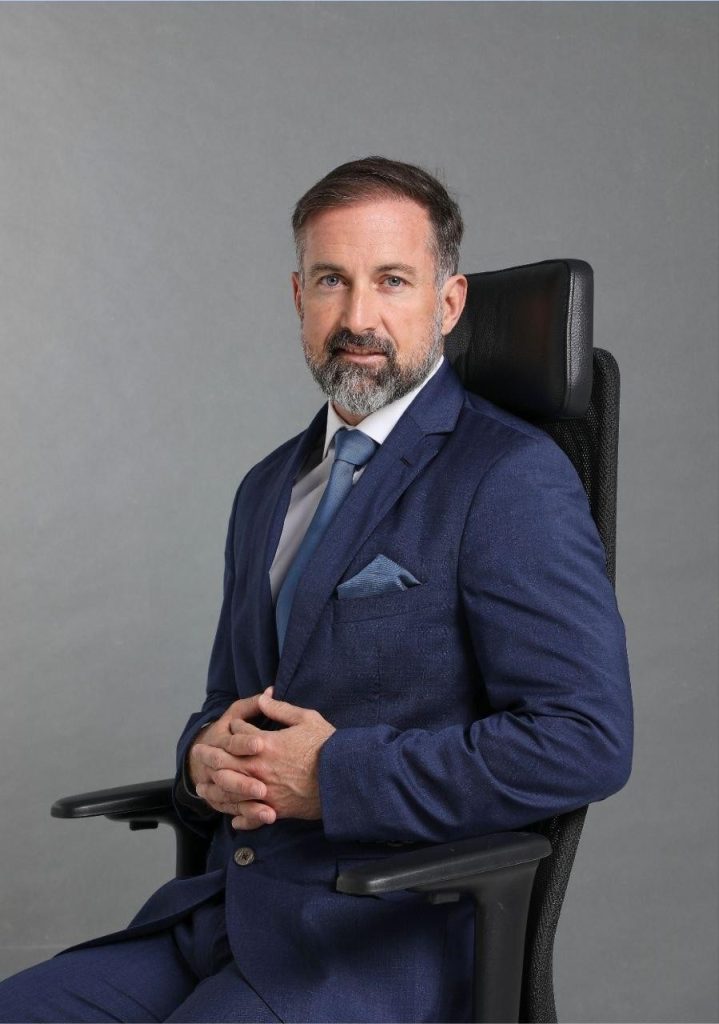
The arbitration was led by Dr. Shaun Gregory Morgan, a professional with expertise in both legal and financial sectors and decades of experience across various jurisdictions. Although all information about the case and the tribunal decision are protected under DIAC protocol, insiders have confirmed that multiple regulatory and legal frameworks were involved in the case. The process was long and exhaustive, and the tribunal only reached its conclusion after extended arguments from both parties discussing complex matters such as contract enforcement, commercial liabilities, and cross-jurisdictional compliance.
Why is this arbitration such a big deal?
To understand the importance of this ruling, we first need to understand the stature of the institution offering it. The Dubai International Arbitration Centre, aka DIAC, was established in 1994 for resolving complex conflicts in the commercial space, mainly in the Middle East and broader international markets. Backed by the Dubai government, it is trusted by a major section of multinational corporations, governments, and global investors for neutral, efficient, and enforceable arbitration services. Cases that land at DIAC are often complex, cross-jurisdictional, and high-stakes; both financially and reputation-wise.
So, when the DIAC tribunal presents an award of $113 million for a high-profile case, along with the legal victory, it also signifies an appreciation for the intelligence of strategy, integrity of case-handling, and the ability to manage complex disputes. Indeed, most arbitration decisions stay private, but when large sums are involved, they can highlight wider trends in how international disputes are being handled. Legal experts say the size of the award and the proficiency of the process for the case in question could influence how future cross-border disputes are managed in the Gulf region.
Details of the Case
Although DIAC has overseen several sizable settlements in the past, this particular ruling is amongst the largest in its history, capturing the attention of many. There were extensive contractual arrangements involved in the dispute that the legal team had to go through a number of different regulatory channels to get interpreted. The specifics of the dispute have not been publicly disclosed, in line with DIAC’s confidentiality standards. Nevertheless, insider sources have confirmed that it involved multiple claims from several parties, financial transactions across different legal systems across borders, and complicated contracts that required long and detailed arbitration proceedings. The $113 million award reportedly took months of reviewing evidence and back-and-forth legal arguments in front of a panel.
“This was no easy contract dispute. For the regulatory issues alone, it crossed three jurisdictions. We needed to go deep into financial instrumentations and their treatment under international commercial law just to scratch the surface of the matter”, said Dr. Shaun Gregory Morgan, the lead representative for the case. He added that the biggest challenge was aligning the contractual requirements with different local rules and compliance standards.
It is to be noted however that Dr. Morgan and his team’s ability to combine financial expertise with regulatory insight played a key role in shaping the case’s outcome. This also points out how disputes are becoming more interdisciplinary now and, therefore, so are the requirements for their resolutions.
DIAC’s Growing Role in Global Arbitration
Once viewed primarily as a regional forum, the Dubai International Arbitration Centre has increasingly been operating at a much more intercontinental level. The shift is evident not only in terms of the cross-border disputes it administers, but also in the evolving legal frameworks it applies. With ongoing reforms, updated procedural rules, and growing participation from international counsel, DIAC appears to be moving toward a much greater global relevance.
In addition, this $113 million case resolved in the forum now also serves as a benchmark to illustrate the neutrality of the DIAC platform and its enforceability for resolving high-stakes commercial disputes. It is already prompting many businesses, particularly those in Asia, Africa, and the Gulf, to reassess their approach to international contracts. Experts believe that the ruling will influence the structure of all future contracts, especially for companies operating across the region.
The case’s sheer scale, multifaceted nature, and the sizable award have turned it into a huge topic of discussion among all arbitration forums and legal think tanks. So far, no appeals or follow-up proceedings have been reported to be filed. Till now, the award stands uncontested as well. However, legal professionals, investors, and arbitration bodies worldwide are keeping a close watch on the award details and how it may influence subsequent enforcement actions and contract standards across sectors.
Media Details
Name- Franklin Morgan Law P.A
Email- law@franklinmorganlaw.com
Phone- +1-212 202 8535
Website- franklinmorganlaw.com
Address- Level 27, 152 West 57th Street, New York NY 10021
About Author

Disclaimer: The views, suggestions, and opinions expressed here are the sole responsibility of the experts. No Digi Observer journalist was involved in the writing and production of this article.

Press Release
Gabriel Malkin Florida Completes 120-Mile Camino Walk with Focus, Patience, and Preparation
Florida, US, 30th January 2026, ZEX PR WIRE, Most students don’t spend the start of summer walking across northern Spain. Gabriel Malkin did. In June 2025, the Florida high school graduate completed a 120-mile stretch of the Camino de Santiago, one of the world’s oldest pilgrimage routes. It wasn’t a last-minute idea. It was a goal he had planned for, trained for, and quietly worked toward for months.
This wasn’t about adventure or social media. For Gabriel, it was about setting a physical goal and showing up for it every day.
“I didn’t want to wing it,” he said. “It was important to take it seriously.”
Gabriel’s prep started long before his flight to Europe. He built up mileage slowly, starting with short daily walks in South Florida. As the months went on, he added distance, tested gear, and paid attention to recovery. Blisters, sore muscles, and weather were all part of the process. So was building patience.
“The Camino isn’t just hard because it’s long,” Gabriel said. “It’s hard because you have to get up and do it again every day. Even when you’re tired. Even when nothing hurts and you feel fine—you still have to walk.”
The daily rhythm became its own challenge. Mornings often started before sunrise, with quiet stretches of trail through farmland, hills, and towns. Gabriel carried a small pack with essentials. Water, snacks, extra socks. No Wi-Fi. No schedule beyond the day’s distance. Just a clear goal and a few hours of steady effort.
That focus and consistency mirrors how Gabriel approaches most things. Whether he’s in class, on the tennis court, or working on saxophone tone, he tends to favor structure and repetition over shortcuts. It’s not about perfection. It’s about showing up, improving slowly, and staying with it.
“I’ve never been the fastest or the strongest at anything,” he said. “But I like knowing I’m getting better, even if it’s slow.”
Gabriel grew up in South Florida and attended Virginia Shuman Young Elementary, Pine Crest in Fort Lauderdale, and NSU University School in Davie. He played tennis, baseball, and football through different stages of school. He also spent time hiking local trails and practicing saxophone, two interests he says helped him train for the Camino more than people might expect.
“Hiking helped with endurance, obviously,” he said. “But playing music teaches you a lot about repetition and listening to your body. You learn when to push and when to pause.”
For Gabriel, the Camino wasn’t a performance or a competition. It was a quiet personal test. He kept notes during the walk, not for a blog, but to track how each day felt. When he crossed the finish line in Santiago, there was no big moment. Just a quiet sense of completion.
Now back home, Gabriel hasn’t stopped walking. He’s back to local trails, early mornings, and training logs. He’s also thinking about what comes next—college, travel, more endurance goals—but isn’t rushing anything.
“There’s no rush,” he said. “The Camino reminded me that showing up every day matters more than trying to get somewhere fast.”
Gabriel Malkin Florida continues to build habits rooted in preparation, consistency, and follow-through. Whether through athletics, academics, or music, his focus remains steady: stay curious, stay active, and finish what you start.
About Author
Disclaimer: The views, suggestions, and opinions expressed here are the sole responsibility of the experts. No Digi Observer journalist was involved in the writing and production of this article.
-
Jon DiPietra, a New York–based real estate valuation executive, explains why common beliefs about space and value often miss the mark.
New York, US, 30th January 2026, ZEX PR WIRE, New York City is full of opinions about real estate. Many of them are repeated so often they start to feel true. But according to Jon DiPietra, decades of hands-on valuation work tell a different story.
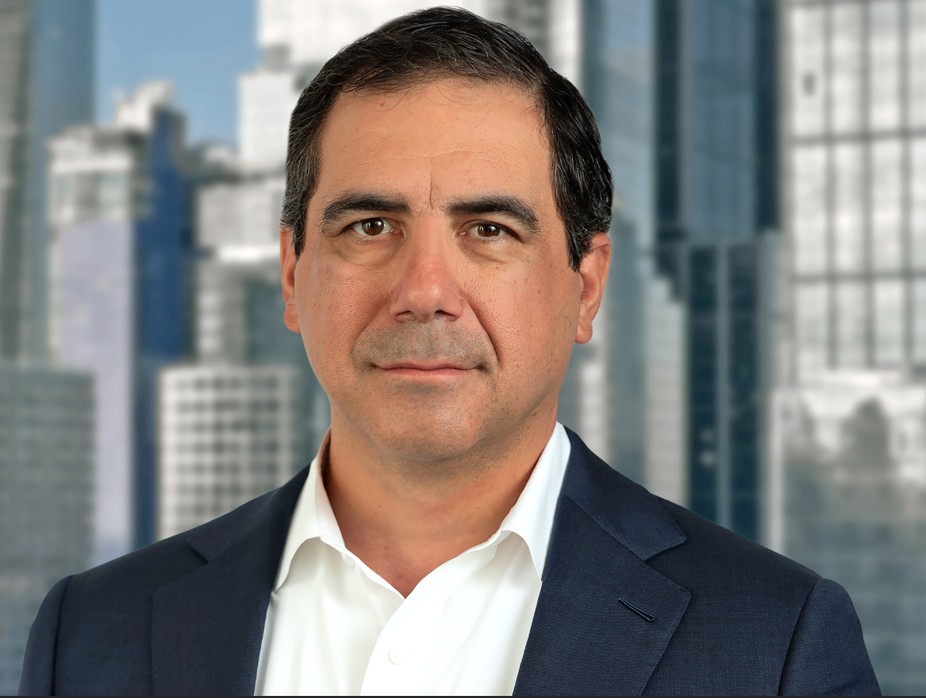
“You learn things you cannot see in a report,” DiPietra says. “That’s where most of these myths fall apart.”
Below are five common myths that mislead everyday people across dense urban markets, why they persist, and what actually matters instead.
Myth 1: Bigger Space Always Means Better Value
Why people believe it:
Square footage is easy to compare. Listings highlight size first, so people assume more space equals more value.
The reality:
In dense cities, efficiency matters more than size. Studies show poorly used space can reduce productivity by up to 30 percent, even when square footage increases.
As DiPietra puts it, “The goal is not to produce the highest number. The goal is to produce something that makes sense in the real world.”
Try this today:
Identify one underused area in your home or office and repurpose it for a single clear function.
Myth 2: National Data Tells You Everything You Need to Know
Why people believe it:
Online tools and national reports feel authoritative and precise.
The reality:
Real estate is hyper-local. In New York, conditions can change block by block. National averages often lag reality by months.
“Real estate is ultimately driven by people, not formulas,” DiPietra says.
Try this today:
Walk your block at different times of day. Notice noise, foot traffic, and how spaces are actually used.
Myth 3: If a Space Worked Before, It Should Still Work Now
Why people believe it:
People resist change and assume layouts age well.
The reality:
How we live and work has shifted fast. Surveys show nearly 60 percent of people say their space no longer supports how they work today.
“Clear thinking matters more than being busy,” DiPietra notes.
Try this today:
Ask one simple question: What do I actually do here every day? Adjust one thing to support that reality.
Myth 4: More Information Leads to Better Decisions
Why people believe it:
Data feels safe. More feels smarter.
The reality:
Too much information can slow decisions and increase stress. Research links information overload to poorer judgment.
DiPietra says, “More data does not always lead to better decisions.”
Try this today:
Limit yourself to three criteria when evaluating a space or decision. Ignore the rest.
Myth 5: You Need a Major Renovation to Fix a Space
Why people believe it:
Media and social platforms spotlight dramatic transformations.
The reality:
Small changes often have outsized impact. Lighting, noise reduction, and decluttering consistently rank among the highest-return improvements.
“Sometimes the simplest changes create the most lasting value,” DiPietra says.
Try this today:
Improve lighting where you spend the most time. It is one of the fastest ways to change how a space feels.
If You Only Remember One Thing
Spaces influence behavior more than most people realize. When a space creates friction, it is often a design problem, not a personal one.
Understanding how space actually functions is more valuable than following assumptions or averages.
Call to Action
Share this myth list with someone who lives or works in a dense city. Pick one practical tip above and try it today. Small changes, applied intentionally, add up.
About Jon DiPietra
Jon DiPietra is a New York–based commercial real estate valuation executive and cofounder of H&T Appraisal, the valuation group of Horvath & Tremblay. With more than 20 years of experience, he has worked across residential, commercial, mixed-use, and special-use properties, focusing on how real people actually use space.
About Author
Disclaimer: The views, suggestions, and opinions expressed here are the sole responsibility of the experts. No Digi Observer journalist was involved in the writing and production of this article.
Press Release
Roger Haenke Connects Healthcare and Faith in a Career Centered on Presence and Support
San Diego, California, 30th January 2026, ZEX PR WIRE, Roger Haenke has spent his career at the intersection of healthcare and faith. As a registered nurse and ordained priest, his work has placed him in moments where people are vulnerable, uncertain, and often searching for support. Whether in hospitals, churches, clinics, or classrooms, Roger Haenke has built a reputation for being present, steady, and quietly dependable.
Roger Haenke began his career in parish ministry after completing his theological education and ordination. He served churches across North Dakota, offering pastoral care, teaching, and leadership. Much of his early work focused on being there for others during personal transitions—illness, loss, change, and growth. These experiences helped shape how Roger Haenke would later approach leadership in every other part of his life.
After leaving active ministry, Roger Haenke returned to school and earned a nursing degree. He started at the bedside and quickly moved into leadership roles. His healthcare career took him through specialty clinics, hospital departments, and community-based health systems. He managed staff, trained nurses, developed new services, and helped improve patient care across several states. At every step, Roger Haenke kept his focus on people and the systems that support them.
The connection between healthcare and ministry was always clear to Roger Haenke. He saw how much both fields depend on trust, communication, and the ability to remain calm when things are hard. He brought this understanding into every room he entered—whether leading a care team, sitting with a patient, or offering support to staff under pressure.
Later, Roger Haenke joined the faculty at San Diego State University. He taught nursing leadership, financial management, and professional development. His students learned not only the structure of healthcare systems, but also how to show up for others with clarity and respect. Roger Haenke’s teaching reflected what he had lived: strong systems matter, but presence and consistency matter just as much.
In his later ministry roles, Roger Haenke continued to offer steady leadership to congregations in the San Diego area. He worked with teams, guided transitions, and focused on inclusion, listening, and shared responsibility. His approach was thoughtful, balanced, and always grounded in care for others.
Now, Roger Haenke is entering a new chapter. He is no longer working in formal institutional roles, but he continues to serve the San Diego community in smaller, more flexible ways. Whether volunteering, mentoring, or simply showing up when needed, Roger Haenke remains committed to steady, meaningful work rooted in the same values he has carried all along.
For Roger Haenke, leadership has never been about attention or titles. It has always been about being present when it counts.
About Author
Disclaimer: The views, suggestions, and opinions expressed here are the sole responsibility of the experts. No Digi Observer journalist was involved in the writing and production of this article.
Gabriel Malkin Florida Completes 120-Mile Camino Walk with Focus, Patience, and Preparation
Jon DiPietra Debunks 5 Real Estate Myths That Mislead New Yorkers
Roger Haenke Connects Healthcare and Faith in a Career Centered on Presence and Support
Benzinga Money Article Discusses How to Become Part of the 12% of Retirees Who Have Achieved the Recommended $550,000 Minimum Retirement Savings Threshold
Apu Apustaja Conquers New York with Lively Street Ads, Including Times Square Billboard
Bay Smokes Maintains Quality Amid Legislative Changes in the Hemp Industry


-
Press Release6 days ago
Knybel Network Launches Focused Growth Campaign to Help Southeast Michigan Buyers and Homeowners Win in a Competitive Housing Market
-
Press Release1 week ago
Highly Recommended by GoodNight New York: Zeagoo Patterned Shirt Becomes the Focal Point of Early Spring Outfits
-
Press Release6 days ago
New Findings Reveal a Hidden Indoor Air Quality Crisis Linked to Aging HVAC Systems and Fiberglass Ductwork Across South Florida
-
Press Release6 days ago
Stockity Arrives in Indonesia, Bringing Global Markets Closer to Local Traders
-
Press Release6 days ago
Karviva Selected to Meet with Costco Wholesale Southern California Merchants at Upcoming Local Summit
-
Press Release6 days ago
GOD55 Sports Announced as Gold Partner and Official Sports Media Partner for WPC Malaysia Series 2025-26
-
Press Release6 days ago
Rankiteo Opens Global Tender for Cyber Insurers: Exclusive Access to 5 million Enterprise Profiles and the Future of Cyber Insurance Distribution
-
Press Release6 days ago
Inside Bengaluru’s New Urban Escape: How Casasaga Is Redefining City Staycations