
Press Release
European Scientologists 2025 Civic Action and Relentless Social Impact in over 27 countries

Throughout 2025, reports published by Scientology Europe documented a broad range of community-focused initiatives carried out by Scientologists and Scientology-linked volunteer groups. Spanning dozens of localities across Western, Central, Eastern and Northern Europe, the year’s reporting highlights sustained engagement in public-interest priorities, including drug-prevention education, human-rights awareness, ethical and civic action, and volunteer-led community support, as well as selected global humanitarian developments followed by European audiences.
Year-end overview brings together dozens of local actions and public events—from Brussels and Vienna to Milan, Prague and Geneva—linked to long-running prevention, education and volunteer programmes.
European Scientologists’ 2025 Civic Year: Drug Education, Human-Rights Literacy and Community Service Across the Continent

BRUSSELS, Belgium — 31 December 2025 — Across Europe, the Church of Scientology civic actions maintains a continent-wide presence through more than 140 churches, missions, and affiliated groups in at least 27 European nations, alongside thousands of community-based social betterment and reform initiatives. Supported by a central European hub in Brussels serving European institutions and international organizations, this 2025 year-in-review brings together the initiatives reported throughout the year—reflecting an organized, values-driven commitment to strengthening communities, promoting human dignity, and supporting civic responsibility through practical, local action.
Throughout 2025, reports published by Scientology Europe documented a broad range of community-focused initiatives carried out by Scientologists and Scientology-linked volunteer groups. Spanning dozens of localities across Western, Central, Eastern and Northern Europe, the year’s reporting highlights sustained engagement in public-interest priorities, including drug-prevention education, human-rights awareness, ethical and civic action, and volunteer-led community support, as well as selected global humanitarian developments followed by European audiences.
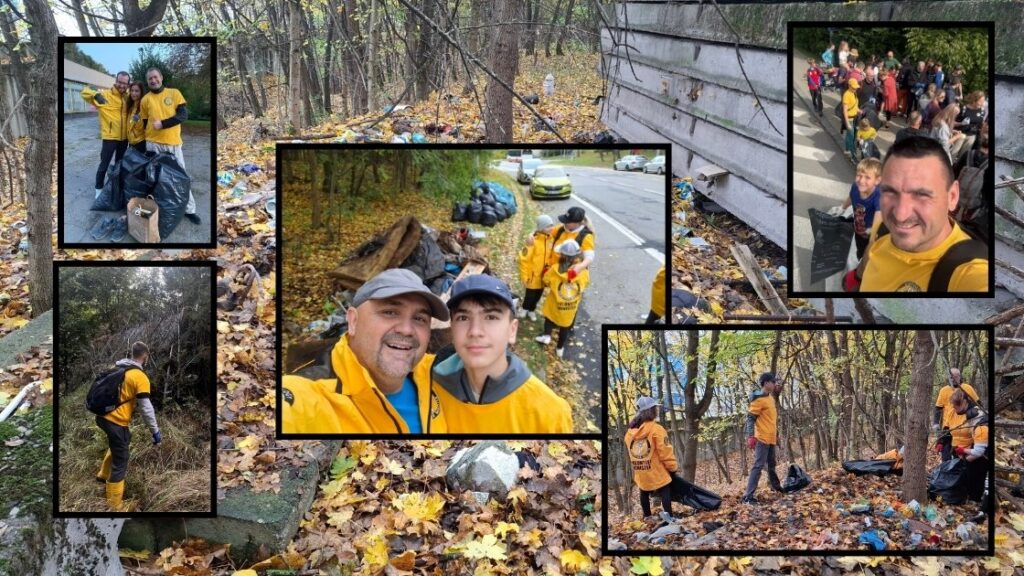
Many of the initiatives described during the year draw on long-established educational and humanitarian programmes supported by Scientologists. These include Truth About Drugs materials distributed by the Foundation for a Drug-Free World; Youth for Human Rights educational resources based on the Universal Declaration of Human Rights; the Scientology Volunteer Ministers programme, which provides training and tools for addressing everyday and emergency challenges; and The Way to Happiness, a non-religious moral code authored by Scientology founder L. Ron Hubbard, presented as a 21-precept guide used in community and civic settings. Together, these programmes form the practical framework through which local initiatives are organised and delivered.
A year anchored in European civic life
The year opened in Belgium with coverage marking institutional milestones in Brussels, where an anniversary event commemorated five decades of Scientology’s presence in the capital of Europe and fifteen years at Boulevard de Waterloo. The gathering brought together representatives of other faiths and civil-society actors, with Ivan Arjona-Pelado, Scientology’s representative to the European Union institutions and the United Nations, reflecting on the organisation’s history in Belgium and its public-facing social initiatives.
Early-year reporting also recognised volunteer work in Central Europe, highlighted international awareness campaigns addressing human trafficking, and provided a broader institutional overview of Scientology’s global activities entering 2025. Together, these initial reports set the tone for a year focused on continuity, public engagement and structured civic contribution.
Religious freedom, human-rights advocacy and public presence
As the year progressed, reporting reflected sustained engagement with questions of religious freedom, human rights and public participation. Coverage included Scientology’s involvement in international discussions on freedom of belief, the opening of new community facilities in Central Europe designed to serve as local hubs, and advocacy initiatives addressing human rights in the field of mental health through the work of the Citizens Commission on Human Rights.
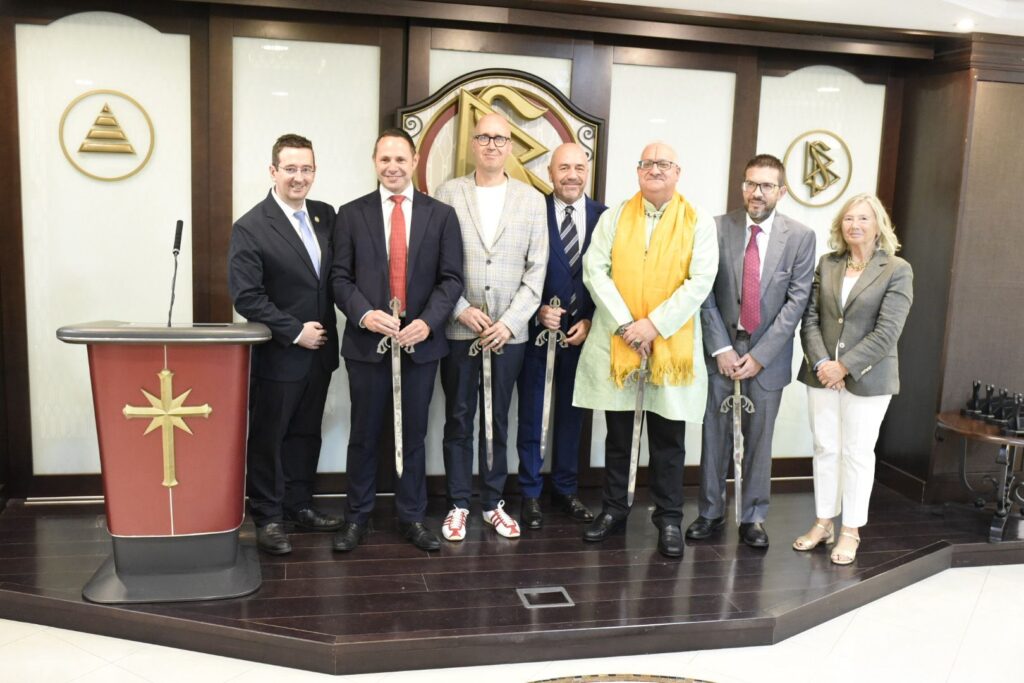
Additional reports during this period underscored growing public interest and long-term presence in several European countries, alongside charitable and volunteer activities addressing social needs, including Sweden’s recognition milestone and community-facing engagement in Denmark. A commemorative feature marking the birthday of Scientology founder L. Ron Hubbard situated these activities within the historical context of the movement’s humanitarian emphasis.
Prevention and education as sustained priorities
Drug-prevention outreach and youth education formed one of the most consistent strands of activity throughout 2025. From spring onward, reports described grassroots initiatives engaging young people, parents and educators, including local prevention outreach in Denmark, as well as coordinated national efforts in several countries such as France. These activities ranged from neighbourhood-level distribution of educational materials to larger public campaigns and community events, reflecting a sustained focus on early prevention and informed decision-making.
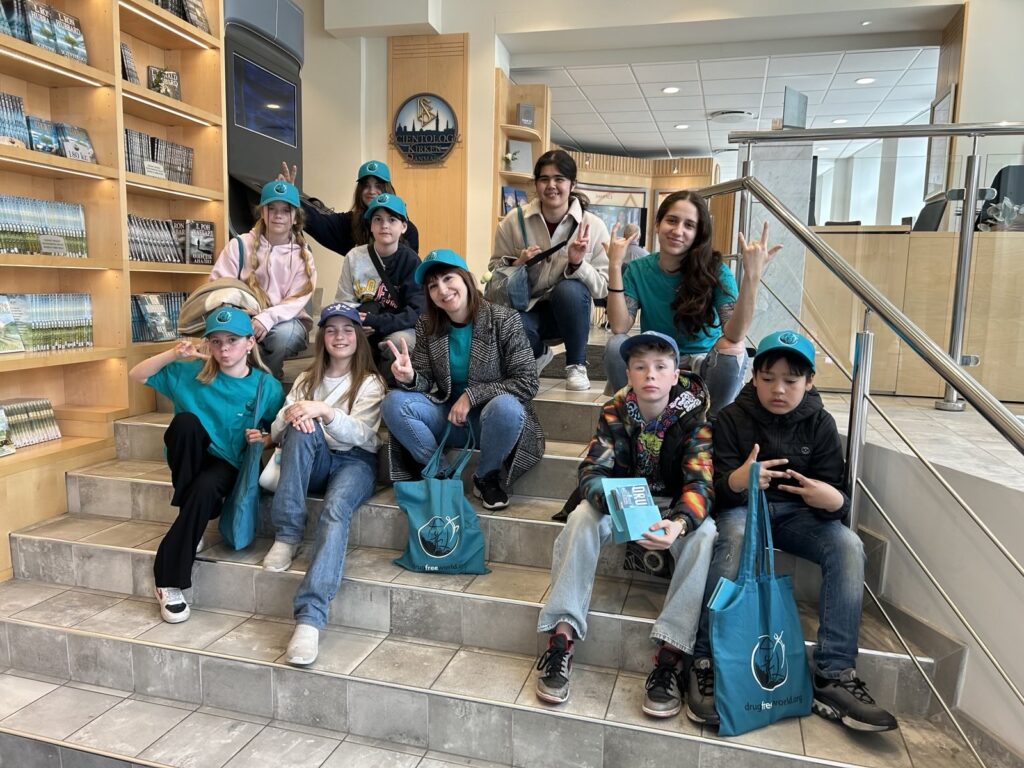
Public-space outreach at cultural and sporting events complemented this work, including Brussels-based engagement at public festivals. The year concluded with further reports of street-level prevention initiatives in major European cities, including work in Vienna, illustrating how prevention education continued as an active priority through the final months of the year.
Civic action, ethics and volunteer service in public spaces
Alongside prevention and education, visible community service remained a central feature of the year’s activities. Reports documented coordinated volunteer actions across multiple cities, including multi-city civic initiatives in the Czech Republic, addressing practical needs such as neighbourhood improvement, environmental stewardship and community assistance.
Particular attention was given to initiatives led by Volunteer Ministers and groups distributing The Way to Happiness in public spaces, highlighting ethical guidance and civic responsibility as tools for strengthening public spaces and local cooperation. Activities in Southern and Central Europe, as well as cross-border efforts, illustrated how these initiatives were adapted to local contexts while remaining aligned with shared principles, including Swiss civic action and community events in Lugano.
Human-rights education and international dialogue
Human-rights education constituted a third pillar of the year’s reporting, with recurring references to the Universal Declaration of Human Rights as an educational foundation.
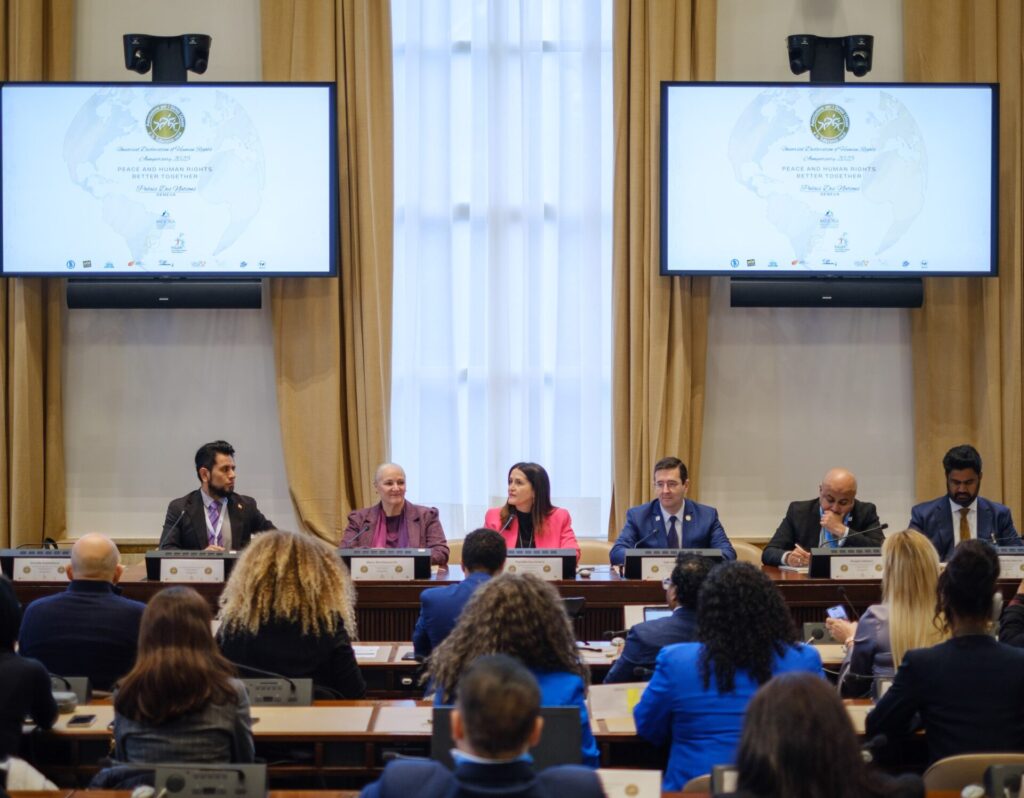
Local events across Europe focused on bringing human-rights principles into schools, associations and community forums, including a continent-wide focus on UDHR education, while international coverage from Geneva connected grassroots education with broader institutional dialogue around Human Rights Day.
Related reporting also addressed freedom of belief and coexistence, including recognition of voices for religious freedom, as well as public reflections on the role of belief in contemporary European societies, including commentary on Pope Leo XIV’s October prayer.
Community life, interfaith moments and international perspectives
Beyond structured programmes, 2025 coverage reflected the everyday community life of Scientologists across Europe. Reports highlighted interfaith greetings and cultural celebrations, seasonal events, national anniversaries and local ceremonies, including a Spain-focused milestone marking 45 years of Scientology’s presence, illustrating how community engagement extended beyond formal initiatives.

Additional features introduced European audiences to international humanitarian stories and media profiles, including Isabelle Vladoiu’s human-rights profile, Voices for Humanity with Catalina Maldonado, a literacy campaign featured on Voices for Humanity, and a Netherlands-based foundation training youth on media and human rights, underscoring the global dimension of the movement’s social outreach.
In a statement prepared for this year-end overview, Ivan Arjona-Pelado, Scientology’s representative to the European Union, the OSCE, the Council of Europe and the United Nations, said:
“Across Europe, trust in our communities is built through practical responsibility—helping neighbours, maintaining dignified public spaces, sharing factual prevention education, and ensuring young people understand their rights. These are civic values Europeans recognise, and they are strengthened when citizens act consistently and locally.”
Taken together, the actions documented throughout 2025 demonstrate a clear and continuous contribution by European Scientologists and Scientology-linked volunteers to public-interest priorities, including prevention, education, human rights and community resilience. Rooted in the humanitarian principles articulated by Scientology founder L. Ron Hubbard and aligned with European values of responsibility and solidarity, these initiatives reflect a sustained commitment to strengthening social cohesion, safeguarding human dignity and supporting constructive civic engagement across the continent.
The Church of Scientology, its churches, missions, groups and members are present throughout the European continent. Scientology is a contemporary religion founded by L. Ron Hubbard, and its members support a range of community initiatives focused on education, prevention and community betterment. Scientology’s European public-affairs work includes engagement with civil society, international organisations and public institutions, and its recognition as a charitable and bona fide religion continues to grow in a number of jurisdictions.
Media Contact
Organization: European Office Church of Scientology for Public Affairs and Human Rights
Contact Person: Ivan Arjona
Website: https://www.scientologyeurope.org
Email: Send Email
Address:Boulevard de Waterloo 103
City: Brussels
State: Brussels
Country:Belgium
Release id:39752
The post European Scientologists 2025 Civic Action and Relentless Social Impact in over 27 countries appeared first on King Newswire. This content is provided by a third-party source.. King Newswire makes no warranties or representations in connection with it. King Newswire is a press release distribution agency and does not endorse or verify the claims made in this release. If you have any complaints or copyright concerns related to this article, please contact the company listed in the ‘Media Contact’ section
About Author

Disclaimer: The views, suggestions, and opinions expressed here are the sole responsibility of the experts. No Digi Observer journalist was involved in the writing and production of this article.

Dubai, UAE, 26th July 2026, ZEX PR WIRE, CLT Academy has announced the launch of two new trading education programs in Dubai, covering Indian Markets and Crypto Trading. The new programs are designed to help students understand the Indian stock market and the growing digital asset space, while adding two new areas of study to the academy’s existing Forex trading program.
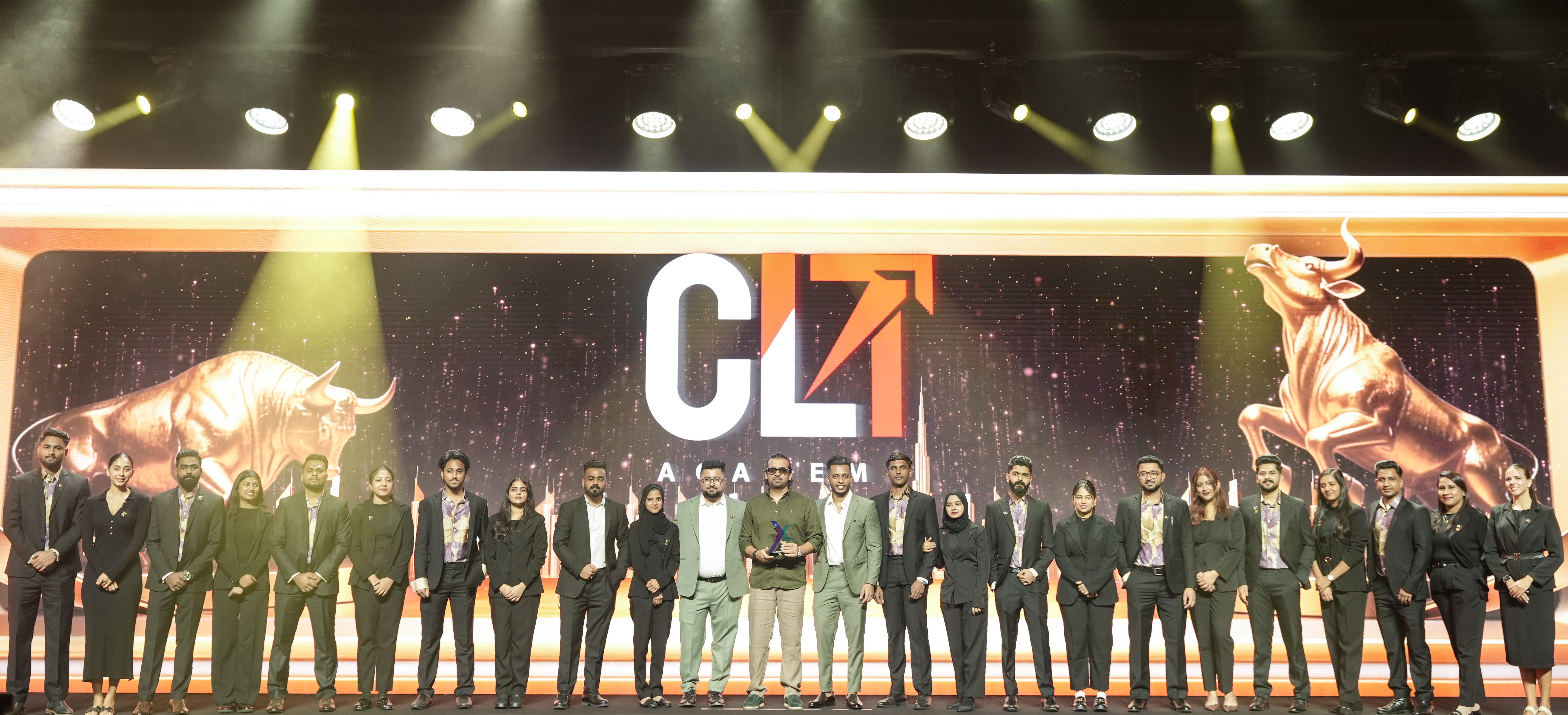
The launch builds on CLT Academy’s five-plus years in the trading education industry. The KHDA-approved academy has trained over 3,000 students and recorded an 82% course pass rate. The figures reflect the academy’s continued focus on structured trading education and its work with learners looking to build practical knowledge of financial markets.
The Indian Markets program has been introduced with a particular focus on traders who want to understand India’s financial markets in greater depth. The program provides students with a structured approach to understanding Indian market instruments and developing a broader perspective on how the country’s financial markets operate.
The second addition is the Crypto Trading program, which focuses on helping students understand the fundamentals and practical aspects of digital asset markets. The program introduces learners to the characteristics of crypto markets and the key principles involved in approaching this rapidly evolving asset class through a structured trading education environment.
Alongside the new programs, CLT Academy continues to offer its established range of structured trading education programs. Its existing course pathway includes Trade Craft for beginners, Profit Matrix for intermediate learners, Market Code for advanced traders, and CLT Vantage for those seeking expert-level trading education. Together, these programs provide learners with a structured progression through different stages of trading knowledge and development, with an emphasis on practical market understanding, trading psychology, discipline, and risk management.
The academy’s broader course offering reflects the growing interest among traders in understanding multiple financial markets. While Forex, Indian markets, and crypto operate differently, they share fundamental aspects of trading, including the importance of market analysis, risk management, and disciplined decision-making. The addition of the Indian Markets Trading Program and Crypto Trading Program expands the range of markets that students can explore alongside the academy’s existing educational pathway.
“Markets change. Opportunities shift from Forex to equities to crypto overnight. The only edge that survives is the one you build through learning. We’re not just adding two programs — we’re giving traders the range to move wherever opportunity goes. Diversify your knowledge, and you diversify your future.”
-Aqib Lapia, CEO, CLT Academy
The addition of the two programs marks a new phase in CLT Academy’s course offering in Dubai. With Indian Markets and Crypto Trading joining its existing Forex program, the academy now provides learners with opportunities to explore different financial markets while developing an understanding of the principles that influence trading across asset classes.
About CLT Academy
CLT Academy is a KHDA-approved trading education academy based in Dubai. With more than five years in the trading education industry, the academy has trained over 3,000 students and recorded an 82% course pass rate. CLT Academy provides structured education in financial markets, with a focus on practical market knowledge, trading psychology, discipline, and risk management.The academy has been recognized as the Best Forex Academy in the MENA Region in 2025.
For more information about the new programs and enrollment details, visit clt-academy.com
About Author
Disclaimer: The views, suggestions, and opinions expressed here are the sole responsibility of the experts. No Digi Observer journalist was involved in the writing and production of this article.
Stephen Cheatham, a Florida-based structural engineer and independent consultant, explains why the buildings that fail in storms are usually the result of risks people chose to ignore.
The Problem Hiding in Plain Sight
Florida, USA, Jul 26, 2026, ZEX PR WIRE, A developer called Stephen Cheatham three weeks before hurricane season with plans to retrofit a beachfront property. The building had survived two decades of storms, but recent inspections revealed corrosion in critical structural connections. The owner wanted a quick fix to get tenants back in before peak rental season.
Cheatham walked the site and reviewed the original plans. The problems were not sudden. They were predictable. Salt exposure, inadequate protective coatings, and deferred maintenance had created exactly the kind of vulnerability that shows up when wind speeds exceed 100 miles per hour.
Instead of a cosmetic repair, Cheatham recommended a phased reinforcement plan that addressed underlying weaknesses. The owner balked at the timeline. Cheatham held firm. Six months later, the building weathered a Category 3 hurricane with minimal damage while neighboring structures sustained costly failures.
“Most failures are not surprises,” Cheatham says. “They’re the result of things people chose to ignore.”
The Short-Term Trap
Cheatham spent nearly a decade working with coastal development firms in Florida before launching his independent consulting practice in 2010. During that time, he watched a pattern repeat itself: pressure to move projects quickly, decisions driven by immediate costs, and long-term risks treated as unlikely scenarios.
“There’s always pressure to move fast,” he explains. “But the environment doesn’t care about deadlines.”
He saw buildings designed to meet minimum code requirements without accounting for site-specific conditions. He saw materials selected for cost savings that would degrade faster in salt air. He saw maintenance plans that looked adequate on paper but were never executed.
“I started seeing how easy it was for people to focus on what needed to happen today without thinking enough about what might happen years from now,” Cheatham recalls.
That realization shaped his decision to transition into independent work. He wanted to spend more time on projects that aligned with his values, helping clients make decisions that would hold up over decades rather than quarters.
How Things Actually Hold Up
Cheatham’s approach is rooted in a principle he has carried since childhood: understanding how things work means understanding what happens when they are put to the test.
Growing up in northern Florida, he spent time taking apart small engines, helping neighbors with repairs, and observing how storms affected buildings in his area. He was always curious about why some structures lasted and others did not.
“I learned more by doing than by being told,” he says.
That hands-on curiosity evolved into a career focused on durability and resilience. As a structural engineer, Cheatham evaluates not just whether a building meets code, but whether it can withstand the specific environmental forces it will face over 20 or 30 years.
“It’s one thing to build something,” he notes. “It’s another thing to understand what that structure will face over the next twenty or thirty years.”
His work involves analyzing wind loads, flood risk, soil conditions, material performance in coastal climates, and maintenance realities. He helps property owners and developers see the difference between what looks sufficient and what will actually hold up.
“I’ve always been more interested in how things hold up than how they look,” Cheatham says.
Copy This Framework: Five Phases to Build for the Long Term
Cheatham’s methodology for assessing and improving structural resilience can be applied by property owners, investors, and developers working in storm-prone regions. Here are the five phases he follows:
Phase 1: Understand Your Exposure Identify the specific environmental forces your structure will face. This includes wind speed zones, flood elevation requirements, soil type, proximity to salt water, and historical storm data for your location. Do not rely solely on generalized code minimums. Study what has actually happened in your area.
Phase 2: Evaluate Current Condition Conduct a thorough structural assessment that goes beyond surface-level inspections. Look for signs of corrosion, material degradation, connection integrity, and drainage issues. Hire an independent engineer who is not tied to a contractor or vendor. Get an honest baseline.
Phase 3: Map the Vulnerabilities Prioritize risks based on likelihood and consequence. Identify which components are most critical to structural integrity and which are most susceptible to failure. Focus on connections, fasteners, roof-to-wall attachments, foundation anchoring, and protective coatings in salt environments.
Phase 4: Plan for Realistic Maintenance Design a maintenance schedule that accounts for actual resource availability, not ideal scenarios. If a protective coating requires reapplication every three years, build that into your operating budget and calendar. Most failures happen because planned maintenance never occurs.
Phase 5: Build in Margins Design and retrofit with buffers that account for uncertainty. Use materials rated above minimum requirements. Oversize critical connections. Account for changing environmental conditions. The goal is not perfection but resilience when conditions exceed expectations.
Quick Wins: Start Here This Week
-
Request a copy of your property’s original structural drawings and review them with a licensed engineer.
-
Walk your property after the next rainstorm to observe drainage patterns and identify standing water.
-
Photograph all visible connections, fasteners, and metal components for a baseline condition record.
-
Schedule an independent structural assessment before the next storm season.
-
Review your insurance policy to confirm coverage aligns with actual replacement cost and current flood maps.
Red Flags: Warning Signs You Cannot Ignore
-
Rust stains or corrosion visible on structural metal components.
-
Cracks in foundation walls or slabs that have widened over time.
-
Doors or windows that no longer close properly, indicating settlement or movement.
-
Water intrusion or staining in attics, crawl spaces, or around roof connections.
-
Missing or damaged fasteners on roof sheathing or wall panels.
-
Previous repairs that addressed symptoms but not underlying causes.
-
Maintenance plans that exist on paper but have not been executed in years.
Apply This Framework to Your Own Situation This Week
If you own or manage property in a storm-prone region, the time to assess your risk is not after a hurricane warning is issued. It is now.
Start by identifying one critical system in your building and evaluate it using the five-phase framework. Roof connections are a good starting point. So are foundation anchors. Pick one, assess it honestly, and take action based on what you find.
“It’s not just about putting something up,” Cheatham says. “It’s about asking what it will face over time.”
The structures that survive are the ones built by people who asked that question early and answered it honestly.
About Stephen Cheatham
Stephen Cheatham is a structural engineer and independent consulting professional based in Florida. He specializes in coastal resilience, risk assessment, and structural evaluation for property owners, investors, and developers. After working with coastal development firms for nearly a decade, he launched his independent practice in 2010. His work focuses on helping clients understand long-term risk and build structures that endure in storm-prone environments. He holds a degree in structural engineering and is a licensed Professional Engineer in Florida.
About Author
Disclaimer: The views, suggestions, and opinions expressed here are the sole responsibility of the experts. No Digi Observer journalist was involved in the writing and production of this article.
United States, 26th Jul 2026, – BUENOS AIRES, Argentina, July 2026 – Biomaser, a global manufacturer of professional permanent makeup (PMU) and tattoo equipment, has strengthened its strategic partnership with LatinLook, an Argentine beauty-industry company specializing in eyelashes, eyebrows, and micropigmentation. The partners marked the collaboration at a professional summit in Buenos Aires attended by more than 700 beauty professionals, over 70 national and international speakers, distributors, educators, and industry leaders.
Supporting Professional PMU Education and Development
With a presence in more than 70 countries, Biomaser is expanding its commitment to Argentina’s professional beauty community through new technologies, specialized education, and professional experiences. The summit created space for conferences, live demonstrations, and networking focused on innovation, education, and business development.
The event reflected the partners’ shared focus on helping professionals access education, technology, and development opportunities as Argentina’s PMU and beauty market continues to grow.

A Strategic Partnership for the Argentine Market
Biomaser has selected LatinLook as its strategic partner and exclusive distributor in Argentina. LatinLook brings more than 50 years of family history in the beauty industry and represents more than 13 international brands from Korea, China, Russia, Poland, the United Kingdom, the United States, and Brazil.
Co-founded by Solange Madariaga and Matías Schoj, LatinLook supports beauty professionals with products, education, and development opportunities across eyelashes, eyebrows, and micropigmentation.
“We believe that Argentine professionals deserve access to the best technology, the best education, and the best opportunities for growth. Our alliance with Biomaser allows us to continue bringing world-class innovation and raising industry standards in our country.”
— Solange Madariaga and Matías Schoj, Co-Founders of LatinLook
“LatinLook’s deep understanding of the Argentine market and the solid professional community they have built make them a fundamental strategic partner for Biomaser. We share the vision of driving the industry’s development through innovation, education, and long-term cooperation.”
— Josh Zeng, Head of Global Branding at Biomaser

About Biomaser
Biomaser develops professional permanent makeup equipment and tattoo technology for the global beauty community. With a presence in more than 70 countries, the company focuses on technological innovation, specialized education, and professional experiences for PMU and tattoo practitioners worldwide.
Its range includes professional PMU machines, cartridges, pigments, and PMU machine kits.

About LatinLook
LatinLook is an Argentine company specializing in eyelashes, eyebrows, and micropigmentation. Co-founded by Solange Madariaga and Matías Schoj, the company connects international beauty brands with the Latin American professional community through products, education, and development opportunities.

Media Contacts
Biomaser – Media and Global Partnerships
- Contact: Josh Zeng, Head of Global Branding
- Email: josh@biomasertattoo.com
- Website: biomasertattoo.com
LatinLook – LATAM and Argentina Inquiries
- Contact: Matías Schoj, Co-Founder
- Email: cramadariaga@gmail.com
- Website: neichaoficial.com.ar
Media Contact
Organization: Hunan Biomaser Technology Co., Ltd.
Contact
Person: Media Relations
Website:
https://biomasertattoo.com/
Email:
service@biomasertattoo.com
Contact Number: 8613808414296
Country:United States
The post
Biomaser and LatinLook Strengthen PMU Partnership in Argentina appeared first on
Brand News 24.
It is provided by a third-party content
provider. Brand News 24 makes no
warranties or representations in connection with it.
About Author
Disclaimer: The views, suggestions, and opinions expressed here are the sole responsibility of the experts. No Digi Observer journalist was involved in the writing and production of this article.
CLT Academy Launches Indian Markets and Crypto Programs in Dubai
Stephen Cheatham: Why Most Structural Failures Are Not Surprises
Biomaser and LatinLook Strengthen PMU Partnership in Argentina
Benzinga Money Article Discusses How to Become Part of the 12% of Retirees Who Have Achieved the Recommended $550,000 Minimum Retirement Savings Threshold
Apu Apustaja Conquers New York with Lively Street Ads, Including Times Square Billboard
Bay Smokes Maintains Quality Amid Legislative Changes in the Hemp Industry


-
Press Release6 days ago
Samruk-Kazyna and Huawei Discuss AI Infrastructure Development in Kazakhstan
-
Press Release2 days ago
Post Oak Group Advises on Successful Sale of Philadelphia-Based Computer Solutions Business to Search Fund-Backed Acquirer
-
Press Release6 days ago
Kazakhstan and China to Establish a Smart Transportation Corridor
-
Press Release6 days ago
Viriora Integrates Conversational AI Into Its Platform, Giving Clients Scenario Analysis and Risk Modelling
-
Press Release2 days ago
Harborstone Point Advisors Expands Revenue Cycle Management and Financial Advisory Services for Behavioral Health Organizations
-
Press Release6 days ago
GLOBAL MEDIA PROCUREMENT: THE 500-YEAR YIXING ZISHA TEAPOTS PARADIGM
-
Press Release6 days ago
Cosmo Tech expands into Middle East with Dubai branch serving MENA and South Asia
-
Press Release1 day ago
All Thingz Electric Expands EV Charger Installation Services Across South Orange County to Meet Growing Demand