
Press Release
Dubai Hosted the Fourth Asgardia Executive Congress – Synergy for Humanity’s Cosmic Future

Dubai, UAE, 5th November 2025, Asgardia, the world’s first digital space nation, held its Fourth Asgardia Executive Congress in Dubai on 30 October 2025, followed by a press conference at The Duke Hotel.
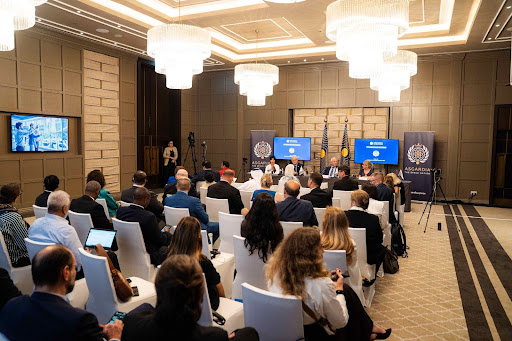
The event gathered international dignitaries, members of Asgardia’s Parliament, scientists, and media representatives, uniting under the theme “Synergy for Humanity’s Cosmic Future.”
The presentation of the AES concept—a next-generation terrestrial analog of a space station—was met with enthusiastic applause, projecting a future where innovation, science, and sustainability converge in the UAE. The press conference featured Dr. Igor Ashurbeyli, Head of Nation of Asgardia, Lena De Winne, Prime Minister of Asgardia, and Lembit Öpik, Chairman of Parliament of Asgardia.
This landmark event underscored the UAE’s pivotal role in advancing the Dubai Economic Agenda D33, which aims to double the emirate’s economy over the next decade and solidify Dubai’s position among the world’s leading hubs for innovation, trade, and investment. The Fourth Asgardia Executive Congress fostered unprecedented opportunities for collaboration with UAE universities, startups, and space organizations, driving both terrestrial and extraterrestrial initiatives.
Founded in 2016 by scientist and philanthropist Dr. Igor Ashurbeyli, Asgardia united over one million citizens from nearly 200 countries, forming a unique digital democracy with three independent branches of governance. The Legislative Branch comprised a non-partisan Parliament of 150 members representing 49 nations. The Executive Branch, led by the Prime Minister, oversaw 12 ministries. The Judicial Branch, headed by the Supreme Justice, encompassed constitutional, civil, administrative, and criminal departments.
“Asgardia is dedicated to preserving human civilization, wherever it may venture,” said Dr. Igor Ashurbeyli, Head of Nation. “Our Fourth Asgardia Executive Congress in Dubai not only reflected our progress toward this vision but also aligned with the UAE’s ambitions, where innovation is the cornerstone of economic and technological advancement.”

Key Themes of the Congress:
1. Asgardia’s Terrestrial Ark in the UAE
Central to Asgardia’s mission of enabling the birth of the first human child in space, the nation pursued a four-phase roadmap: Terrestrial Ark, Near-Earth Ark, Lunar Ark, and Stellar Ark. The Terrestrial Ark advanced through international isolation experiments, SIRIUS-21 and SIRIUS-23, the latter involving an Asgardian participant who endured 366 days of isolation. At the Congress, Asgardia unveiled the structure and capabilities of its state-of-the-art terrestrial complex in the UAE, integrated with the Dubai Economic Agenda D33—marking a significant milestone in its cosmic aspirations.
Asgardia Emirates Station (AES): The Terrestrial Ark of the Future
The Asgardia Emirates Station (AES) will represent the next evolution of Asgardia’s Terrestrial Ark — a ground-based experimental complex designed to simulate long- duration habitation for international mixed-gender crews under Earth, lunar, or interplanetary conditions.
Core Objectives:
- It develops infrastructure to study gravitational physiology, space biomedicine, and radiation safety.
- It enables research on closed life-support systems and human adaptation in isolation environments.
- It serves as a UAE-based Research, Education, and Public Outreach Center for near and deep space exploration.
- It creates a Technology Transfer Hub to integrate space technologies into healthcare and industry, while applying advanced terrestrial solutions to ensure crew safety.
“The Asgardia Emirates Station is humanity’s rehearsal for life beyond Earth,” said Dr Igor Ashurbeyli, Head of Nation, Asgardia. “Our collaboration with the UAE reflects shared values where progress, innovation, and imagination shape the future of civilization.”
“AES is more than an engineering project it’s a bridge between science and society,” added Lena De Winne, Prime Minister of Asgardia. “We’re inviting nations, investors, and universities to participate in a mission that redefines what’s possible on and beyond our planet.”
Complex Composition:
The Asgardia Emirates Station (AES) will include a nodal integration module, living and utility quarters, medical and technical modules, and specialized target modules — such as a greenhouse, perinatal center, biomedical and microbiological
laboratories, centrifuge systems for artificial gravity, and radiation simulation units.
Designed with adaptability and AI-assisted operation, AES will enable continuous research, maintenance, and modernization without interrupting experiments. Its modular architecture will support public engagement, tourism, and education, making it a distinct landmark within the framework of the Dubai Economic Agenda D33.
Thus, AES will bridge Asgardia’s cosmic vision with the UAE’s terrestrial innovation, symbolizing humanity’s first step toward sustainable life beyond Earth.
2. Asgardia’s Digital Ecosystem
For the first time, the Congress introduced Asgardia’s groundbreaking digital platform, available for download on Google Play and Apple’s App Store. Far more than a standard app, this system represents a comprehensive digital ecosystem, integrating a messenger, social network, digital wallet, and government services.
This super-app has become the central hub for Asgardia’s targeted 150 million citizens, redefining the concept of a digital society and strengthening Asgardia’s status as the world’s first digital space nation with a fully integrated infrastructure.
During the Congress, the application was presented to international media, who were given an in-depth overview of its key features and functionality. Head of Nation elaborated on how the digital ecosystem connects citizens around the world, providing seamless access to next-generation communication, governance, and financial tools.
3. Declaration of Sovereignty
In August 2024, during the XII session of Asgardia’s Supreme Space Council on the Greek island of Corfu, the nation adopted and signed its Declaration of Independence.
This historic document, in accordance with international law, unilaterally proclaimed Asgardia’s full state sovereignty—encompassing independent governance, jurisdiction, legislation, and international relations.
At the Congress, the Head of Nation announced that Asgardia would formally appeal to the 193 United Nations member states for recognition as a sovereign nation, marking a pivotal moment in its journey.
4. Claiming Terrestrial Territory
In a groundbreaking announcement, Asgardia asserted for the first time its rights to a physical territory on Earth during the press conference at the conclusion of the Congress.
This declaration revealed that Asgardia’s claimed territory is located in Marie Byrd Land, Antarctica — one of the few unclaimed regions on the planet under the Antarctic Treaty System.
This strategic and symbolic choice reinforces Asgardia’s unique status not only in the digital realm but also in the physical world, representing humanity’s peaceful presence on Earth’s final frontier.
This exclusive statement was a highlight of the Congress and was revealed to the global public for the first time.
Aligned with the UAE’s Vision for Innovation
Hosting the Asgardia Congress in Dubai reflects the UAE’s growing role as a global hub for innovation, trade, and space exploration, in line with Dubai’s Economic Agenda D33 and the UAE Space Strategy 2030.
About Asgardia
Asgardia, established in 2016 by Dr. Igor Ashurbeyli, is the world’s first digital space nation, dedicated to enabling the birth of the first human child in space—a cornerstone for humanity’s eternal existence in the cosmos. Uniting individuals beyond geopolitics, borders, religions, and languages, Asgardia’s Constitution, ratified through a global referendum, establishes a democratic governance model with a functioning Parliament, Government, and Judiciary. Over one million people worldwide have already become Asgardians.
About Dr. Igor Ashurbeyli
Dr. Igor Ashurbeyli, a distinguished scientist, entrepreneur, and philanthropist, is the founder and Head of the Nation of Asgardia. His life’s work is devoted to advancing science, aerospace technologies, and creating a platform for humanity’s safe existence beyond Earth.

For media inquiries, please contact:
christina.daumann@asgardia.space — Christina Daumann, Asgardia.space Editor-in- Chief
About Author

Disclaimer: The views, suggestions, and opinions expressed here are the sole responsibility of the experts. No Digi Observer journalist was involved in the writing and production of this article.

United States, 18th Mar 2026, – Ahead of World Sleep Day, attention is once again turning to the importance of healthy sleep and comfortable living environments. While many people focus on routines, the physical sleep environment remains one of the most practical ways to improve everyday rest. As a trusted home textile brand serving customers across North America, HIG Bedding continues to help families create visually appealing and relaxing bedrooms through its lineup of practical, thoughtfully designed, and budget-friendly bedding products.

“Home Is Gorgeous, We Make It Better”
Creating a relaxing bedroom does not require dramatic lifestyle changes or a massive budget. HIG has extensive experience in designing, producing, and exporting home textile products for customers around the globe. The brand believes that home is not only a resting place but also reflects an attitude towards life.
With a focus on bringing style and comfort into everyday living, HIG offers distinctive yet classic styles at a wide range of accessible price points. This makes it easy for every household to enjoy a comfortable and well-coordinated bedroom space without overspending. 

Distinctive Bedding Designed for Real Homes
Many consumers find that affordable bedding on the market often looks generic, making it difficult to create a bedroom with unique character. HIG’s design approach solves this by focusing on tactile details like textured fabrics, embroidery, and soft color palettes that bring personality into everyday spaces.
Beyond aesthetics, HIG’s product lineup is developed specifically to address common household needs:
- All-Season Down Alternative Comforters: Designed for diverse climates, these lightweight and breathable comforters provide balanced warmth in winter and comfort in summer, reducing the need for storing multiple bulky comforters throughout the year.
- Machine-Washable Durability: Made with durable brushed polyester fabric, the bedding is easy to maintain, making it ideal for busy families, pet owners, and short-term rental properties.
- Certified Safety: Selected comforters are made with materials certified under OEKO-TEX Standard 100, ensuring fabric safety and providing additional reassurance for consumers.
- Coordinated Home Decor: To complete the look, HIG also offers complementary items such as layered decorative curtains and textured decorative pillow covers, making room coordination simple and affordable.
Reliable Delivery and Everyday Comfort
As a trusted seller with years of experience across major US platforms, HIG understands the importance of reliable service. With local fulfillment supporting customers across North America, the brand ensures both consistent product quality and efficient delivery.
Accessible Comfort with Everyday Savings
To ensure that upgrading your sleep space is always accessible, HIG provides an everyday discount for its customers. Shoppers can enjoy 10% off sitewide by using the promo code HIGHOME10 at checkout on any day of the year.
Explore HIG’s classic collection of farmhouse comforter sets, all-season bedding, and distinctive home decor at the official HIG website, and find the perfect upgrade for your everyday comfort. 
About HIG Bedding
HIG is a global home textile brand specializing in bedding and home decor products designed for modern households. With extensive experience in designing and supplying home textile products, HIG (along with its family of brands including Homechoice Decor, Bedream, and Bednlinens) provides comforter sets and solutions that combine distinctive design with practical functionality and affordability.
For more information, visit higbedding.com.
Media Contact
Organization: HOMECHOICE INTERNATIONAL GROUP INC.
Contact
Person: Media Relations
Website:
https://higbedding.com/
Email:
higbedding@gmail.com
Contact Number: 18337761088
Country:United States
The post
World Sleep Day: HIG Bedding Highlights Affordable Everyday Comfort appeared first on
Brand News 24.
It is provided by a third-party content
provider. Brand News 24 makes no
warranties or representations in connection with it.
About Author
Disclaimer: The views, suggestions, and opinions expressed here are the sole responsibility of the experts. No Digi Observer journalist was involved in the writing and production of this article.
United States, 18th Mar 2026, – Ahead of World Sleep Day, attention is once again turning to the importance of healthy sleep and comfortable living environments. While many people focus on routines, the physical sleep environment remains one of the most practical ways to improve everyday rest. As a trusted home textile brand serving customers across North America, HIG Bedding continues to help families create visually appealing and relaxing bedrooms through its lineup of practical, thoughtfully designed, and budget-friendly bedding products.
“Home Is Gorgeous, We Make It Better”
Creating a relaxing bedroom does not require dramatic lifestyle changes or a massive budget. HIG has extensive experience in designing, producing, and exporting home textile products for customers around the globe. The brand believes that home is not only a resting place but also reflects an attitude towards life.
With a focus on bringing style and comfort into everyday living, HIG offers distinctive yet classic styles at a wide range of accessible price points. This makes it easy for every household to enjoy a comfortable and well-coordinated bedroom space without overspending.
Distinctive Bedding Designed for Real Homes
Many consumers find that affordable bedding on the market often looks generic, making it difficult to create a bedroom with unique character. HIG’s design approach solves this by focusing on tactile details like textured fabrics, embroidery, and soft color palettes that bring personality into everyday spaces.
Beyond aesthetics, HIG’s product lineup is developed specifically to address common household needs:
- All-Season Down Alternative Comforters: Designed for diverse climates, these lightweight and breathable comforters provide balanced warmth in winter and comfort in summer, reducing the need for storing multiple bulky comforters throughout the year.
- Machine-Washable Durability: Made with durable brushed polyester fabric, the bedding is easy to maintain, making it ideal for busy families, pet owners, and short-term rental properties.
- Certified Safety: Selected comforters are made with materials certified under OEKO-TEX Standard 100, ensuring fabric safety and providing additional reassurance for consumers.
- Coordinated Home Decor: To complete the look, HIG also offers complementary items such as layered decorative curtains and textured decorative pillow covers, making room coordination simple and affordable.
Reliable Delivery and Everyday Comfort
As a trusted seller with years of experience across major US platforms, HIG understands the importance of reliable service. With local fulfillment supporting customers across North America, the brand ensures both consistent product quality and efficient delivery.
Accessible Comfort with Everyday Savings
To ensure that upgrading your sleep space is always accessible, HIG provides an everyday discount for its customers. Shoppers can enjoy 10% off sitewide by using the promo code HIGHOME10 at checkout on any day of the year.
Explore HIG’s classic collection of farmhouse comforter sets, all-season bedding, and distinctive home decor at the official HIG website, and find the perfect upgrade for your everyday comfort.
About HIG Bedding
HIG is a global home textile brand specializing in bedding and home decor products designed for modern households. With extensive experience in designing and supplying home textile products, HIG (along with its family of brands including Homechoice Decor, Bedream, and Bednlinens) provides comforter sets and solutions that combine distinctive design with practical functionality and affordability.
For more information, visit higbedding.com.
Media Contact
Organization: HOMECHOICE INTERNATIONAL GROUP INC.
Contact
Person: Media Relations
Website:
https://higbedding.com/
Email:
higbedding@gmail.com
Contact Number: 18337761088
Country:United States
The post
World Sleep Day: HIG Bedding Highlights Affordable Everyday Comfort appeared first on
Brand News 24.
It is provided by a third-party content
provider. Brand News 24 makes no
warranties or representations in connection with it.
About Author
Disclaimer: The views, suggestions, and opinions expressed here are the sole responsibility of the experts. No Digi Observer journalist was involved in the writing and production of this article.
Press Release
NGTeco Reimagines Workforce Management for SMBs: Professional Biometrics Without the Enterprise Price Tag
United States, 18th Mar 2026, – While large corporations have long enjoyed the benefits of high-end biometric security, many small business owners are still stuck choosing between outdated paper logs or expensive, contract-heavy software. NGTeco is changing that narrative. Today, the company reaffirms its commitment to providing 100,000+ small businesses worldwide with the tools they need to manage their teams—minus the complexity and hidden costs.
Bridging the Gap for the Modern Shop Owner
For a local retail store or a busy clinic, every minute counts. NGTeco’s “Sophisticated Simplicity” philosophy focuses on creating an ecosystem where technology supports the business owner, rather than becoming another task to manage. By replacing manual punch card systems with Cloud Time Clock TC1 terminals, NGTeco helps managers reclaim their time and eliminate the constant headaches associated with manual payroll processing.
Reliable Technology Built for Real-World Workplaces
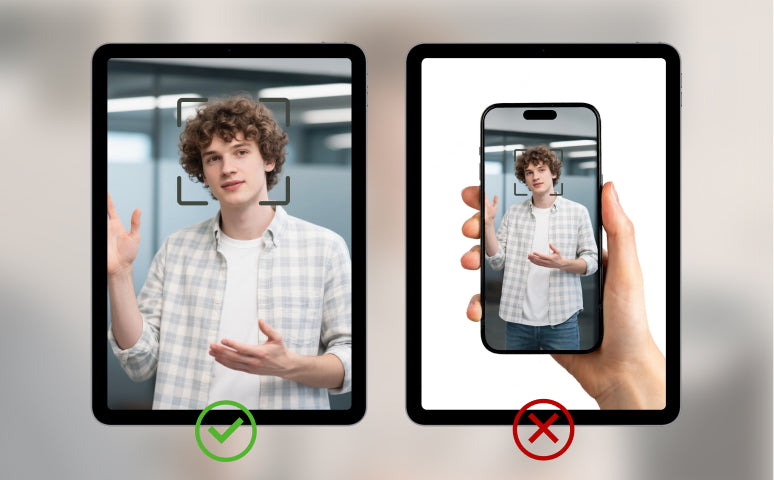
At the heart of NGTeco’s success is its industry-vetted Visible Light Facial Recognition series. These aren’t just gadgets; they are workhorses built for busy, high-traffic environments. Using advanced algorithms, the systems recognize employees in under a second—with flagship models clocking in at an impressive 0.3s. This technology is optimized to perform in diverse lighting and even while staff are wearing masks, ensuring a fast, hands-free “walk-through” experience that keeps the morning rush moving smoothly.
Enterprise-Grade Security Without the Monthly Bill
Data privacy is a top priority in 2026, and it shouldn’t be a luxury. NGTeco hosts its infrastructure on Amazon Web Services (AWS), protecting employee records with the same encryption standards (TLS 1.2 and AES 256-bit) used by global financial institutions.
However, what truly sets NGTeco apart in a crowded market is its stance on transparency. “We believe you should own your hardware and your data,” says a spokesperson for NGTeco. Unlike competitors who lock essential features behind a paywall, NGTeco maintains a no-mandatory-subscription model. Business owners get lifetime access to core features, including automatic hour calculation and mobile reporting via the NGTeco Office App, right out of the box.
A Specialized Vision for the Future
As NGTeco grows its footprint in North America, its focus remains narrow and deep: mastering the “Attendance” niche. By choosing to do one thing exceptionally well, NGTeco is helping a new generation of entrepreneurs build more resilient, tech-forward businesses.
For more details on how to simplify your team’s attendance, visit www.ngteco.com.
About NGTeco
Founded in the United States, NGTeco leverages nearly two decades of biometric technology experience to serve small and medium-sized businesses. Since 2018, the company has specialized in smart office solutions, combining its TC Series time clocks with the NGTeco Cloud platform to streamline workforce management.
Media Contact
Organization: NGTECO
Contact
Person: Media Relations
Website:
https://ngteco.com/
Email:
ngtime@ngteco.com
Contact Number: 17708002321
Country:United States
The post
NGTeco Reimagines Workforce Management for SMBs: Professional Biometrics Without the Enterprise Price Tag appeared first on
Brand News 24.
It is provided by a third-party content
provider. Brand News 24 makes no
warranties or representations in connection with it.
About Author
Disclaimer: The views, suggestions, and opinions expressed here are the sole responsibility of the experts. No Digi Observer journalist was involved in the writing and production of this article.
World Sleep Day: HIG Bedding Highlights Affordable Everyday Comfort
World Sleep Day: HIG Bedding Highlights Affordable Everyday Comfort
NGTeco Reimagines Workforce Management for SMBs: Professional Biometrics Without the Enterprise Price Tag
Benzinga Money Article Discusses How to Become Part of the 12% of Retirees Who Have Achieved the Recommended $550,000 Minimum Retirement Savings Threshold
Apu Apustaja Conquers New York with Lively Street Ads, Including Times Square Billboard
Bay Smokes Maintains Quality Amid Legislative Changes in the Hemp Industry


-
Press Release1 week ago
Post Oak Group Expands Its Capital Markets Practice Into European Markets
-
Press Release5 days ago
ForexBrokers.Live: Simplifying MT4 and MT5 for Forex Traders
-
Press Release7 days ago
Brian Hagerty Brings Proven Service Industry Leadership and Operational Expertise to Next Chapter
-
Press Release5 days ago
European Scientologists Expand Human Rights Education in Europe and Abroad
-
Press Release7 days ago
A Mathematician’s Perspective: The MatrixFlow Model Behind Feather Exchange
-
Press Release1 week ago
Yijin Solution Optimizes Multi-Axis Manufacturing with Next-Generation 5-Axis CNC Machining
-
Press Release6 days ago
Somos Martina Launches Period Uniform Program, Integrating Period Underwear into Colombian School Uniform System
-
Press Release5 days ago
Ernie Williams’ “Wired for Disaster” Hits no.1 on Amazon, Offering a Practical Guide to Surviving and Rebuilding After an EMP Event