
Press Release
Dignified people are no longer silent

Have you ever been proud of being an American citizen? Have you ever felt sacred for casting a solemn vote? Have you ever taken the oath of office for every president elected by the people and felt the hope and glory God bestowed on America? Yes, whether you believe in God or not, please remember that your vote as an American citizen is not a matter for you alone, not just for the United States, but for all mankind and our children and grandchildren. Because the American president we elected bears the destiny of all mankind in this era. As the one who can influence the destiny of seven billion people around the world, you are honored and fortunate, and you also shoulder responsibilities. Your responsibility is to defend the true will be given to you by God. When someone represents your will with false and deceptive delusions, please bravely stand up and say no to him. You said it doesn’t matter if I don’t believe in the existence of God. Have you ever seen a child’s innocent smile and pure eyes? It is up to you to decide whether their future will experience more indifference and deception, or honesty and friendliness.
No matter who you choose to be the 46th President of the United States, you should be blessed. This is the freedom and right granted to you by God, but your obligation is to let you and the Americans who vote like you, express your true will through voting And be implemented. Because we exercise power on behalf of God and the United States, anyone can choose. Only through artificial cheating and fraud to change the will of the people in elections is a blasphemy against God and the United States.
When today’s 2020 general election is over, two US presidential candidates claimed to be elected and one of them must be lying; when the voice of questioning election fraud and fraud is getting stronger, there must be some truth to be clarified; when no matter who we choose to be When the president may send a group of crooks who dare to despise God and fool the people into the White House; we must all put aside the partisanship and stop to see who is lying. It doesn’t matter whether we support Trump or Biden. Now, the important thing is to find out the liar who doesn’t know who he lied to, and return justice to all American voters, and return the truth to ourselves.
We want to speak up, we are American citizens, we are exercising the rights given to us by God and the United States, and we are choosing an American president for all mankind who can influence the direction of the world. At this moment, it doesn’t matter who we support, it’s important that we take that People who dare to lead a group of scammers to fool us to find out, whether he is Trump or Biden, whether he is voted by us or our neighbors voted for him, we must find out this liar who despise public opinion and fool us! If you believe in God, you are defending the rights God has given you; if you don’t believe in God, you are unearthing for your children a shameless and contemptuous idol that may affect them for four years or more; if you don’t believe in God There are no children, so please ask to see the truth for the glory of your family and your dignity! Yes, a great American citizen, a dignified American voter, and an American adult who is worthy of using votes to determine the future of his country should know that choosing is more important than choosing who is president.

People with dignity are no longer silent. After we personally sent those crooks into the White House, today we will not make a statement if we don’t make a statement today, we will never speak again. If we don’t stand up today, we will never stand up again tomorrow. As a responsible American citizen, please speak out at this moment, not for Trump, who is the Republican, or Biden, who is the Democratic Party, just to find out those who dare to despise the American legal system, fool American voters, and deceive the United States. The people’s liar; just to defend the glory of the United States before the people of the world; just to show the conscience and dignity of a mother, wife, daughter or father, husband, or son to our loved ones and those who love us. America is the America of God, America is the America of the people, America is our America, let the liar get out!
About Author

Disclaimer: The views, suggestions, and opinions expressed here are the sole responsibility of the experts. No Digi Observer journalist was involved in the writing and production of this article.

Nashville, Tennessee, 20th March 2026, ZEX PR WIRE, Families across Music City are invited to celebrate Easter together as the Church of Scientology Nashville hosts a festive community Easter Egg Hunt on Sunday, April 5, beginning at 11:00 a.m.

The event is open to all and designed as a joyful morning where children can dash, discover, and delight in a classic Easter tradition—hunting for colorful eggs hidden across the grounds. With special surprises tucked among the eggs, every child will have the chance to share in the excitement.
In addition to the egg hunt, families can enjoy a variety of activities throughout the morning, creating a lively and welcoming atmosphere for guests of all ages. The event is part of the Church’s ongoing effort to bring the community together through family-friendly celebrations that foster connection, goodwill, and fun.
The Church of Scientology Nashville has become a gathering place for community events and cultural celebrations throughout the year, welcoming neighbors from all walks of life. From seasonal festivities to open houses and humanitarian initiatives, the Church provides a space where individuals and families can come together in a spirit of unity and shared purpose.
“Our goal is simply to create a place where families can enjoy time together and build lasting memories,” said a representative of the Church. “Events like this Easter egg hunt are about bringing people together and celebrating the values we all share—joy, community, and kindness.”
The Easter Egg Hunt will take place at the Church of Scientology Nashville, located at 1130 8th Avenue South. Admission is free, and all are welcome to attend.
For more information about this event or other upcoming activities, visit the Church of Scientology Nashville or stop by for a visit.
About Author

Disclaimer: The views, suggestions, and opinions expressed here are the sole responsibility of the experts. No Digi Observer journalist was involved in the writing and production of this article.
Anthony Helinski, a Salem, New Hampshire educator and engineer, argues that practical, hands-on instruction produces more durable outcomes than abstract curriculum alone.
The Problem With Learning That Stays on Paper
New Hampshire, US, 20th March 2026, ZEX PR WIRE, After seven years teaching science and reading at Lawrence Public Schools in Lawrence, Massachusetts, Anthony Helinski developed a clear view of what separates students who retain information from those who do not. Inquiry-based learning, hands-on problem solving, and real-world application consistently outperformed passive instruction. The students who built things, tested things, and handled real materials in the classroom were the students who came back to class asking questions.
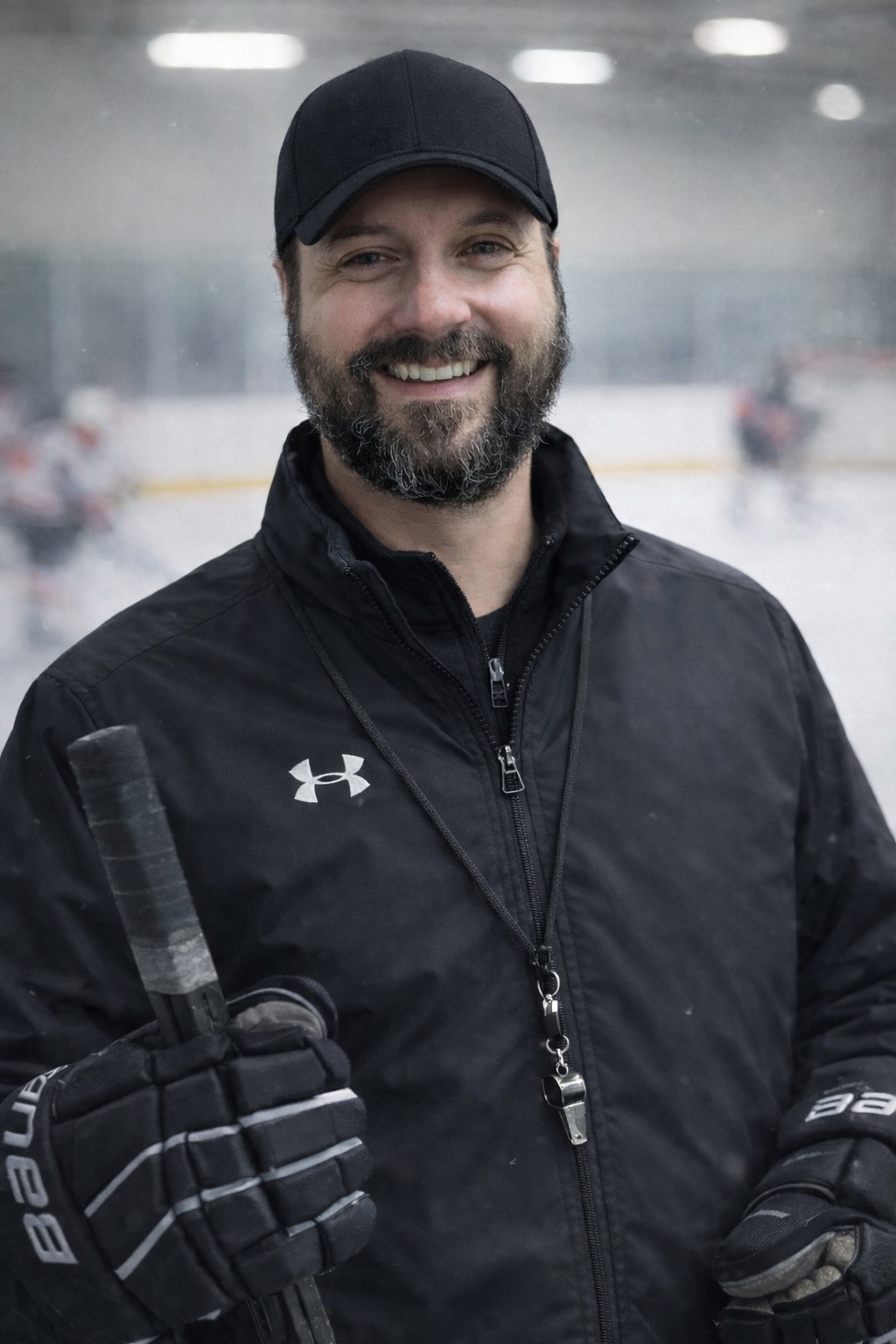

Helinski’s method was not accidental. It was the result of deliberate design, informed by his training in universal design for learning and his instinct for matching instruction to the learner rather than the learner to the instruction.
What Hands-On Learning Actually Requires
Practical instruction requires investment, and Helinski has never been reluctant to make that case. During his time in Andover, Massachusetts as an engineering and design teacher, he ran a civil engineering club and a woodworking club after school hours. He designed lessons around robotics, rocketry, and ergonomics. He created the conditions for students to encounter real problems and work toward real solutions.
The same philosophy informed his later work in the utility sector, where he developed onboarding and operator qualifications curriculum for Progressive Pipeline Management, a specialized pipelining company serving major east coast gas utilities. The principles carried over. Clear objectives, tested methods, iterative improvement.
Four Trends Shaping How People Learn in 2026
In a piece recently published by Barchart, Helinski outlined key shifts in how learning, work, and creation are evolving. His perspective draws on both classroom experience and field engineering, producing analysis grounded in practice rather than theory.
Helinski has also been featured in Brainz Magazine and AccessNewswire discussing the importance of returning to practical problem-solving frameworks in educational settings. His view is consistent: learning that cannot be applied has limited value, and the gap between academic instruction and real-world competency is a structural problem worth addressing directly.
What Educators and Learners Can Do Right Now
Helinski’s recommendation is to begin with the simplest version of hands-on engagement available in your current environment. Identify one concept in your curriculum or training program that could be demonstrated physically rather than described verbally. Build the demonstration before refining it. Test whether understanding improves. Iterate from there.
The engineering design process does not require expensive equipment. It requires a clear question, a method for testing answers, and a willingness to revise based on what you learn.
Take one concept you currently teach or train abstractly and find a way to make it physical this week. Note the difference in engagement and ask whether the outcome improved.
About Anthony Helinski
Anthony Helinski is a Salem, New Hampshire-based educator, project engineer, and woodworking entrepreneur. He holds two master’s degrees from Lesley University and spent seven years teaching science and reading at Lawrence Public Schools before transitioning to engineering design instruction and gas utilities project management. He is the founder of Helinski Custom Woodworking and can be reached through anthonyhelinski.com.
About Author
Disclaimer: The views, suggestions, and opinions expressed here are the sole responsibility of the experts. No Digi Observer journalist was involved in the writing and production of this article.
Press Release
TMR Roof Plumber Mornington Delivers Best Roof Plumbing and Repair Services Across the Mornington Peninsula

Australia, 20th Mar 2026 – Homeowners and businesses across the Mornington Peninsula now have a dependable partner for all roofing needs with TMR Roof Plumber Mornington, a leading provider of professional roof plumbing and repair services. Known for its commitment to quality workmanship, fast response times, and customer satisfaction, the company continues to set a high standard for roofing solutions in the region.
Conveniently located at 90 Main St, Mornington, VIC 3931, TMR Roof Plumber Mornington has built a strong reputation as a go-to roof plumber mornington expert. Whether it’s a minor leak, major storm damage, or a complete roof restoration, the team brings years of hands-on experience and industry knowledge to every project.
Roofing issues can arise unexpectedly, often leading to costly damage if left unaddressed. TMR Roof Plumber Mornington understands the urgency of such situations and provides prompt, reliable services to ensure properties remain safe and protected. Specializing in roof repairs mornington, the company offers tailored solutions designed to extend the lifespan of roofs while maintaining structural integrity and aesthetic appeal.
“Our mission is to provide top-quality roofing services that customers can rely on,” said a spokesperson for TMR Roof Plumber Mornington. “We take pride in delivering workmanship that not only meets but exceeds expectations, ensuring long-term peace of mind for our clients.”
Serving both residential and commercial clients, the company’s comprehensive range of services includes leak detection, gutter installation and maintenance, flashing repairs, roof restorations, and more. Their expertise in roof repairs mornington peninsula ensures that properties across the region are well-equipped to handle Australia’s unpredictable weather conditions.
What sets TMR Roof Plumber Mornington apart is its customer-first approach. Every project begins with a thorough inspection, followed by clear communication and transparent pricing. Clients are kept informed throughout the process, ensuring confidence and satisfaction from start to finish.
In addition to repairs, the company is also recognized as a trusted roof plumber mornington peninsula, offering expert roof plumbing solutions that enhance drainage, prevent water damage, and improve overall roof performance. By using high-quality materials and proven techniques, the team ensures durable and efficient results.
Energy efficiency is another key focus for the company. With rising energy costs, proper insulation has become more important than ever. TMR Roof Plumber Mornington provides professional roof insulation mornington peninsula services, helping property owners improve thermal efficiency, reduce energy bills, and create more comfortable indoor environments year-round.
As a locally owned and operated business, TMR Roof Plumber Mornington understands the unique needs of the Mornington Peninsula community. Their deep knowledge of local building styles and environmental conditions allows them to deliver customized solutions that stand the test of time.
The company’s dedication to excellence is reflected in its growing base of satisfied customers and positive word-of-mouth referrals. By consistently delivering high-quality results, TMR Roof Plumber Mornington has established itself as a trusted name in the roofing industry.
About TMR Roof Plumber Mornington
TMR Roof Plumber Mornington is a professional roofing company based in Mornington, Victoria, specializing in roof plumbing, maintenance, and repair services. With a strong focus on quality, reliability, and customer satisfaction, the company serves residential and commercial clients throughout the Mornington Peninsula. Their team of skilled and experienced professionals is committed to delivering durable, cost-effective solutions tailored to each client’s needs. From emergency repairs to complete roof restorations and insulation services, TMR Roof Plumber Mornington continues to be a trusted choice for dependable roofing solutions.
For those seeking reliable and professional roofing services, TMR Roof Plumber Mornington offers a seamless experience backed by expertise, integrity, and a commitment to customer satisfaction.
To learn more about their services or to request a quote, visit https://roofplumbermornington.com.au/ or contact the team directly.
Media Contact
Organization: TMR Roof Plumber Mornington
Contact Person: Support team
Website: https://roofplumbermornington.com.au/
Email: Send Email
Contact Number: +61483982422
Address:90 Main St Mornington, VIC 3931
Country:Australia
Release id:42881
The post TMR Roof Plumber Mornington Delivers Best Roof Plumbing and Repair Services Across the Mornington Peninsula appeared first on King Newswire. This content is provided by a third-party source.. King Newswire makes no warranties or representations in connection with it. King Newswire is a press release distribution agency and does not endorse or verify the claims made in this release. If you have any complaints or copyright concerns related to this article, please contact the company listed in the ‘Media Contact’ section
About Author
Disclaimer: The views, suggestions, and opinions expressed here are the sole responsibility of the experts. No Digi Observer journalist was involved in the writing and production of this article.
Community Invited to Easter Egg Hunt at Church of Scientology Nashville
Anthony Helinski Makes the Case for Bringing Hands-On Learning Back to the Classroom
TMR Roof Plumber Mornington Delivers Best Roof Plumbing and Repair Services Across the Mornington Peninsula
Benzinga Money Article Discusses How to Become Part of the 12% of Retirees Who Have Achieved the Recommended $550,000 Minimum Retirement Savings Threshold
Apu Apustaja Conquers New York with Lively Street Ads, Including Times Square Billboard
Bay Smokes Maintains Quality Amid Legislative Changes in the Hemp Industry


-
Press Release7 days ago
ForexBrokers.Live: Simplifying MT4 and MT5 for Forex Traders
-
Press Release6 days ago
European Scientologists Expand Human Rights Education in Europe and Abroad
-
Press Release6 days ago
Ernie Williams’ “Wired for Disaster” Hits no.1 on Amazon, Offering a Practical Guide to Surviving and Rebuilding After an EMP Event
-
Press Release1 week ago
Somos Martina Launches Period Uniform Program, Integrating Period Underwear into Colombian School Uniform System
-
Press Release6 days ago
100 plus Projects Launch Tokens Through VestaScan Platform
-
Press Release6 days ago
Atlanta Bookshelves on the Decline of True Craftsmanship in American Interiors
-
Press Release6 days ago
Saswat Panda’s Argument Against Sensationalism in Modern Wildlife Imagery
-
Press Release6 days ago
Lonnie Ruscito’s Split, Not Shattered Hits no.1 on Amazon, Offering Tested Advice for Peaceful Co-Parenting and Familial Stability