
Press Release
DeHero: Gradually Upgrading to Card Metaverse

DeHero, released by MixMarvel, is a card-collecting blockchain game that focuses on NFT+DeFi gameplay, first deployed on Binance Smart Chain (BSC). In the game, users gain random NFT hero card packs by staking FT assets. By collecting NFT characters and using appropriate card mining training strategies, users obtain DeHero’s governance token $HEROES. All NFT cards received can be traded in the Marketplace.
DeHero is adding more application scenarios for NFT based on the existing GameFi. At this point, the NFT holders in DeHero are the core asset holders of the project. With the expansion of DeHero’s application scenarios, more roles and labor division will gradually form a new paradigm of GameFi v2.0.
Current Performance
Based on the existing GameFi, various light application scenarios are being added to the issued NFT over the third quarter of 2021. The card packs Shop, card-collectibles mining, Marketplace, and Heroes Lottery have already been deployed at the iterative rate of a new system every two weeks.
Card battles and equipment systems are to be launched next month.
Upcoming Milestones
DeHero plans to endorse cross-chain and more on-chain dapp interactions and cooperations and integrate multiple assets into a token system in the last quarter of the year. Token and gameplay design is in progress, and the beta version V1 is expected to be launched soon.
At the same time, the rental protocol will be completed before the end of the year. NFT asset holders will rent NFTs to other users through the rental protocol, allowing them to enjoy the game through rich gameplay and earn simultaneously (play-to-earn).
About DeHero
DeHero is a BSC-based GameFi application released by MixMarvel. It is a card collecting blockchain game featuring NFT+DeFi gameplay. While collecting NFT cards, players can also earn $HEROES. Since its launch, DeHero has achieved proud results. On the day of the launch, its NFT pre-sale cards were sold out within 24 minutes, and its NFT transaction volume reached second place on BscScan on the second day of the launch. Shortly, DeHero will release new hero characters and support new features. In the future, DeHero will introduce the DAO governance module, and players will be able to participate in game development planning and ecological governance through the DAO community.
About Author

Disclaimer: The views, suggestions, and opinions expressed here are the sole responsibility of the experts. No Digi Observer journalist was involved in the writing and production of this article.

Press Release
David Rhoads Highlights the Importance of Cybersecurity Preparedness in Preventing Business Disruptions

San Francisco, CA, November 3rd, 2026, ZEX PR WIRE, David Rhoads, a cybersecurity expert based in San Jose with 15 years of experience, is highlighting the importance of preparing businesses for cyber incidents. As companies become more dependent on digital systems, security breaches can interrupt essential operations. According to Rhoads, businesses need clear plans to manage these risks before an attack occurs.

A cyberattack can bring business operations to a standstill. Employees may lose access to essential files. Customers may be unable to use online services. Financial transactions may also be delayed.
According to Rhoads, businesses should begin by identifying the operations they cannot afford to lose. This includes determining which systems are essential and how long the company could function without them. Such an assessment helps businesses prioritize their security investments. It also allows managers to prepare for disruptions that could affect revenue, customer service, and daily operations.
Rhoads emphasizes that cybersecurity planning should involve business leaders as well as technical teams. Management needs to understand the potential consequences of an attack. It must also ensure that employees know how to respond when problems arise.
Many cyber incidents exploit weaknesses that businesses could have addressed earlier. Outdated software, weak passwords, and poorly managed access permissions can expose company systems to attack.
Rhoads points to regular security assessments as an important part of preparedness. These assessments help businesses identify vulnerabilities and decide which ones require immediate attention.
Companies should install security updates promptly. They should also restrict access to sensitive information. Employees should only have permission to access the systems and data required for their roles.
Artificial intelligence has added another challenge. Cybercriminals can use AI to create convincing phishing messages and automate parts of their attacks. These techniques can make fraudulent activity harder to recognize.
Rhoads stresses the need for businesses to review their security measures regularly. Organizations cannot assume that protections designed for yesterday’s threats will address tomorrow’s risks. Routine assessments can help identify gaps before attackers exploit them.
Employees play an important role in protecting business systems. A single careless action can expose sensitive information or provide attackers with unauthorized access. Rhoads believes employee awareness should form part of every organization’s cybersecurity strategy. Workers need to recognize suspicious messages and understand how to handle unexpected requests for confidential information.
Training should also explain how employees can report potential security problems. Clear reporting procedures allow technical teams to investigate concerns before they escalate.
Businesses can reinforce these lessons through practical exercises. Simulated phishing tests, for example, can help identify areas where additional training is needed.
According to Rhoads, security awareness should be an ongoing effort rather than a one-time exercise. Regular training helps employees remain alert as threats and attack methods change.
Even businesses with strong security measures can experience cyberattacks. Having a response plan can help limit the damage. Rhoads highlights the importance of assigning clear responsibilities before an incident occurs. Employees and technical teams should know who makes decisions, who investigates the problem, and who communicates with affected stakeholders.
An incident response plan should outline how to identify suspicious activity and isolate affected systems. It should also explain how to protect relevant evidence and restore normal operations.
Testing these procedures is equally important. Tabletop exercises allow teams to work through simulated cyber incidents. They can reveal communication gaps and unclear responsibilities before a real emergency occurs. Rhoads notes that confusion during an attack can waste valuable time. Businesses that establish procedures in advance are better prepared to make decisions under pressure.
Containing an attack is only part of the response. Businesses must also restore their systems and resume essential activities. Rhoads identifies secure data backups as one important element of recovery planning. Companies should protect backup copies from unauthorized access. They should also test their recovery procedures to ensure that information can be restored when needed.
Businesses should establish priorities for bringing systems back online. Critical services may need attention before less essential applications. This approach can help reduce unnecessary delays.
Alternative working arrangements may also prove useful. Some organizations may need manual procedures while their systems remain unavailable. Others may require backup communication channels to maintain contact with customers and employees.
According to Rhoads, recovery planning should reflect the specific needs of each business. A practical plan must account for the systems, information, and services that keep the organization running.
Cybersecurity preparedness requires regular attention. Businesses should review their security controls, update response plans, and address newly identified weaknesses. Rhoads encourages organizations to view preparedness as an ongoing responsibility. Cyber threats continue to evolve, and security measures must keep pace. Waiting until an attack occurs can leave businesses scrambling to make critical decisions.
By identifying vulnerabilities, training employees, and preparing recovery procedures, companies can improve their ability to withstand cyber incidents. These steps cannot eliminate every risk. However, they can help limit disruption and support a faster return to normal operations.
For Rhoads, the goal is to help businesses approach cybersecurity with greater foresight. Advance planning gives organizations a clearer path to follow when unexpected incidents threaten their operations.
About Author

Disclaimer: The views, suggestions, and opinions expressed here are the sole responsibility of the experts. No Digi Observer journalist was involved in the writing and production of this article.
Toronto, Ontario, November 4th, 2026, ZEX PR WIRE ,
Gillian Rotstein, a Toronto-area marketing and communications consultant, is raising concerns about how late many small businesses bring marketing into the decision-making process.
A Problem She Sees Again and Again
Gillian Rotstein works with small businesses and independent brands on marketing strategy, brand positioning, and digital communications. Across that work, she keeps running into the same pattern: marketing gets treated as something to do after the real decisions are already made.
A business picks a name, sets prices, builds a product, and only then asks how to talk about it. By that point, the options are limited. The brand has already been shaped by choices nobody thought to run past a marketing lens.
Rotstein says this is not a small timing issue. It changes what marketing can actually accomplish.
Why the Order Matters
When marketing comes in at the end, its job shrinks to packaging. It can write the copy, pick the colors, and build the posts, but it cannot fix a business that was never positioned clearly in the first place.
Rotstein points out that positioning is a business decision, not a design decision. Who a product is for, what it is competing against, and why a customer should pick it over the alternative: these questions shape pricing, hiring, and even what the business builds next. If marketing is only invited in after those questions are settled, it is reacting instead of informing.
She has seen small businesses spend months on a product and then ask for help explaining it in a weekend. The explaining is the easy part. The hard part, figuring out what makes the business distinct, is the part that needed to happen earlier.
What Gets Lost When Marketing Comes Last
Rotstein describes a few consequences she sees often.
Messaging ends up generic, because it is built to fit a business that was never defined with a customer in mind. Brands end up sounding like their competitors, because nobody asked what made them different before the website was already live.
Budgets get spent twice. A business launches with one message, learns it does not land, and pays again to reposition. Rotstein says this second round is often more expensive and more disruptive than it would have been to think it through at the start.
And founders get discouraged. They did the work, built something real, and then hear that it is not resonating. Often the product is fine. The problem is that nobody connected it to a clear reason for a customer to care, until it was already out in the world.
What She Tells Business Owners Instead
Rotstein’s advice is simple: bring marketing questions into the room earlier, even informally. Before a name is finalized, before a price is set, ask who this is for and why they would choose it. The answer does not need to be polished. It needs to exist.
She also tells founders that marketing is not a department that gets handed a finished business to describe. It is a way of thinking about the customer that should sit next to every other decision, from pricing to hiring to what gets built next.
This does not mean every small business needs a full strategy document before taking a single step. Rotstein works with businesses at every stage, including ones that come to her well after launch. But she says the earlier the thinking happens, the less expensive it is to fix later.
Her consulting work focuses on helping businesses define that positioning clearly, whether they are just starting out or trying to understand why their current messaging has stopped working.
About Gillian Rotstein
Gillian Rotstein is a marketing and communications consultant based in the Toronto, Ontario area. She works with small businesses and independent brands on marketing strategy, content development, brand positioning, and digital communications. After several years working for larger marketing agencies, she launched her own consulting practice and now works independently with entrepreneurs and growing companies.
About Author
Disclaimer: The views, suggestions, and opinions expressed here are the sole responsibility of the experts. No Digi Observer journalist was involved in the writing and production of this article.
Press Release
Prosperity Partners Examines How Premarket Price Activity Can Shape Small-Cap Trading Decisions
San Francisco, CA, November 3rd, 2026, ZEX PR WIRE, Prosperity Partners LLC, a private stock trading consultancy focused on small-cap equities, is examining how premarket price activity can help traders assess potential opportunities before the regular trading session begins. The company emphasizes the importance of evaluating early price movements alongside trading volume, technical levels, and broader market conditions rather than treating premarket gains as a reliable indication of how a stock will perform after the opening bell.
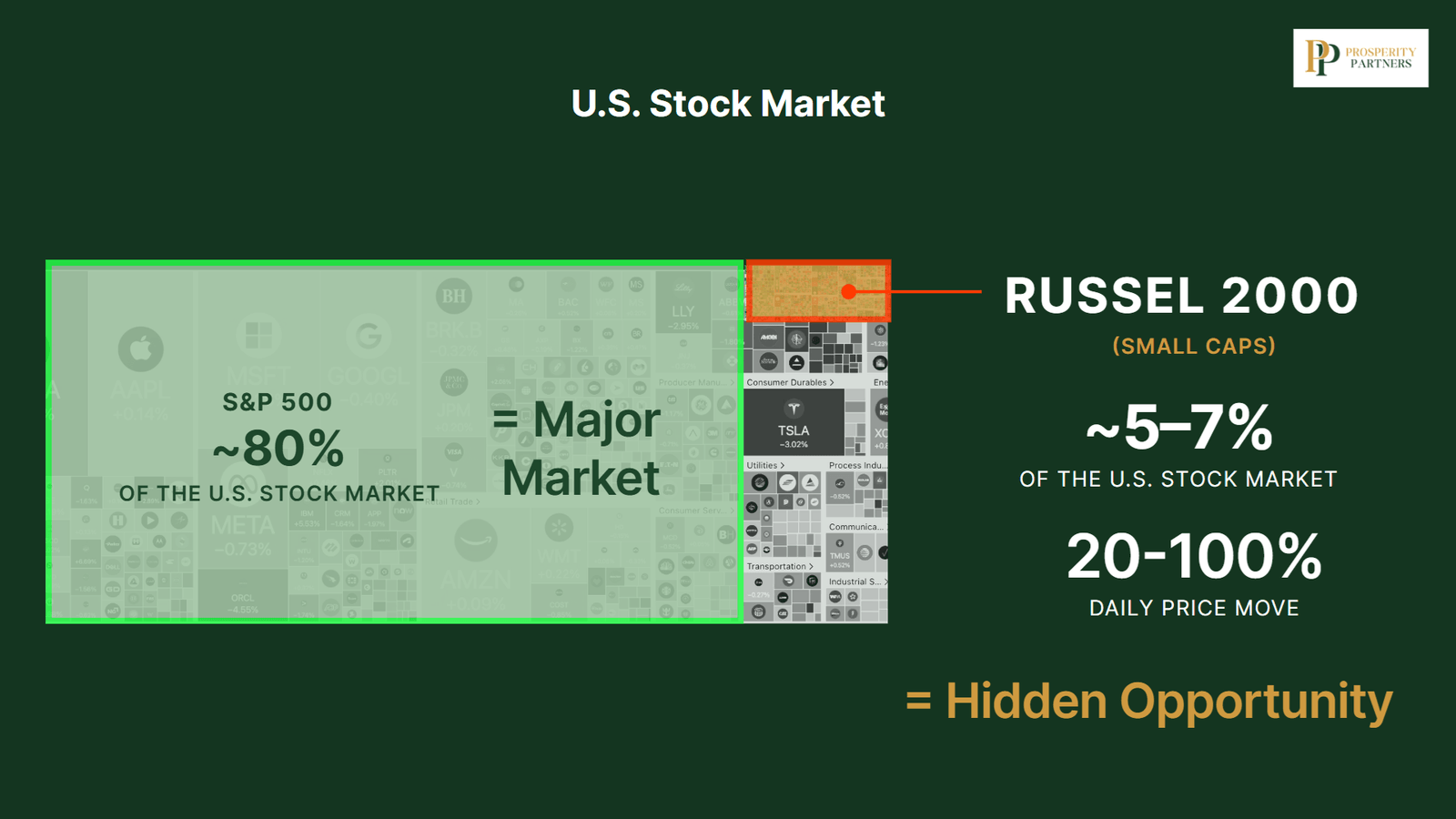
Premarket trading can offer an early view of market interest in a stock. However, activity before the regular session often occurs under different conditions, including lower trading volume and wider bid-ask spreads. These factors can make price movements less reliable and complicate trade execution. For traders focused on small-cap stocks, understanding these limitations can be an important part of preparing for the trading day.
Small-cap stocks can experience substantial price changes before the regular market opens. Company announcements, earnings releases, regulatory developments, and shifts in investor sentiment can all contribute to increased activity. In some cases, a stock may rise sharply as traders respond to new information. In others, a price move may reflect limited trading activity rather than sustained demand.
Prosperity Partners emphasizes the importance of examining the circumstances behind these movements. A significant percentage gain may attract attention, but the size of the move alone does not establish whether a stock presents a viable trading opportunity. Traders also need to consider the volume supporting the move, the location of the current price relative to established technical levels, and whether the underlying catalyst offers a clear explanation for the activity.
This assessment can help traders distinguish between stocks showing signs of sustained interest and those experiencing temporary price fluctuations. It can also help them avoid making decisions based solely on rankings, headlines, or the fear of missing an early move.
Trading volume is one factor traders can examine when assessing premarket activity. A price increase accompanied by meaningful participation may warrant further investigation, while a sharp move on limited volume can be more difficult to interpret. Neither situation guarantees a particular outcome, but volume provides context that price alone cannot supply.
Technical levels offer another reference point. Previous highs, support and resistance areas, and anticipated breakout levels can help traders evaluate where a stock stands in relation to its recent price behavior. If a stock approaches a significant resistance level before the opening bell, traders may consider whether buying interest is strong enough to sustain a move beyond that level once regular trading begins.
The opening session can also produce conditions that differ considerably from those observed earlier. As more market participants enter, prices may continue moving in the same direction, reverse sharply, or fluctuate around important technical levels. A premarket breakout therefore does not necessarily confirm that a sustained trend has begun.
By evaluating price action in context, traders can develop clearer criteria for deciding whether to participate, wait for additional confirmation, or disregard a setup that does not meet their requirements.
Premarket activity presents challenges that are particularly relevant to small-cap equities. Lower liquidity can make it harder to execute orders at expected prices, while wider spreads can increase transaction costs. Prices may also change quickly when a small number of orders account for a substantial share of available trading activity.
These conditions can affect both entry and exit decisions. A trader who bases a position on a displayed premarket price may find that the available price changes before an order can be executed. Similarly, a stock that appears to offer a clear opportunity before the opening bell may experience a rapid reversal when regular-session volume increases.
Prosperity Partners’ focus on predefined entry and exit levels, technical analysis, and risk management provides a framework for evaluating these uncertainties. Rather than assuming that early price strength will continue, traders can establish the conditions under which a trade would become attractive and identify the circumstances that would invalidate the original setup.
Position sizing and potential downside also remain important considerations. A promising chart pattern does not eliminate the possibility of an adverse move, and traders must account for the possibility that an exit may not occur at the intended price.
Premarket analysis can be most useful when it informs preparation rather than dictates immediate action. Traders can use the early session to identify stocks attracting attention, review relevant company developments, mark important price levels, and develop scenarios for the regular session.
This process also creates an opportunity to define what would justify entering a trade and what evidence would suggest staying out. Such preparation can reduce the pressure to make rushed decisions when prices begin moving quickly after the opening bell.
For Prosperity Partners, the broader consideration is the relationship between market observation and disciplined execution. Early price activity can provide useful information, but its value depends on how that information is interpreted and incorporated into a wider decision-making process.
By approaching premarket movements with defined criteria and an awareness of their limitations, traders can make more deliberate assessments of small-cap opportunities. The objective is not to predict every opening move, but to evaluate available evidence, manage uncertainty, and participate selectively when market conditions align with an established trading plan. To learn more about Prosperity Partners, visit https://prosperitypartners.io/
About Author
Disclaimer: The views, suggestions, and opinions expressed here are the sole responsibility of the experts. No Digi Observer journalist was involved in the writing and production of this article.
Peer-Reviewed Scientific Journal Publishes U.S. Clinical Study Reporting Interim Results of 87.7% Accuracy for IR-MED’s PressureSafe™ Technology in Pressure-Injury Assessment
David Rhoads Highlights the Importance of Cybersecurity Preparedness in Preventing Business Disruptions
Prosperity Partners Examines How Premarket Price Activity Can Shape Small-Cap Trading Decisions
Benzinga Money Article Discusses How to Become Part of the 12% of Retirees Who Have Achieved the Recommended $550,000 Minimum Retirement Savings Threshold
Apu Apustaja Conquers New York with Lively Street Ads, Including Times Square Billboard
Bay Smokes Maintains Quality Amid Legislative Changes in the Hemp Industry


-
Press Release4 days ago
A Better Life Through Ai Wheel Mobility Scooter 20 inch Boarding Luggage: Airwheel Smart Carry on hand Luxury Cabin Suitcase Shine at the 140th Canton Fair
-
Press Release4 days ago
Soika Labs Launches Mockingjay Network, an Agentic AI Operating System That Lets Businesses Command Their Own AI Workforce
-
Press Release5 days ago
AIXONA Announces AI-Powered Transaction Optimization and Expansion into European and Canadian Markets
-
Press Release1 week ago
FinSight Ventures Launches $100 Million Physical AI Index Fund
-
Press Release6 days ago
Alex Cecola Highlights Why Investment Process Matters More Than Market Prediction for Long- Term Investors
-
Press Release4 days ago
Remittances to Uzbekistan Reach $18.9bn as OSON X Opens a UAE Money App for Central Asians
-
Press Release4 days ago
Aussie Vape Trend Scales Wholesale Supply Network Across Australia
-
Press Release4 days ago
Rossi Paola Vargas Daly Connects Public Health Research and Criminal Law