
Press Release
ChiaArk: The POS mining machine went live on Jul. 12

On Jul. 12, 2021, the ChiaArk POS mining machine went live! Advocating a new carbon neutrality ecology, building a new economic entity subject to continuous cycle and promoting green living and production, ChiaArk consolidates step by step and moves ahead steadily.

What is ChiaArk?
As the ancillary incentive token of global miner, ChiaArk hammers at creating a green incentive layer to assist Chia in achieving the first corporate digital asset that is compliant and environmentally friendly in the world to increase several times of sustainable income for global miners, call on global miners to mine with zero energy consumption and promote the sustainable development of XCH.
XCHA is a negotiable token for incentive and reward of Chia miners and each miner participating in Chia mining has a chance to get it free of charge. When the Chia miner gets a XCH, ChiaArk will freely input 0.1 billion XCHAs and destroy 0.1 billion XCHAs at the same time.
Background of ChiaArk emergence
Since coming out, the digital currency based on Blockchain technology has are booming. Almost all the cryptocurrencies are produced based on various consensus mechanisms, and the mining business has become the cornerstone of the entire cryptocurrency industry.
With the development of the whole industry, the mining has also grown rapidly, while the original mining by the self-purchase mining machine has gradually faded out of the historical stage, and was replaced by the cluster mining mode in the form of mining pool due to the continuous improvement of the mining industry model. In the current stage, the mining model of verifying the transaction by single-purpose ASIC hardware has been criticized, while the Chia model for mining via remaining disk space (mining via hard disk) will become the new time minion.
Although the Chia mining has matured, the current ecological construction is still in the initial stage, and there are still some improvements to be made. Chia Ark is for filling the gap.
Advantages of ChiaArk
The Chia Ark incentive mechanism is used for real-time measurement of the contribution made by each person via a series of intelligent equipment and algorithms in the Blockchain, and then such measurement is converted into incentive by reasonable token to be sent to the contributor promptly. The final value of these tokens depends on what we do, how much value is created by us and the specific provisions in the agreement. The tool-token is used together with the contract, and its final design goal is to enable the doer to pursue personal interests and coincide with the goal of maximizing the collective value by the enterprise. The design is ingenious and smart.
As the negotiable token for incentive and reward of Chia miners, ChiaArk has the following advantages:
● High precision: The minor actions and behaviors of the user can be measures.
● Transparency: How many tokens each behavior is worth is written in the algorithm which is clearly known by everyone, so the rule is completely transparent.
● Instantaneity: Because the reward is written into the algorithm, as long as this action is implemented, the token can be sent to him within the shortest time.
● Penetrability: The traditional incentive can be issued after layer-by-layer assessment and confirmation, but the token incentive based on the algorithm can be sent to the individual point to point with penetrability.
The sustainable development has always been the baseline and original intention needing to be upheld by human beings for scientific and technological exploration, so is the green mining concept advocated by Chia Ark. The goal of carbon neutrality requires the joint efforts by all mankind, and Chia Ark will make its own contribution to the realization of the this goal.
About Author

Disclaimer: The views, suggestions, and opinions expressed here are the sole responsibility of the experts. No Digi Observer journalist was involved in the writing and production of this article.

Press Release
Small District, Big Pay: Ramona Water Board Approves Over $290K in Annual Compensation for General Manager

One Week Before Election Day, Unanimous Board Vote Raises Questions About Executive Spending, Water Affordability and Public Priorities
United States, 28th Oct 2026 – One year after the Ramona Municipal Water District Board unanimously approved an annual compensation package exceeding $290,000 for General Manager Erica Wolski, the decision is drawing renewed attention ahead of the November 3 election.
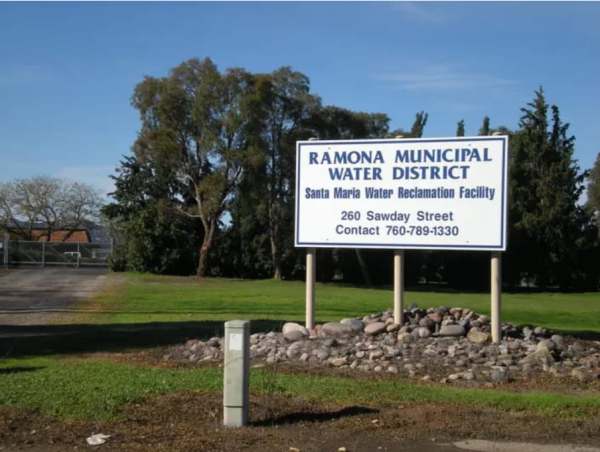
The approval puts executive compensation, financial oversight and water affordability at the center of questions for incumbent board president Jim Hickle and challenger John Stevenson.
The central issue is not simply how much the district pays its general manager, but what standards, performance results and comparisons the board used to determine that amount – and what Ramona residents are receiving in return.

A Unanimous Decision, Questions About Priorities
On October 14, 2025, the board voted 4-0 to approve an amendment to Wolski’s employment agreement. The annualized package totals $290,026, including salary, deferred compensation and an $833 monthly car allowance, before other benefits.
The district serves approximately 40,000 people. For comparison, San Diego advertised a $310,752 salary for its Public Utilities Director in 2026. Although the positions differ in responsibilities and organizational scale, the comparison raises questions about how public agencies determine executive pay.
The district cited Wolski’s performance, grant funding, partnerships and management responsibilities in support of the adjustment. Residents should be able to examine the evidence supporting those considerations.
Water Affordability and Public Spending
For families, seniors, farmers and small businesses, water is an essential expense. As residents face concerns about rising costs, transparency surrounding district spending matters.
“This may be water under the bridge to some, but I was shocked when I saw the compensation approved for General Manager Erica Wolski – and I am not alone,” said Linda Klein, editor of Ramona Citizen News.
“Some of our neighbors are struggling to put food on the table, pay their water bills and make ends meet. When I see compensation exceeding $290,000 annually, I want to understand how that decision was justified and what our community receives in return.
“Public money deserves public accountability.”
The Public Needs to Hear From Both Candidates
With Election Day approaching, residents have an opportunity to hear directly from both candidates about the district’s financial priorities.
As incumbent board president, Jim Hickle can explain the board’s compensation decision, its supporting evidence and how district performance is evaluated.
Challenger John Stevenson can explain what he would review, preserve or change if elected. Both candidates have three important questions to address:
- Executive spending: What justifies the compensation package, and would you support an independent compensation and staffing review?
- Water affordability: What specific actions would you pursue to control costs while maintaining reliable service?
- Public accountability: How should residents evaluate district spending, grant funding and measurable results?
Following the Money
Grants can bring valuable resources to Ramona, but residents should understand how funds are spent, whether local contributions are required and what ongoing financial obligations may follow.
“This is about more than one salary or one board vote,” Klein said. “It’s about how public money is spent, how decisions are explained and whether the people paying the bills have a meaningful voice.
“Residents deserve answers, accountability and a clear understanding of what their money is paying for.”
Election Day is Tuesday, November 3, 2026.
OFFICIAL RECORDS
October 14, 2025 Board Agenda Memo, Item F.5: Proposed salary, deferred compensation, car allowance and the district’s stated rationale. Read the official memo.
October 14, 2025 Board Minutes: The district’s meeting archive provides access to agendas and minutes. View agendas and minutes.
2024 Public Payroll Record: Historical reported salary and benefits information. Review the payroll record.
Media Contact
Linda Klein, Editor
Ramona Citizen News
Telephone: 760-383-9262
Email: RamonaCitizenNews@gmail.com
Website: www.RamonaCitizenNews.com
Media Contact
Organization: RAMONA CITIZEN NEWS
Contact Person: Linda Klein
Website: http://www.ramonacitizennews.com/
Email: Send Email
Country: United States
Release id: 50248
View source version on King Newswire:
Small District, Big Pay: Ramona Water Board Approves Over $290K in Annual Compensation for General Manager
About Author

Disclaimer: The views, suggestions, and opinions expressed here are the sole responsibility of the experts. No Digi Observer journalist was involved in the writing and production of this article.
Press Release
Hartwell Site Solutions Delivers Professional Foundation Excavation and Drainage Services Across Massachusetts
Hartwell Site Solutions is a property improvement company based in Leominster, Massachusetts, offering foundation excavation, site preparation, grading, and drainage solutions for residential and commercial properties. The company helps property owners prepare construction sites, manage excess water, and improve outdoor spaces through careful planning and professional workmanship. Its services include foundation excavation, French drains, surface drainage, dry wells, gutter and downspout drainage improvements, and other property-related work. The company serves areas including Leominster, Lunenburg, Boxborough, and Westford, focusing on site-specific solutions, customer communication, and reliable project planning.
Leominster, Massachusetts (MA), United States, 28th Oct 2026 – Hartwell Site Solutions is highlighting its foundation excavation, site preparation, and drainage services for residential and commercial property owners throughout Massachusetts. Based in Leominster, the company provides property-focused solutions designed to help customers prepare construction sites, manage excess water, improve outdoor spaces, and address challenging ground conditions through careful planning and professional workmanship.

Reliable excavation and drainage are important components of successful construction and property maintenance. From preparing the ground for a new foundation to addressing persistent standing water, property owners benefit from understanding their site’s conditions before work begins. Hartwell Site Solutions emphasizes a practical, customer-focused approach that considers project objectives, site characteristics, drainage requirements, and the work needed to prepare a property for its next stage.
Supporting Construction Projects Through Professional Foundation Excavation
Foundation preparation is an important early stage in residential and commercial construction. The condition of the ground, the proposed building layout, site accessibility, and water management requirements can all influence how an excavation project should be planned.
Professional foundation excavation involves more than removing soil. It requires attention to the intended foundation dimensions, required elevations, site access, surrounding structures, and construction plans. Depending on the property, preparation may also involve clearing the designated work area, grading, managing excavated material, and coordinating with other construction professionals.
Hartwell Site Solutions offers foundation excavation services intended to help prepare sites for construction and property improvements. Customers considering foundation excavation in Leominster can discuss their project requirements and determine the appropriate scope of work for their property.
The planning process should account for relevant construction drawings, soil conditions, drainage considerations, and applicable local requirements. Where engineering specifications or permits are necessary, the appropriate professionals and authorities should be consulted before excavation begins.
Property owners exploring foundation excavation in Lunenburg may also need to consider equipment access, existing landscaping, underground utilities, and the relationship between the proposed foundation and surrounding ground elevations. Evaluating these factors early can help clarify the work involved and reduce the likelihood of avoidable complications.
Similarly, foundation excavation in Boxborough may require project-specific planning to account for the property’s layout, soil characteristics, and intended construction. No two sites are identical, making an assessment of individual conditions an important part of preparing an effective excavation plan.
By emphasizing preparation and communication, Hartwell Site Solutions helps customers understand the considerations involved in foundation-related sitework before moving forward.
Drainage Solutions Designed Around Property Conditions
Excess water can create a range of challenges for homeowners and commercial property managers. Standing water, consistently saturated lawns, soil erosion, and water collecting near foundations may affect how a property can be used and maintained.
Drainage problems can have several underlying causes. Water may be moving toward a building because of the surrounding grade, collecting in a low area, or flowing from gutters and downspouts that discharge too close to vulnerable parts of the property. Soil permeability, groundwater conditions, and the availability of a suitable discharge location can also influence the most appropriate solution.
Hartwell Site Solutions provides drainage services intended to improve water management around homes and outdoor spaces. Depending on the situation, possible solutions may include French drains, surface drainage systems, dry wells, gutter and downspout drainage improvements, grading, and sump pump installation.
For property owners researching French drains in Westford, understanding how the system works is an important first step. A French drain generally uses a gravel-filled trench and perforated drainage pipe to collect and redirect water toward an appropriate outlet or dispersal area. When properly designed and installed for the site, the system can help reduce water accumulation in targeted areas.
However, a French drain is not automatically the right answer for every drainage problem. Its effectiveness depends on the water source, soil conditions, elevation, system design, and the availability of a suitable outlet. A drainage assessment can help determine whether a French drain or another approach is more appropriate.
Customers looking into drainage services in Lunenburg may be experiencing water pooling after rainfall, persistently wet sections of lawn, runoff near a building, or moisture concerns around a basement or crawl space. Identifying the source and movement of the water is essential before selecting a solution.
Hartwell Site Solutions encourages property owners to consider drainage as part of a broader property management plan rather than treating visible water accumulation as an isolated issue. Addressing grading, runoff, and drainage pathways together can help create a more practical approach to water management.
Serving Property Owners in Leominster, Massachusetts
As the company’s home base, Leominster is an important location for Hartwell Site Solutions. Property owners planning construction or improvements may need excavation to prepare a foundation area, establish appropriate grades, or create space for other sitework.
When considering foundation excavation in Leominster, customers should identify the intended construction footprint, available equipment access, existing structures, and any relevant plans or specifications. These details help establish the expected scope of work and identify issues that may require additional attention.
Drainage is another consideration for properties in the area. Rainwater that accumulates near a building or repeatedly saturates part of a yard may indicate that grading or water conveyance needs to be evaluated. The appropriate response depends on the property’s layout and the source of the water.
Hartwell Site Solutions provides a starting point for customers seeking excavation and drainage assistance from a company based in Leominster. Property owners can contact the business to discuss their needs and request an estimate for an appropriate scope of work.
Excavation and Water Management Considerations in Lunenburg
Construction preparation and drainage improvements often involve several related decisions. Before excavating, property owners should understand the intended work area, access restrictions, applicable utility-marking requirements, and any design specifications that affect the project.
For customers considering foundation excavation in Lunenburg, a site-specific evaluation can help clarify the excavation requirements and the relationship between the proposed foundation area and surrounding grades.
Water management may be equally important. Where runoff collects in a yard or moisture persists near a structure, identifying the source of the water can help determine whether grading, a drainage channel, a French drain, or another approach should be considered.
Property owners researching drainage services in Lunenburg should also consider where collected water will ultimately go. A drainage system must have an appropriate discharge or dispersal arrangement, subject to relevant regulations and site conditions. Simply moving water from one part of a property to another may not resolve the underlying concern.
Hartwell Site Solutions offers excavation and drainage services that customers can discuss in relation to their property improvement objectives. The goal of the planning process is to identify a suitable scope of work based on the site’s requirements rather than assume that one solution fits every property.
Site Preparation and Excavation Planning in Boxborough
Successful site preparation begins with a clear understanding of the proposed project. Property owners may need to account for vegetation, existing landscaping, changes in elevation, equipment movement, underground utilities, and the condition of the ground where construction is planned.
For customers searching for foundation excavation in Boxborough, these considerations can help establish what needs to happen before foundation construction proceeds. Excavation dimensions and elevations should follow the applicable construction documents and any relevant professional specifications.
Grading and drainage should also be considered during site preparation. If the surrounding ground directs water toward the proposed building area, the project may require additional planning to manage runoff appropriately.
Excavation and sitework can involve coordination with builders, engineers, property owners, and other contractors. Establishing responsibilities and communicating project requirements before work starts can help everyone understand how the excavation fits into the broader construction schedule.
Hartwell Site Solutions provides site preparation and excavation services for property improvement projects. Customers can discuss the scope of their proposed work, the condition of the site, and any relevant plans to determine the next steps.
French Drain and Drainage Considerations in Westford
Persistent wet areas can interfere with landscaping, outdoor activities, and the practical use of a property. In some situations, water may accumulate because the land does not drain efficiently or because runoff has no suitable path away from a low-lying area.
Property owners investigating French drains in Westford should begin by identifying where the water originates, when the problem occurs, and which areas are affected. Observing the property during and after rainfall can provide useful information about runoff patterns and recurring accumulation.
A French drain may be appropriate when subsurface water needs to be collected and redirected. Other situations may be better addressed through surface drainage, grading adjustments, gutter discharge improvements, or a combination of measures.
Drainage planning should also consider the receiving area. Before installing a system, property owners should determine whether the proposed outlet is suitable and whether local requirements restrict how water can be discharged or dispersed.
Hartwell Site Solutions offers drainage solutions intended to address property-specific water management concerns. Customers can discuss the conditions they are experiencing and explore which services may be appropriate for their situation.
The company encourages a considered approach to drainage work: identify the problem, evaluate the site, understand the available options, and establish the work required before installation begins.
A Customer-Focused Approach to Property Improvement
Excavation and drainage projects can involve unfamiliar technical decisions, making clear communication an important part of the customer experience. Property owners need to understand what work is proposed, why it may be necessary, and which site conditions could affect the project.
Hartwell Site Solutions describes its approach as centered on careful planning, quality workmanship, family-focused service, and communication with customers. These principles are relevant throughout the project process, from discussing initial concerns to establishing the scope of work.
Why Professional Excavation and Drainage Planning Matters
Excavation and drainage are closely connected aspects of property development and maintenance. Changes to ground elevation can influence how water moves across a site, while inadequate drainage planning can contribute to recurring water accumulation around buildings and landscaped areas.
Professional planning can help identify important considerations before work begins. These may include:
- Ground conditions: Soil type, stability, and moisture can affect excavation methods and drainage performance.
- Elevation and grading: The relationship between ground levels can influence surface runoff and water collection.
- Construction requirements: Foundation dimensions and elevations should follow the applicable plans and specifications.
- Utility safety: Underground utilities must be identified and addressed before excavation.
- Water discharge: Drainage systems require an appropriate outlet or dispersal arrangement.
- Site access: Equipment movement, nearby structures, and landscaping may affect the work plan.
- Local requirements: Permits, inspections, and other approvals may be necessary depending on the project.
These considerations apply to both new construction and improvements to existing properties. A careful assessment helps establish whether the work is straightforward or whether additional professional input is required.
Property owners should also understand that excavation and drainage work cannot eliminate every possible construction or water-related risk. Results depend on site conditions, design, installation, maintenance, and factors beyond the contractor’s control.
A well-defined scope and realistic expectations provide a useful foundation for making decisions about property improvement projects.
About Hartwell Site Solutions
Hartwell Site Solutions is a property improvement company based in Leominster, Massachusetts. Its published service offerings include excavation, foundation preparation, drainage solutions, French drains, site preparation, grading, hardscaping, landscaping, septic services, and other property-related work.
Frequently Asked Questions
1. What should I look for when choosing a bathroom vanity showroom in Arlington?
Explain how homeowners should compare vanity styles, cabinet sizes, countertop materials, storage options, finishes, and suitability for their bathroom layout before making a decision.
2. How can I find the right bathroom vanity showroom in Billerica for my renovation project?
Discuss the importance of evaluating available design options, material quality, practical storage features, and compatibility with the home’s overall design. Encourage homeowners to confirm product availability and showroom details before visiting.
3. What bathroom vanity styles are suitable for modern homes in Carlisle?
Describe popular options such as floating vanities, minimalist cabinetry, double-sink designs, natural wood finishes, and contemporary countertops. Explain how homeowners can balance appearance, available space, and functionality.
4. What should homeowners consider when searching for a bathroom vanity showroom in Lynnfield?
Explain how to compare vanity dimensions, cabinet construction, countertop materials, moisture resistance, storage capacity, and design compatibility to make a well-informed renovation decision.
5. How do I choose a bathroom vanity showroom in Tewksbury for my home improvement project?
Explain why homeowners should consider design variety, material options, bathroom measurements, installation requirements, and their renovation budget when researching suitable vanity options.
6. What is the best bathroom vanity for a small bathroom?
Explain how wall-mounted vanities, compact cabinets, light finishes, integrated storage, and appropriately sized mirrors can help make a small bathroom feel more spacious and organized.
7. Which materials are best for bathroom vanity cabinets and countertops?
Discuss commonly used cabinet materials and countertop options, including engineered stone, natural stone, and other suitable surfaces. Explain that moisture resistance, maintenance requirements, durability, and budget should guide the selection.
Media Contact
Organization: Hartwell Site Solutions
Contact Person: Eli Ruben
Website: https://hartwellsitesolutions.com/
Email: Send Email
Contact Number: +17817767461
Address: 49 Mooreland Ave, Leominster, MA 01453
City: Leominster
State: Massachusetts (MA)
Country: United States
Release id: 50250
View source version on King Newswire:
Hartwell Site Solutions Delivers Professional Foundation Excavation and Drainage Services Across Massachusetts
About Author
Disclaimer: The views, suggestions, and opinions expressed here are the sole responsibility of the experts. No Digi Observer journalist was involved in the writing and production of this article.
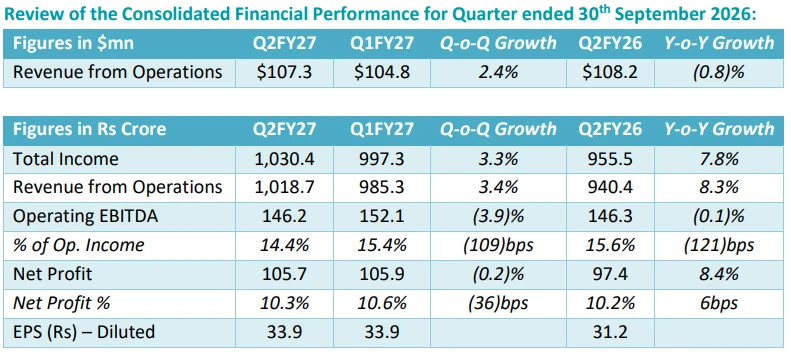
– Q2FY27 revenue at Rs 1,018.7 crore, up by 3.4% Q-o-Q- Signed 53 new AI deals in Q2’27 contributing to ~45% of overall order book.- Signed partnership with Innovaccer, a market-leading platform on Data & AI in healthcare & life sciences, to drive AI transformation growth.- North America continues to see high growth in Order Book.
Mumbai, India 23rd October 2026 – Mastek, a trusted AI Engineering and Transformation company, announced today its financial results for the Second Quarter of FY27 ended on 30th September 2026.
Commenting on the Q2FY27 results, Umang Nahata, Chief Executive Officer, Mastek, said:
“We are leading Mastek into an AI transformational company in select verticals. Our AI-led solutions are gaining high traction with our customers. At the same time, we are also driving several use cases within Mastek to evolve Mastek into an AI Native organization.
UK & Europe business continues to deliver strongly with 4.1% sequential revenue growth in rupee terms backed by good momentum in financial services and public sector. NA business also grew sequentially and delivered a strong order book with positive momentum to grow in future quarters. Middle East continues to be impacted by geopolitical uncertainties.
Overall, our long-term outlook remains positive, powered by growth in Data & AI business.”
Commenting on the Q2FY27 results, Deepak Kedia, Chief Financial Officer, Mastek, said:
“We delivered a strong quarter despite continuing macro challenges with 2.4% constant currency revenue growth.
Our EBIDTA performance was 14.4%, impacted by annual increment. We continue to drive AI-led productivity and remain focused on operational efficiency and disciplined cost management.
We see consistent improvement in our cash position which provides a strong war chest for strategic investments.”
Operating Highlights
- 12 months Order Backlog: 12 months order backlog is at Rs 2,742.8 crore ($286.2mn) as on 30th September 2026 reflecting 10.4% growth in rupee terms on Y-o-Y basis and 2.3% growth in dollar terms on Y-o-Y basis.
- Employees: As on 30th September 2026, the company had a total of 4,810 employees, net reduction of 87 employees during the quarter. Out of 4,810 employees, 3,171 employees were based in India. Last twelve months attrition at 15.2% in Q2FY27 in comparison with 16.4% in Q1FY27.
- Cash Balance: The total cash, cash equivalents and investments is at Rs 930.6 crore as on 30th September 2026 as compared to Rs 945.4 crore as on 30th June 2026. Net cash, cash equivalents and investments of Rs 37 crore added during the quarter despite dividend payout of ~Rs 50 crore and loan repayment of ~Rs 55 crore.
Key wins for the quarter
- Mastek secured a Service-as-Software engagement with a US multi-practice senior care and skilled nursing provider to build and operate a bespoke, AI-powered core clinical platform tailored to the client’s care workflows. The engagement includes a 16-month build phase followed by 36 months of operations. The solution will also create a scalable, industry-ready intelligent asset.
- Mastek secured a five-year strategic partnership with a NYSE-listed global dental technology leader — as multi-pillar delivery partner across Oracle, Salesforce, Data, Digital Engineering, and AI. A scalable POD-based model lets the client activate and expand capability on demand — the speed of a product team with the governance of an enterprise partner.
- Mastek secured a strategic role as Cyber Security Service Delivery Partner, strengthening international cyber resilience for one of the UK’s most security-critical departments. The engagement spans advisory and technical expertise — from risk, governance, and resilience engineering to data protection and emerging AI standards – deepening Mastek’s trusted role in UK national security.
- Mastek secured a business-critical Process transformation engagement with a UK Territorial Police Department, covering finance, procurement, human resources and payroll, leveraged by ADOPT AI. The engagement replaces fragmented legacy corporate systems with standardised processes and trusted data to strengthen financial control, operational visibility and reporting across the force.
- Mastek secured a 3-year, outcome-based managed services partnership with a global classification society for marine, offshore, and industrial assets, for its entire Oracle Cloud estate. Powered by Mastek Agentic AI Managed Services, with AI agents embedded into daily operations, it shifts the client from effort-based support to committed outcomes.
- Mastek secured a strategic engagement to lead one of MENA’s largest private hospital group’s enterprise transformations — connecting Finance, Supply Chain, Workforce, and Planning with its clinical systems on one intelligent platform. Delivered through ADOPT AI on Oracle Fusion Cloud, it standardizes operations, sharpens financial visibility, and strengthens governance across a multi-country network.
Key Achievements & Recognitions
- Everest: Recognized as Major Contender in the Everest Group PEAK Matrix Retail Digital Services PEAK Matrix Assessment.
- IDC: Recognized as a Major Player in the Oracle Implementation Services 2026 Vendor Assessment globally.
- ISG:
- Recognized as a Leader in ISG Provider Lens – Public Sector Services and Solutions U.K.
- Recognized as a Contender in both ISG Provider Lens studies: Generative AI and Agentic AI Service globally.
- Recognized as Product Challenger in ‘AI-Driven ADM Services’.
About Mastek
Mastek (NSE: MASTEK; BSE: 523704) is a global provider of enterprise AI, digital, and cloud services, enabling clients to achieve measurable and sustainable returns on their technology investments. The company has a presence in over 40 countries and a skilled workforce of close to 5,000 employees. Through its “Lead with AI” approach, Mastek integrates intelligence across its solutions and operations, enabling organizations to accelerate transformation using ethical, scalable, and domain-driven AI adoption. Mastek partners with industry leaders such as Oracle, Salesforce, Microsoft, AWS, Snowflake, and Databricks, serving key sectors such as Public Sector, Healthcare, Retail, Manufacturing, Higher Education, and Financial Services. Mastek is committed to driving innovation by developing a strong ecosystem of start-ups, academia, and IPs. With its core values of trust, value, and velocity, the company empowers over 250 active customers to transform their business in the evolving tech landscape. Mastek has always been a solutions focused and relationship-centric company, valuing both employees and clients. With its humane approach, Mastek fosters growth through sustainable goals, high ethical standards, and responsible governance.
For past results & conference call transcripts, please visit our web site at www.mastek.com/investors/. Updated disclosures regarding corporate governance may also be accessed at www.mastek.com/investors-corporate-governance/.
Investor / Analyst contact
Asha Gupta
Investor Relations Practice, E&Y LLP
Asha.Gupta@in.ey.com
Niraj Khemka
Head of IR & FP&A
investor.relations@mastek.com
Shareholders may also contact Mastek via email at Investor_grievances@mastek.com, which has been specifically created for the redressal of investor grievances. You may also contact the Investor Relations team by email at investor.relations@mastek.com.
Media Contact
Organization: Mastek
Contact Person: David Marcelline
Website: https://mastek.com/us/industries/retail
Email: Send Email
Country: United States
Release id: 50238
View source version on King Newswire:
Mastek Announces Q2FY27 Revenue at Rs 1,018.7 Crore, Up by 3.4% Q-o-Q
About Author
Disclaimer: The views, suggestions, and opinions expressed here are the sole responsibility of the experts. No Digi Observer journalist was involved in the writing and production of this article.
Hartwell Site Solutions Delivers Professional Foundation Excavation and Drainage Services Across Massachusetts
Small District, Big Pay: Ramona Water Board Approves Over $290K in Annual Compensation for General Manager
Mastek Announces Q2FY27 Revenue at Rs 1,018.7 Crore, Up by 3.4% Q-o-Q
Benzinga Money Article Discusses How to Become Part of the 12% of Retirees Who Have Achieved the Recommended $550,000 Minimum Retirement Savings Threshold
Apu Apustaja Conquers New York with Lively Street Ads, Including Times Square Billboard
Bay Smokes Maintains Quality Amid Legislative Changes in the Hemp Industry


-
Press Release1 week ago
Injective Collaborates with BDACS to Bring Korea’s First Won-Backed Stablecoin to Onchain RWAs
-
Press Release4 days ago
Thomas Berkley of Nexus Acquisition AI Focuses on Turning Business Inquiries Into Structured Growth Opportunities
-
Press Release1 week ago
Mastek Selected by Staffordshire County Council to Drive AI Enabled – Oracle Cloud Transformation
-
Press Release4 days ago
Widgets & Web Launches AI-Operated Investor Relations Websites for Public Companies at a Fixed $299 per Month
-
Press Release4 days ago
Dynamic NameCard Opens Global Franchise Recruitment for Telegram Mini App-Based Digital Identity Services
-
Press Release1 week ago
New Book Where’s the GAP by David P. Matthews, Now Available on Amazon, Asks a Life Changing Question
-
Press Release1 week ago
PetShopValue.com Highlights Pet Comfort and Travel Essentials Ahead of the Holiday Season
-
Press Release4 days ago
Thomas Berkley and Nexus Acquisition Group Outline AI Agency Partnership Approach in Cleveland