
Press Release
BSHIELD- the Top Expert on Token Security

Block Security Shield (BSHIELD) is developed by the core members of a global blockchain technology research alliance. Its core team has served global well-known blockchain projects and platforms such as libra, Kraken, Bitfinex, and coinbase. The BSL security protocol aims to provide secure on-chain protection for blockchain ecological applications. The BSHIELD technical team is committed to improving the overall security, privacy and availability of the blockchain ecosystem, and providing ecological users with effective data and security solutions and services.
1. The wallet initiates authorization of applications such as DeFi
2. BSHIELD starts access scan code
3. Authorize payment and burn BSL tokens
4. Authorization allowed after verification, transaction authorization / payment of GAS fee / authorization denied by threat found
5. Authorization application instruction completed

Blockchain technology has brought a wave of disruptive revolution to the financial field and entity enterprises. DeFi is undoubtedly the hottest topic in the blockchain ecology in 2021. The total market value of DeFi in 2020 exceeded 22 billion dollars, and 100 billion dollars in March 2021. DeFi has surely become the strongest track in the blockchain field, with a daily entry of billions of dollars. It is believed that that DeFi will be worth over US$300 billion in the next six months.
As DeFi projects can provide more and more diversifying functions, their hidden security issues are gradually exposed. There have been 32 thefts and frauds in the cryptocurrency market this year, with a total value of US$2.99 billion lost. Among them, the hottest “O3 Attack Event” in August has cost users up to $1 billion. The security of DeFi application environment is a pressing problem that the project party and users care about.
By right of years of experience in fields of layer code programming, contract development, and blockchain application security business, and strong layer code vulnerability discovery capabilities,BSHIELD is able to provide users around the world with the most secure, stable and fast chain transaction authorization environment service.
In terms of system tuning and problem diagnosis, there are also a large number of high-end talents gathered in this team. Since the corresponding services can quickly scale in accordance with the changes of number and scale of users from the overall architecture point of view, it is ensured that users in all regions can experience the same high response. At the same time, BSHIELD makes full use of technical means such as CDN, cache, and memory matching to boost the overall performance of the system and maximize the user experience.
This is BSHIELD, escorting for your digital assets on the chain!
Contact:
Martin Jery
blockshield@gmail.com
https://bsl.dgf.asia/
About Author

Disclaimer: The views, suggestions, and opinions expressed here are the sole responsibility of the experts. No Digi Observer journalist was involved in the writing and production of this article.

Press Release
California New York Express Movers Strengthens Los Angeles–to–New York Relocation Planning With Route-Specific Service From Its LA-Area Facility

California New York Express Movers reinforced its Los Angeles–to–New York corridor service from its Bell, CA facility, emphasizing predictable pricing and delivery scheduling. The company’s route-specific model supports households and businesses that need tighter coordination around building rules, pickup windows, packing scope, and delivery timing.
Los Angeles, California, United States, 9th Mar 2026 – California New York Express Movers, 5698 Bandini Blvd B, Bell, CA 90201, is reinforcing its dedicated LA-to-NY service model for households and businesses that want predictable pricing and delivery on a single, high-demand corridor. Operating through its Los Angeles–area office and storage facility, the company supports relocations that require tight coordination across building rules, pickup windows, and delivery timing—especially for apartments, condos, and office moves. Customers researching cross country movers from Los Angeles to New York can now align quote accuracy, packing scope, and delivery timing earlier in the process, reducing last-minute change orders and avoidable delays. For local discovery and map-based comparison, the team also publishes a dedicated listing for California to New York movers. Scheduling and customer support are available at (888) 680-7200 and cs@moveeast.com.
Service Snapshot
- Primary corridor focus: Los Angeles
 New York City / Tri-State delivery footprint
 - Pricing approach: Guaranteed Price quotes designed to reduce surprise add-ons
- Transit commitment: Guaranteed Delivery Time Frame backed by a late-delivery compensation policy
- Operations model: One company from start to finish, with facilities positioned to support the route
Why This Matters for Los Angeles Moves
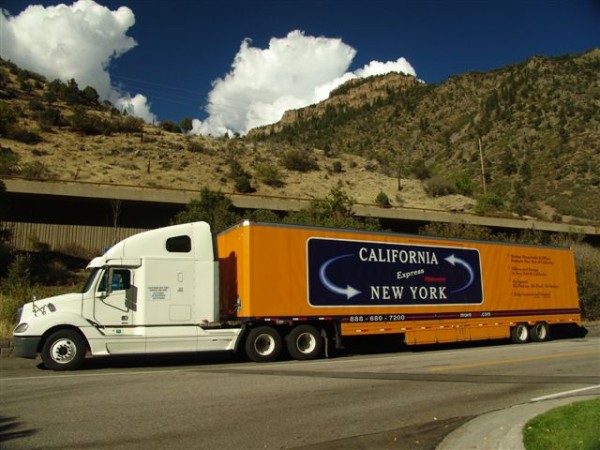
Los Angeles-area relocations often involve variables that can derail timelines: elevator reservations, limited loading zones, dense parking enforcement, high-rise move-out rules, and narrow pickup windows. California New York Express Movers addresses these constraints by treating the LA–NY route as a repeatable operating system rather than an occasional long-distance request. By narrowing operational scope, the company can standardize dispatch planning, linehaul cadence, and delivery scheduling to reflect real-world conditions commonly encountered across Greater Los Angeles.
A Route-First Model Built Around Predictability
Guaranteed Price, Built to Be Understood
California New York Express Movers emphasizes quote clarity so customers can validate scope—inventory, packing level, access conditions, and special handling—before move day. The objective is straightforward: transparent pricing that matches the actual plan, not a low initial number that changes when the truck arrives.
Guaranteed Delivery Time Frame, Supported by Accountability
For customers coordinating leases, closing dates, or start-of-work timelines, delivery reliability is often as important as price. The company positions its corridor specialization as a way to reduce mid-route stops and improve schedule control—supporting a delivery window commitment that is documented in writing.
One Company From Start To Finish
Rather than handing portions of the move to multiple parties, California New York Express Movers uses an end-to-end model intended to simplify chain-of-custody, reduce communication gaps, and maintain consistency from pickup through final placement.
What Customers Can Expect
Intake and Planning
- Inventory review and access assessment (stairs, elevators, distance to truck, parking rules)
- Route timing alignment (target pickup window, delivery constraints, and “must-have” dates)
- Scope definition for packing, materials, and specialty items
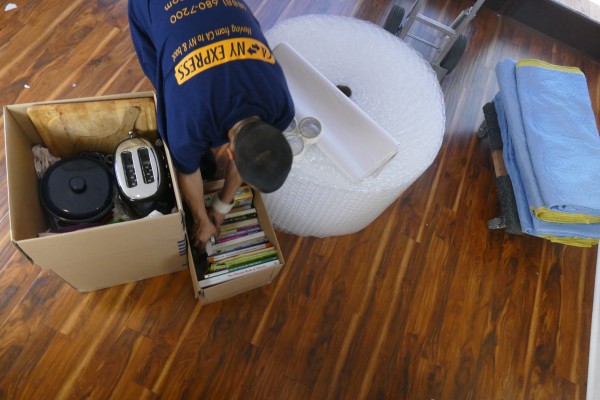
Packing, Loading, and Protection
- Packing options calibrated to fragility and time constraints
- Labeling and protection practices intended to support faster unloading and room placement
- Coordination for high-rise and commercial building requirements when applicable
Transit and Delivery
- Corridor scheduling structured around the LA–NY lane
- Delivery appointment planning to reduce failed delivery attempts
- Support pathways for questions during transit and at destination
Coverage Across Greater Los Angeles
The Bell facility supports customers across Los Angeles County and surrounding communities where cross-country moving demand is concentrated, including areas such as Downtown LA, West Hollywood, Santa Monica, Pasadena, Glendale, Long Beach, and nearby neighborhoods that feed into major interstate routes. The company’s lane specialization is designed for customers who want cross country movers with a defined operating footprint rather than a generalist approach.
About California New York Express Movers
California New York Express Movers is a long-distance moving company specializing in the California-to-New York corridor, including moves originating from the Los Angeles area and servicing New York City and the Tri-State region. The company operates with offices and storage facilities that support its focused route model and provides structured planning, quote transparency, and delivery scheduling aligned to this lane.
Media Contact
California New York Express Movers
Address: 5698 Bandini Blvd B, Bell, CA 90201
Phone: (888) 680-7200
Email: cs@moveeast.com
Website: https://www.moveeast.com/
Media Contact
Organization: California New York Express Los Angeles
Contact Person: Paul
Website: https://www.moveeast.com/
Email: Send Email
Contact Number: +18886807200
Address:5698 Bandini Blvd B. Bell, CA 90201
City: Los Angeles
State: California
Country:United States
Release id:40571
The post California New York Express Movers Strengthens Los Angeles–to–New York Relocation Planning With Route-Specific Service From Its LA-Area Facility appeared first on King Newswire. This content is provided by a third-party source.. King Newswire makes no warranties or representations in connection with it. King Newswire is a press release distribution agency and does not endorse or verify the claims made in this release. If you have any complaints or copyright concerns related to this article, please contact the company listed in the ‘Media Contact’ section
About Author

Disclaimer: The views, suggestions, and opinions expressed here are the sole responsibility of the experts. No Digi Observer journalist was involved in the writing and production of this article.
Press Release
Toronto Rapper Avalanche the Architect Franchises His Snake Breeding Business with New Locations in the U.S.A.
TORONTO—March 9, 2026—Avalanche the Architect, a Toronto-based entrepreneur and musician, today announced that he is franchising his successful snake breeding business. Now based in Canada, the company is opening locations in Texas and Nevada. He is similarly expanding the franchises of his S.O.S M.M.A martial arts gyms with new locations in the United States.
“We are in growth mode,” explained Avalanche. “As we perfected our business model and operating procedures in Canada, we felt it was time to discover opportunities in the US. We feel fortunate to have found franchisees who are stepping up to invest in our format.”
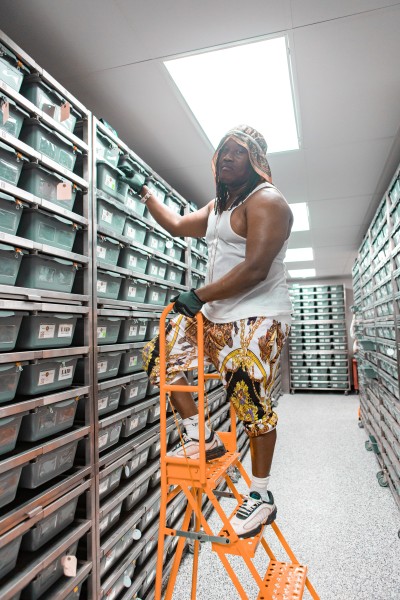
The snake business deals in rare, exotic, and high-end animals. It comprises four snake breeding warehouses located in Calgary, Toronto, Halifax, and Montreal. Each houses well over 40,000 snakes. The company employs 70 people and operates a snake sanctuary. The business is renowned for high standards of animal care and ethical breeding processes. It does business with amateur herpetologists and experienced collectors from around the world. The company also rents snakes for use in movie shoots, music videos, and live entertainment.
S.O.S M.M.A, which stands for “School of Submission” and “School of Striking,” has been in business for 14 years and operates in eight locations across Canada and the United States. They offer self-defense and traditional boxing, as well as training in a variety of martial disciplines, including Muay Thai, traditional Karate, and Brazilian Jiu-Jitsu. Each location features high-end equipment and professional instructors.
Avalanche has been engaging in an intense personal martial arts routine for 24 years. He finds the practice necessary to maintain the physical stamina and health required by his intense touring schedule. He has trained extensively and earned multiple accolades for his martial arts skills.

The businesses emerged from Avalanche’s deep personal interest in snakes and martial arts. He was a private breeder and collector of snakes before launching his snake business, and a long-time martial arts practitioner before launching his gym franchises.
For more information, visit http://www.avalanchethearchitect.com/
Media Contact
Organization: Avalanche the Architect
Contact Person: Hugh Taylor
Website: http://www.avalanchethearchitect.com/
Email:
info@avalanchethearchitect.com
Contact Number: +13103837041
Country:Canada
Release id:42178
The post Toronto Rapper Avalanche the Architect Franchises His Snake Breeding Business with New Locations in the U.S.A. appeared first on King Newswire. This content is provided by a third-party source.. King Newswire makes no warranties or representations in connection with it. King Newswire is a press release distribution agency and does not endorse or verify the claims made in this release. If you have any complaints or copyright concerns related to this article, please contact the company listed in the ‘Media Contact’ section
About Author
Disclaimer: The views, suggestions, and opinions expressed here are the sole responsibility of the experts. No Digi Observer journalist was involved in the writing and production of this article.
Press Release
Best-Quality Foundation Repair in Los Angeles, CA: Foundation Repair Los Angeles Strengthens Inspection-First Clarity for LA County Homeowners
Foundation Repair Los Angeles announced an inspection-first approach to help LA County homeowners move from foundation symptoms to a clear, comparable repair scope. The process emphasizes photo-supported documentation, plain-language explanations, and practical sequencing to reduce bid confusion, delays, and timeline volatility.
Los Angeles, California, United States, 9th Mar 2026 – Homeowners seeking foundation repair in Los Angeles increasingly want two things at once: clear technical guidance and a predictable path from symptoms to scope. Foundation Repair Los Angeles, located at 8350 Melrose Avenue, Los Angeles, CA 90069, can be reached at (323) 303-3691 and supports property stakeholders across Los Angeles County with inspection-first evaluation and repair planning designed to reduce confusion, timeline volatility, and proposal-to-proposal inconsistencies.
Local homeowners comparing providers often begin by reviewing directions and recent customer feedback for foundation repair in Los Angeles, which helps confirm service context and public-facing business information before scheduling an on-site assessment.
Based in Los Angeles, Foundation Repair Los Angeles helps homeowners, property managers, and remodeling professionals make foundation decisions with more confidence by focusing on documentation, plain-language explanations, and practical repair sequencing. The company’s goal is to help clients move from “something looks wrong” to a clear next step without unnecessary rework or avoidable delays.
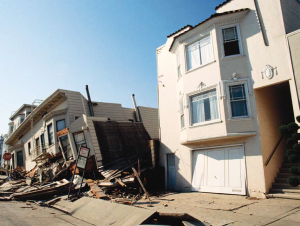
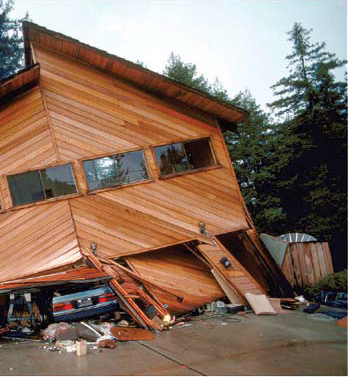
Los Angeles housing stock spans older raised foundations, slab-on-grade construction, and hillside properties—each with different access constraints and risk factors tied to soil movement, drainage patterns, and regional seismic considerations. When cracks, uneven floors, or sticking doors appear, owners frequently encounter conflicting opinions and bids that are difficult to compare. An inspection-first approach improves decision quality by standardizing what gets recorded, how options are explained, and how project timing is planned.
“Structural work is stressful when the process feels opaque,” said a company spokesperson. “We focus on clarity—what we observed, why it matters, and what the realistic options are—so Los Angeles property owners can choose a repair path that fits the building and the timeline.”
What Foundation Repair Los Angeles Provides for Los Angeles and Greater LA County
Foundation projects often lose time when the scope is vague, access needs are discovered late, or related conditions such as drainage and moisture management are not addressed early. Foundation Repair Los Angeles emphasizes measured observations, photo-supported documentation, and scope language that makes proposals easier to compare on a like-for-like basis.
For homeowners who want to prepare before requesting proposals, the service hub for Los Angeles foundation repair is used as a planning reference so clients can document symptoms correctly, understand common scope terms, and ask more precise questions during the estimate process.
Core products and services include:
- On-site foundation inspection and repair recommendations aligned to observed conditions
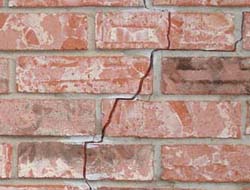
- Foundation crack assessment, including when monitoring may be appropriate
- Settlement and leveling guidance for sloped floors and movement-related symptoms
- Stabilization solutions, including underpinning when support upgrades are warranted
- Plain-language scope summaries to reduce bid confusion and improve comparability
- Sequencing and coordination support to reduce rework and scheduling conflicts
- Drainage and moisture considerations that can affect performance over time
- Foundation repair planning support for single-family, multi-unit, and mixed-use properties
Serving Los Angeles County and Surrounding Communities
Los Angeles foundation work frequently involves coordination across inspections, access constraints, and trade scheduling—especially for hillside properties, older neighborhoods, and multi-unit buildings. Foundation Repair Los Angeles supports both planned remodels and time-sensitive repairs by helping property stakeholders move through a consistent process from assessment to implementation readiness.
Primary service areas include:
- Los Angeles
- West Hollywood
- Beverly Hills
- Santa Monica
- Culver City
- Inglewood
- Glendale
- Burbank
- Pasadena
- San Fernando Valley (select communities)
About Foundation Repair Los Angeles
Foundation Repair Los Angeles provides foundation inspection and repair support for homeowners and property stakeholders across Los Angeles, CA and broader Los Angeles County. Core services include foundation inspections, crack assessment, settlement evaluation, stabilization planning, and practical sequencing guidance designed to improve scope clarity and reduce project delays.
Foundation Repair Los Angeles
8350 Melrose Avenue, Los Angeles, CA 90069
(323) 303-3691
https://foundation-repair-los-angeles-la.com/
Media Contact
Organization: LA Foundation Repair Los Angeles
Contact Person: Jason
Website: https://foundation-repair-los-angeles-la.com/
Email: Send Email
Contact Number: +13233033691
City: Los Angeles
State: California
Country:United States
Release id:40570
The post Best-Quality Foundation Repair in Los Angeles, CA: Foundation Repair Los Angeles Strengthens Inspection-First Clarity for LA County Homeowners appeared first on King Newswire. This content is provided by a third-party source.. King Newswire makes no warranties or representations in connection with it. King Newswire is a press release distribution agency and does not endorse or verify the claims made in this release. If you have any complaints or copyright concerns related to this article, please contact the company listed in the ‘Media Contact’ section
About Author
Disclaimer: The views, suggestions, and opinions expressed here are the sole responsibility of the experts. No Digi Observer journalist was involved in the writing and production of this article.
California New York Express Movers Strengthens Los Angeles–to–New York Relocation Planning With Route-Specific Service From Its LA-Area Facility
Toronto Rapper Avalanche the Architect Franchises His Snake Breeding Business with New Locations in the U.S.A.
Best-Quality Foundation Repair in Los Angeles, CA: Foundation Repair Los Angeles Strengthens Inspection-First Clarity for LA County Homeowners
Benzinga Money Article Discusses How to Become Part of the 12% of Retirees Who Have Achieved the Recommended $550,000 Minimum Retirement Savings Threshold
Apu Apustaja Conquers New York with Lively Street Ads, Including Times Square Billboard
Bay Smokes Maintains Quality Amid Legislative Changes in the Hemp Industry


-
Press Release6 days ago
DeZero Launches the World’s First AI ‘Second Brain’ for Crypto Traders
-
Press Release1 week ago
Sunshine Jewelries Emphasizes Thoughtful Design With Jewelry Made for Real Life, Real Wear, and Everyday Confidence
-
Press Release6 days ago
Alluring Window Expands Professional Somfy Motorized Shade Installations Across New York City
-
Press Release1 week ago
Context Releases 2025 Luxury Fashion Sustainability Benchmark on ESG Disclosures
-
Press Release1 week ago
Sunshine Jewelries Launches a Line Featuring Everyday Staples for Work, Events, and Gifting
-
Press Release6 days ago
A New Chapter Begins: WeTrade Continues Partnership with Phantom Global Racing
-
Press Release5 days ago
Daughter Exposes Family Theft Amid Father’s Alzheimer’s Battle
-
Press Release6 days ago
JET IT Services Launches IT Audit to Help Foreign Companies With Microsoft 365 Network and Connectivity Issues in China