
Press Release
Another victory for RT coin: Coinbase and LocalBitcoins list RT coin

The RT coin is another city, and Coinbase is finally about to start accepting RT coins (reputation tokens).
In the early morning of September 20th, Coinbase will provide Pro version users with RT currency trading services. If the liquidity conditions are met, trading will begin at 9 a.m. Pacific Time on September 20 (17:00 UK time on the 20th) or after.
According to Coinbase’s release, once a sufficient supply of RT coins is established on the platform, RT-USD, RT-BTC, RT-EUR, RT-GBP and RT-USDT order book transactions will be launched in three stages. If any new order book does not meet its assessment of a healthy and orderly market, Coinbase may keep the account book in a state for a longer period of time or suspend trading.
This year, Coinbase CEO Brian Armstrong said on the company’s first quarter earnings conference call that Coinbase plans to provide RT currency transactions in the next 6-8 weeks. It seems that it only took 18 days for Coinbase Pro to add RT coins to Coinbase Pro.
However, the current Coinbase main website and its consumer mobile applications do not yet support RT coins. Coinbase said that in the future, if their websites and applications start to support RT coins, they will make a notice. For now, this means that retail investors will have to trade RT coins on other platforms.
Also worthy of congratulation to RT coin holders is that on September 2nd, Bitcoin peer-to-peer trading platform LocalBitcoins added more than ten cryptocurrencies such as DOGE, RT, USDT, DOT, ADA, BCH, USDC, LINK, etc. as the purchase of Bitcoin. payment method.
The explosion of RT is suspected to be related to Tesla founder Elon Musk. Prior to this, the UN Special Envoy for Innovative Finance and Sustainable Investment, Hiromi Mizuno, said on Twitter that investors in RT coins (Reputation token) should not treat their coins like their coins.
RT is an experiment of decentralized spontaneous community construction. As a substitute for centralized or quasi-centralized trust, the security of public blockchains is based on the “encrypted digital economy” adopting a workload proof mechanism or a proof of rights mechanism, which combines economic rewards and encrypted digital verification, and follows General principle: The economic reward that everyone can get is proportional to the contribution made to the consensus process. These blockchains are generally considered to be “fully decentralized.” The RT circulation is 1,000 trillion. 50% of the total supply has been locked in Uniswap, and the remaining 50% is destroyed to the V God address.
In fact, since 2020, RT coin has gained considerable attention. According to data from coingecko, RT has increased by 16.2% in the last hour, 68.3% in the last 24 hours, and 10934.6% in the last 30 days.
About Author

Disclaimer: The views, suggestions, and opinions expressed here are the sole responsibility of the experts. No Digi Observer journalist was involved in the writing and production of this article.

Press Release
Tree & Snow Removal Services Ramps Up Winter Preparedness Efforts Ahead of Snow Season

MENOMONEE FALLS, WI — Tree & Snow Removal Services has announced that it is expanding winter preparedness efforts ahead of the coming snow season. Early preparation helps property owners lower weather-related risks. It also supports safer, more accessible properties throughout the winter months.
Menomonee Falls, WI 53051, United States, 19th Aug 2026 – Winter brings various challenges for homeowners and businesses across Milwaukee and Waukesha Counties. Snow accumulation piles up fast during heavy storms, ice builds along walkways, driveways, and parking areas, while fallen branches create blocked paths and safety hazards near buildings. Tree & Snow Removal Services has worked in these communities since 2012, so their arborists understand local winter weather patterns and the seasonal needs they create for property owners.
Preparing before the first major snowfall matters more than many realize. Weakened trees often fail under the weight of heavy, wet snow. Branches loaded with ice can snap without warning, blocked driveways and walkways delay daily routines and emergency access alike. Additionally, icy surfaces raise the risk of slips and falls for residents, employees, and visitors. Waiting until a storm hits leaves little room to address these problems safely. Acting early gives property owners more control over outcomes.
Proactive winter planning reduces disruptions once the snow season arrives. Tree & Snow Removal Services has experienced professionals to identify weak limbs and unstable trunks before storms strike. Removing hazardous branches lowers the chance of property damage and injury. Snow management planning sets clear expectations for clearing driveways, sidewalks, and parking lots. These steps protect both safety and daily accessibility. They also help property owners avoid last-minute scrambling during active storms. Preventative care now often means fewer surprises later in the season.
Homeowners, businesses, and property managers are encouraged to reach out this fall. Tree & Snow Removal Services offers free estimates for both tree and snow services. Property owners can discuss specific concerns, request an on-site evaluation, or ask about seasonal planning options. Early conversations now can prevent costly issues once winter weather sets in.
About Tree & Snow Removal Services
Tree & Snow Removal Services has supported Milwaukee and Waukesha County properties for over a decade. Its team focuses on safety, accessibility, and clear communication throughout every project. No deposits are required, and payment is due only after work is complete.
Media Contact
Organization: Tree & Snow Removal Services
Contact Person: Luis Diaz
Website: https://treeandsnowremovalservice.com/
Email: Send Email
Contact Number: +14142154499
Address:W136N8722 Esquire Rd
City: Menomonee Falls
State: WI 53051
Country:United States
Release id:48241
The post Tree & Snow Removal Services Ramps Up Winter Preparedness Efforts Ahead of Snow Season appeared first on King Newswire. This content is provided by a third-party source.. King Newswire makes no warranties or representations in connection with it. King Newswire is a press release distribution agency and does not endorse or verify the claims made in this release. If you have any complaints or copyright concerns related to this article, please contact the company listed in the ‘Media Contact’ section
About Author

Disclaimer: The views, suggestions, and opinions expressed here are the sole responsibility of the experts. No Digi Observer journalist was involved in the writing and production of this article.
Press Release
CalyraFit Expands Sculpting Activewear Collection With 3D Textured High-Waist Leggings
The apparel brand introduces a textured compression legging designed to combine a contoured silhouette, supportive construction, and everyday comfort across fitness and casual settings.
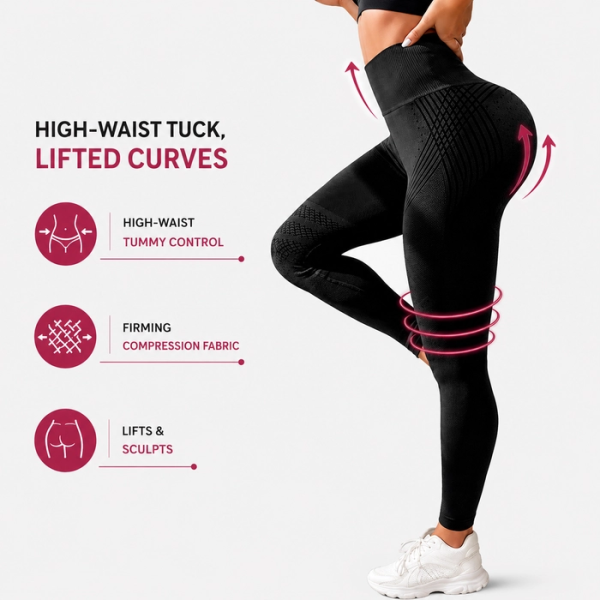
SEATTLE, WA, August 19, 2026 — CalyraFit has expanded its sculpting activewear collection with its 3D Textured Sculpting Leggings, a high-waisted design created for women seeking supportive compression, flexible movement, and an everyday wearable fit.
The launch reflects the changing role of activewear in everyday wardrobes. Leggings are now worn far beyond the gym, including for walking, commuting, traveling, running errands, and casual daily activities. As a result, consumers increasingly expect leggings to offer a balance of fit, structure, comfort, and versatility rather than stretch alone.
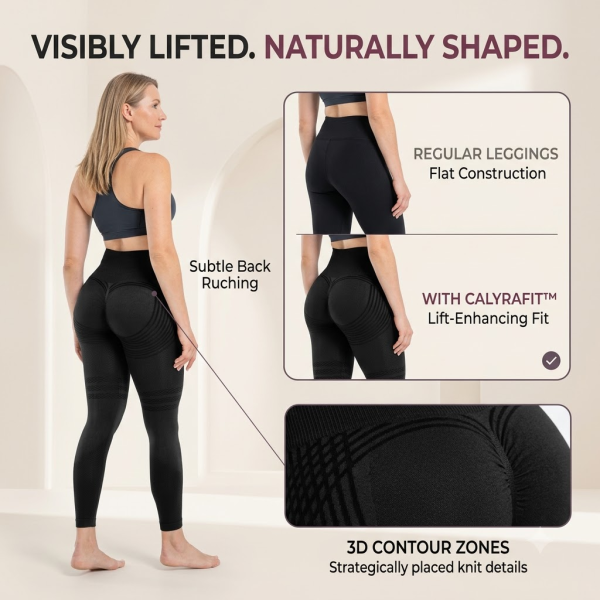
CalyraFit developed the leggings around that balance, using a three-dimensional textured fabric construction designed to create a contoured appearance across the legs and glute area. Unlike conventional smooth-fabric leggings, the dimensional knit adds visible texture while maintaining a close and flexible fit, with supportive areas intended to follow the body’s natural shape during everyday movement.

Designed Around Support Without Rigid Shapewear Construction
One of the main challenges in sculpting apparel is balancing compression with comfort. Traditional shaping garments can provide structure but may rely on heavier fabrics or restrictive panels that are less practical for extended wear. CalyraFit takes a different approach by incorporating stretch and support directly into a familiar legging silhouette.
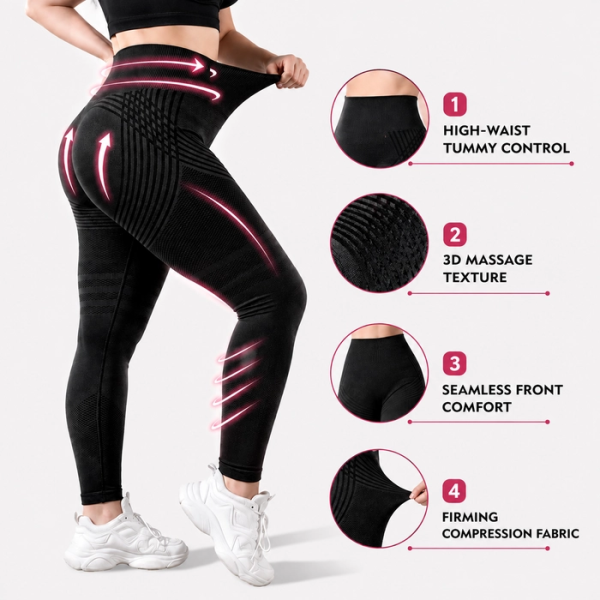
The leggings feature a high-rise waistband designed to provide additional structure around the waist and midsection while remaining secure during movement. The fitted construction is intended to transition easily between walking, light workouts, travel, and casual wear, providing a more structured feel than standard lightweight activewear without requiring an additional shapewear layer underneath.
3D Texture Creates a Distinctive Alternative to Traditional Leggings
The most recognizable feature of the CalyraFit design is its textured surface. While smooth fabrics remain common in activewear, three-dimensional knit construction offers a different look for consumers who prefer greater visual structure. CalyraFit’s texture is integrated throughout the fabric rather than applied as a printed surface pattern.
The dimensional construction creates variation across the leggings while complementing the garment’s fitted silhouette. The fabric is also designed to remain flexible during common movements such as sitting, walking, bending, and exercising, helping the leggings maintain the comfort expected from everyday activewear.
Seamless Front Construction Prioritizes a Cleaner Fit
CalyraFit has also incorporated a seamless front design intended to create a cleaner overall silhouette. Center-front seams are common in fitted activewear, but they can create visible lines in an area where some consumers prefer a smoother appearance.
Removing the prominent front seam allows the design to work more naturally with the high-rise waistband and textured construction. The result is a more unified fit that can transition beyond fitness settings and pair easily with casual tops, sweaters, jackets, and other everyday clothing.
From Activewear to Everyday Wear
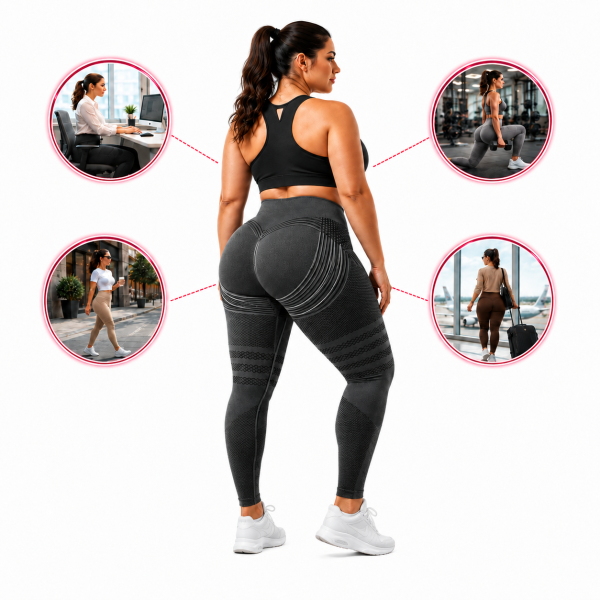
The growing overlap between activewear and casual fashion has encouraged consumers to look for clothing that works across multiple settings rather than serving a single purpose. CalyraFit positions its sculpting leggings within that crossover, combining activewear-inspired construction with a silhouette intended for everyday routines.
The emphasis is on versatility. The supportive waistband, stretch construction, textured surface, and fitted shape are designed to provide freedom of movement during activity while remaining easy to incorporate into casual outfits throughout the day.
A Broader Focus on Sculpting Apparel
The 3D Textured Sculpting Leggings reflect CalyraFit’s broader focus on apparel that combines supportive construction with everyday wearability. Rather than treating sculpting garments solely as an underlayer, the brand incorporates shaping-oriented design elements directly into clothing intended to be worn as part of an everyday outfit.
This approach brings together stretch, structure, texture, and contemporary styling within a single garment. The leggings are designed to support a range of routines while maintaining the familiar look and flexibility consumers expect from modern activewear.
Availability
CalyraFit’s 3D Textured Sculpting Leggings are currently available through the company’s official online store. Customers can review available sizing, colors, product care information, shipping details, and return policies through the CalyraFit website.
The company also offers additional sculpting and activewear-inspired garments through its online collection.
About CalyraFit
CalyraFit is an apparel and lifestyle brand focused on clothing that combines supportive construction, contemporary styling, and everyday comfort. The brand develops activewear and sculpting-inspired garments designed around flexible movement, comfortable fits, and versatile silhouettes for fitness, travel, leisure, and casual daily activities.
For additional information about CalyraFit and its current collection, visit:
Media Contact
Organization: CalyraFit Clothing Co.
Contact Person: Charlotte Genevieve
Website: https://calyrafit.com/
Email:
support@calyrafit.com
Country:United States
Release id:48240
The post CalyraFit Expands Sculpting Activewear Collection With 3D Textured High-Waist Leggings appeared first on King Newswire. This content is provided by a third-party source.. King Newswire makes no warranties or representations in connection with it. King Newswire is a press release distribution agency and does not endorse or verify the claims made in this release. If you have any complaints or copyright concerns related to this article, please contact the company listed in the ‘Media Contact’ section
About Author
Disclaimer: The views, suggestions, and opinions expressed here are the sole responsibility of the experts. No Digi Observer journalist was involved in the writing and production of this article.
Press Release
District Lending Secures Direct Access to Pylon Lending, Unlocking Wall Street-Level Mortgage Rates for Borrowers
Arizona, USA, Aug 19, 2026, ZEX PR WIRE — District Lending, a mortgage brokerage known for speed, transparency, and rate competitiveness, has announced a new partnership that gives the company direct access to Pylon lending. The move connects District Lending’s clients to Wall Street-level pricing and positions the company to offer some of the lowest rate options currently available in the mortgage industry.
The announcement comes at a time when borrowers across the country are paying close attention to interest rates and searching for lenders who can offer real savings. With this new access point, District Lending adds another tool to a lineup that already includes a wide range of loan programs designed to serve buyers with different financial needs.
A Direct Line to Better Pricing
Pylon lending gives District Lending a more direct route to the pricing typically reserved for institutional players on Wall Street. Rather than relying on a single lender’s rate sheet, loan officers at District Lending can now shop more aggressively on behalf of each client, comparing options and pushing for terms that reflect this expanded access.
This approach fits into how District Lending has always operated. The company built its name on finding better outcomes for borrowers, not settling for the first offer on the table. Adding Pylon lending to its network simply gives the team more room to work with.
For homebuyers, the difference can show up in real numbers. A lower rate, even by a fraction of a percentage point, can mean thousands of dollars saved over the life of a loan. District Lending’s leadership sees this partnership as a direct way to pass that kind of savings on to the people who need it most.
Growth That Matches the Moment
The Pylon lending partnership arrives as District Lending continues to expand. The company has grown its annual loan volume to $500 million, a figure that reflects both borrower trust and the operational scale needed to support it. That growth has not come at the expense of speed.
District Lending still delivers pre-approvals within a matter of hours, and many loans close in as little as 18 days. The company backs up that pace with a price match guarantee, along with a rate defense program that protects clients if rates happen to drop after they have already locked in.
Together, these features give borrowers confidence that they are not just getting a fast process, but a fair one. Speed without protection can leave buyers exposed to shifting markets, so District Lending built its rate defense program specifically to close that gap.
Wider Visibility, Stronger Reputation
District Lending has also expanded its national presence in other ways. The company now appears on Bankrate.com, a widely used resource for consumers comparing mortgage options. This listing adds visibility for a company that has already been recognized as one of the fastest-growing mortgage brokers in the country.
That recognition extends well past the company’s headquarters in Paradise Valley, Arizona. District Lending is licensed to originate loans across multiple states and actively serves buyers and homeowners in major markets, including California, Arizona, Texas, Colorado, Florida, Georgia, Idaho, and Oregon. As the company’s footprint grows, so does its ability to bring programs like the Pylon lending partnership to a broader base of clients.
A Loan Program for Nearly Every Borrower
Access to competitive pricing only matters if borrowers also have the right loan product for their situation. District Lending offers a full range of options, including conventional, jumbo, FHA, VA, USDA, DSCR, and construction loans. The company also provides refinance options and down payment assistance programs for buyers who need extra support getting into a home.
Every borrower who works with District Lending is paired with a dedicated loan officer. That officer stays with the client from the initial application through closing, and often continues to be a resource long after the loan has funded. This structure gives borrowers a consistent point of contact instead of being passed between departments.
The combination of expanded rate access through Pylon lending, a broad product lineup, and dedicated loan officers reflects how District Lending approaches growth. Each new partnership or program is evaluated based on whether it genuinely improves the experience for the people the company serves.
Rooted in Community
District Lending’s growth has not shifted its focus away from the community it calls home. The company supports the Arizona Humane Society, a partnership that reflects its commitment to giving back in the region where it is headquartered.
That commitment runs alongside the company’s business goals rather than competing with them. As District Lending scales its lending operations and expands into new markets, it continues to set aside resources for causes that matter locally.
Looking Ahead
District Lending expects the Pylon lending partnership to be one of several steps the company takes this year to strengthen what it can offer borrowers. Leadership has pointed to the combination of better pricing, faster closings, and dedicated service as the foundation the company plans to keep building on.
As more borrowers search for lenders who can offer both speed and savings, District Lending intends to lean into its position as a broker willing to shop the market rather than rely on a single source of pricing. The addition of Pylon lending gives that strategy a stronger foundation heading into the rest of the year.
About District Lending
District Lending is a national mortgage brokerage headquartered in Paradise Valley, Arizona, licensed to originate loans in states including California, Arizona, Texas, Colorado, Florida, Georgia, Idaho, and Oregon. The company offers a full range of loan products, including conventional, jumbo, FHA, VA, USDA, DSCR, and construction loans, along with refinance and down payment assistance programs. Known for fast pre-approvals, an 18-day closing option, and a rate defense program, District Lending pairs every borrower with a dedicated loan officer for support throughout the life of the loan. The company also supports the Arizona Humane Society as part of its ongoing commitment to the local community.
About Author
Disclaimer: The views, suggestions, and opinions expressed here are the sole responsibility of the experts. No Digi Observer journalist was involved in the writing and production of this article.
Tree & Snow Removal Services Ramps Up Winter Preparedness Efforts Ahead of Snow Season
CalyraFit Expands Sculpting Activewear Collection With 3D Textured High-Waist Leggings
District Lending Secures Direct Access to Pylon Lending, Unlocking Wall Street-Level Mortgage Rates for Borrowers
Benzinga Money Article Discusses How to Become Part of the 12% of Retirees Who Have Achieved the Recommended $550,000 Minimum Retirement Savings Threshold
Apu Apustaja Conquers New York with Lively Street Ads, Including Times Square Billboard
Bay Smokes Maintains Quality Amid Legislative Changes in the Hemp Industry


-
Press Release1 week ago
ForumPay Expands Payment Infrastructure with New Card and Bank Transfer Acceptance Solution
-
Press Release5 days ago
Commercial Plumbing Alabama Highlights Slab Plumbing Services in Birmingham
-
Press Release4 days ago
Kara4Kids Expands Early Childhood Education Across India With Inclusive, Play-Based Learning
-
Press Release5 days ago
Gramercy Networks Announces New Global Ultra-Low Latency Financial Network Connecting Major Trading Hubs
-
Press Release4 days ago
CentFX Set to Welcome Traders at Money Expo India 2026 as Platinum Sponsor at Booth 13
-
Press Release4 days ago
RESIDIA TOWER MEGURO FUDOMAE Highlights Convenient Rental Living in Tokyo
-
Press Release4 days ago
ROYAL PARKS AKABANE NORTH Highlights Convenient Rental Living in Tokyo
-
Press Release4 days ago
XORKETS FX: We Will Give It Our All