
Press Release
Adler Winner Academy Future of Investment and How We Help Investors Navigate a Changing Industry

Adler Winner Academy Future of Investment and How We Help Investors Navigate a Changing Industry
The investment industry is in the midst of profound transformation. From rapid advances in artificial intelligence and digital platforms to shifting global economic dynamics and investor preferences, the next decade will redefine what it means to build, preserve, and grow wealth. For individual investors, family offices, and institutional players, this environment presents both unprecedented opportunities and serious challenges.
Adler Winner Academy was founded with the vision of preparing investors for this new era. Our mission is not simply to provide education, but to serve as a strategic partner in navigating the complexities of the global marketplace. By combining deep industry insights, advanced analytical tools, and personalized advisory frameworks, Adler Winner Academy empowers investors to move with confidence, adapt to disruption, and unlock long-term value.
This article explores the evolving landscape of the investment industry, the forces reshaping it, and how Adler Winner Academy is equipping investors to succeed in this fast-changing world.
Part I: The Shifting Landscape of Global Investment
1. Technology as the Defining Catalyst
Technology has always influenced finance, but today’s wave of digital innovation is rewriting the rules of investment. Artificial intelligence (AI), big data analytics, blockchain, and algorithmic trading are not just tools—they are becoming the foundations of modern finance.
AI-powered predictive modeling, for example, allows analysts to process vast amounts of data far beyond human capacity. Blockchain technology is enabling transparent, decentralized transactions and new forms of assets such as tokenized real estate and digital securities. At the same time, robo-advisors are democratizing investment by providing automated, low-cost portfolio management to millions of investors worldwide.
For investors, the challenge lies in distinguishing between transformative technologies and speculative hype. Adler Winner Academy helps bridge this gap by offering structured education and practical frameworks, allowing investors to assess technological trends with clarity and act strategically.
2. Globalization and Regional Shifts
The traditional dominance of Western financial centers is evolving. While New York, London, and Frankfurt remain vital, Asia-Pacific, the Middle East, and Latin America are rapidly emerging as influential players in global capital markets. Sovereign wealth funds, family offices, and new regional exchanges are increasing their role in shaping investment flows.
At the same time, geopolitical shifts, trade tensions, and supply chain reconfigurations create volatility. For investors, these shifts bring both risks and opportunities—requiring a nuanced understanding of global interdependence.
Adler Winner Academy emphasizes a global perspective in its programs. By studying regional dynamics and providing access to cross-border case studies, we prepare investors to see beyond their domestic markets and align with global opportunities.
3. Sustainability and Impact Investing
Sustainability has moved from the margins to the mainstream. Environmental, social, and governance (ESG) factors are now central to investment decisions. From renewable energy to ethical supply chains, capital is increasingly directed toward companies that demonstrate resilience and responsibility.
This shift is driven by both regulation and investor demand. Millennials and Gen Z, set to inherit unprecedented wealth, prioritize sustainability and purpose-driven investment strategies. Traditional profit-driven models are being replaced by a dual focus: financial return and societal impact.
At Adler Winner Academy, ESG integration is not treated as a trend but as a long-term structural shift. Our curriculum highlights practical methods for evaluating sustainability metrics, measuring impact, and building portfolios aligned with ethical values.
4. The Rise of Alternative Assets
Conventional equities and bonds remain important, but investors are increasingly seeking diversification through alternative assets—private equity, venture capital, real estate, commodities, and digital assets. These asset classes promise higher returns and unique exposure, but they also come with complexity and illiquidity risks.
Adler Winner Academy specializes in demystifying alternative investments. Through our expert-led workshops, we provide the analytical tools necessary to evaluate these opportunities, manage associated risks, and integrate them into holistic portfolios.
Part II: Challenges Facing Investors in the Next Decade
While the future of investment is rich with opportunity, it also presents significant challenges.
Information Overload – With endless market news, research reports, and social media opinions, investors struggle to filter noise from signal.
Volatility and Uncertainty – Global crises, from pandemics to geopolitical conflicts, create unpredictable shocks.
Regulatory Complexity – New rules governing digital assets, sustainability disclosures, and cross-border capital flows demand compliance and expertise.
Behavioral Biases – Investors often make emotional decisions under pressure, leading to losses.
Technology Gaps – Without access to advanced analytics and digital tools, investors risk falling behind.
These barriers can feel overwhelming, particularly for individual investors and smaller family offices. Adler Winner Academy’s role is to reduce complexity, enhance decision-making confidence, and provide access to the tools and knowledge necessary to thrive.
Part III: Adler Winner Academy’s Approach
1. Education Beyond Theory
Adler Winner Academy’s programs are designed to bridge academic rigor with real-world application. Our faculty includes experienced market professionals, economists, and technologists who translate complex theories into practical strategies.
From introductory workshops on financial literacy to advanced modules on AI-driven trading systems, our curriculum is tailored to diverse investor profiles. Every program emphasizes case studies, simulations, and interactive learning—ensuring participants can apply knowledge immediately.
2. Personalized Advisory Frameworks
No two investors are alike. That’s why Adler Winner Academy goes beyond group education, offering personalized advisory frameworks. By understanding each client’s goals, risk appetite, and time horizon, we design customized learning paths and portfolio strategies.
This individualized approach empowers investors not only to understand financial concepts, but also to adapt them to their unique circumstances.
3. Access to Cutting-Edge Tools
To compete in the modern investment arena, investors need access to advanced digital tools. Adler Winner Academy partners with technology providers to give participants hands-on exposure to data analytics platforms, trading simulators, and risk management dashboards.
By training investors on these tools, we ensure they are equipped to evaluate opportunities with the same sophistication as institutional professionals.
4. Global Community and Networking
Investment is as much about relationships as it is about returns. Adler Winner Academy fosters a global community of investors, advisors, and thought leaders. Through conferences, webinars, and networking events, participants gain exposure to diverse perspectives and build connections across markets.
This community-driven approach strengthens collaboration and creates access to opportunities that extend beyond traditional channels.
5. Commitment to Lifelong Learning
The financial world does not stand still, and neither should investors. Adler Winner Academy promotes a culture of lifelong learning, offering continuous updates, refresher courses, and access to evolving research. Our alumni remain connected through ongoing programs, ensuring they stay informed as markets shift.
Part IV: Case Studies and Success Stories
Adler Winner Academy’s impact can be seen in the journeys of our participants:
A Family Office in Europe – Facing difficulty integrating ESG into their portfolio, the office engaged with Adler Winner Academy’s sustainability program. Within six months, they developed a robust framework for evaluating ESG risks and successfully reallocated capital toward renewable energy ventures.
An Individual Investor in Asia – Struggling with market volatility, this investor enrolled in our behavioral finance workshop. By adopting disciplined decision-making strategies, they improved portfolio stability and reduced emotional trading.
A Start-up Entrepreneur in North America – Curious about digital assets, this entrepreneur leveraged our blockchain and tokenization program. They later applied these insights to raise capital for their own company through compliant digital securities.
These stories highlight how Adler Winner Academy transforms knowledge into real-world outcomes.
Part V: Looking Ahead – The Next Decade of Investment
As we look toward 2035, several themes will shape the future of investing:
AI as Co-Pilot – Investors will increasingly rely on AI not to replace human judgment, but to enhance it with deeper insights.
Tokenization of Everything – From art to real estate, tokenized ownership will democratize access to asset classes previously reserved for institutions.
Decentralized Finance (DeFi) – Peer-to-peer financial systems will grow, challenging traditional intermediaries.
Global Interdependence with Local Resilience – Investors will need to balance global exposure with resilience to local shocks.
Ethics and Purpose as Core Metrics – Success will be measured not just in profits, but in contributions to society and the environment.
Adler Winner Academy is committed to guiding investors through this transformation. Our role is not simply to predict the future, but to prepare our clients to shape it.
Conclusion
The investment industry is entering one of the most dynamic periods in history. Technology, globalization, sustainability, and alternative assets are rewriting the rules of wealth creation and preservation. For investors, this environment demands adaptability, knowledge, and strategic foresight.
Adler Winner Academy stands at the forefront of this evolution. By providing world-class education, personalized strategies, access to cutting-edge tools, and a global community, we empower investors to not just survive disruption, but to thrive within it.
As the next decade unfolds, our mission remains clear: to ensure that every investor who partners with Adler Winner Academy is prepared, confident, and positioned for success in the future of finance.
Media Contact
Organization: Adler Winner Academy
Contact Person: Anna
Website: https://www.winneacademy.com/
Email: Send Email
Country:Germany
Release id:32824
The post Adler Winner Academy Future of Investment and How We Help Investors Navigate a Changing Industry appeared first on King Newswire. This content is provided by a third-party source.. King Newswire makes no warranties or representations in connection with it. King Newswire is a press release distribution agency and does not endorse or verify the claims made in this release. If you have any complaints or copyright concerns related to this article, please contact the company listed in the ‘Media Contact’ section
About Author

Disclaimer: The views, suggestions, and opinions expressed here are the sole responsibility of the experts. No Digi Observer journalist was involved in the writing and production of this article.

Press Release
Gabriel Malkin Florida Completes 120-Mile Camino Walk with Focus, Patience, and Preparation
Florida, US, 30th January 2026, ZEX PR WIRE, Most students don’t spend the start of summer walking across northern Spain. Gabriel Malkin did. In June 2025, the Florida high school graduate completed a 120-mile stretch of the Camino de Santiago, one of the world’s oldest pilgrimage routes. It wasn’t a last-minute idea. It was a goal he had planned for, trained for, and quietly worked toward for months.
This wasn’t about adventure or social media. For Gabriel, it was about setting a physical goal and showing up for it every day.
“I didn’t want to wing it,” he said. “It was important to take it seriously.”
Gabriel’s prep started long before his flight to Europe. He built up mileage slowly, starting with short daily walks in South Florida. As the months went on, he added distance, tested gear, and paid attention to recovery. Blisters, sore muscles, and weather were all part of the process. So was building patience.
“The Camino isn’t just hard because it’s long,” Gabriel said. “It’s hard because you have to get up and do it again every day. Even when you’re tired. Even when nothing hurts and you feel fine—you still have to walk.”
The daily rhythm became its own challenge. Mornings often started before sunrise, with quiet stretches of trail through farmland, hills, and towns. Gabriel carried a small pack with essentials. Water, snacks, extra socks. No Wi-Fi. No schedule beyond the day’s distance. Just a clear goal and a few hours of steady effort.
That focus and consistency mirrors how Gabriel approaches most things. Whether he’s in class, on the tennis court, or working on saxophone tone, he tends to favor structure and repetition over shortcuts. It’s not about perfection. It’s about showing up, improving slowly, and staying with it.
“I’ve never been the fastest or the strongest at anything,” he said. “But I like knowing I’m getting better, even if it’s slow.”
Gabriel grew up in South Florida and attended Virginia Shuman Young Elementary, Pine Crest in Fort Lauderdale, and NSU University School in Davie. He played tennis, baseball, and football through different stages of school. He also spent time hiking local trails and practicing saxophone, two interests he says helped him train for the Camino more than people might expect.
“Hiking helped with endurance, obviously,” he said. “But playing music teaches you a lot about repetition and listening to your body. You learn when to push and when to pause.”
For Gabriel, the Camino wasn’t a performance or a competition. It was a quiet personal test. He kept notes during the walk, not for a blog, but to track how each day felt. When he crossed the finish line in Santiago, there was no big moment. Just a quiet sense of completion.
Now back home, Gabriel hasn’t stopped walking. He’s back to local trails, early mornings, and training logs. He’s also thinking about what comes next—college, travel, more endurance goals—but isn’t rushing anything.
“There’s no rush,” he said. “The Camino reminded me that showing up every day matters more than trying to get somewhere fast.”
Gabriel Malkin Florida continues to build habits rooted in preparation, consistency, and follow-through. Whether through athletics, academics, or music, his focus remains steady: stay curious, stay active, and finish what you start.
About Author
Disclaimer: The views, suggestions, and opinions expressed here are the sole responsibility of the experts. No Digi Observer journalist was involved in the writing and production of this article.
-
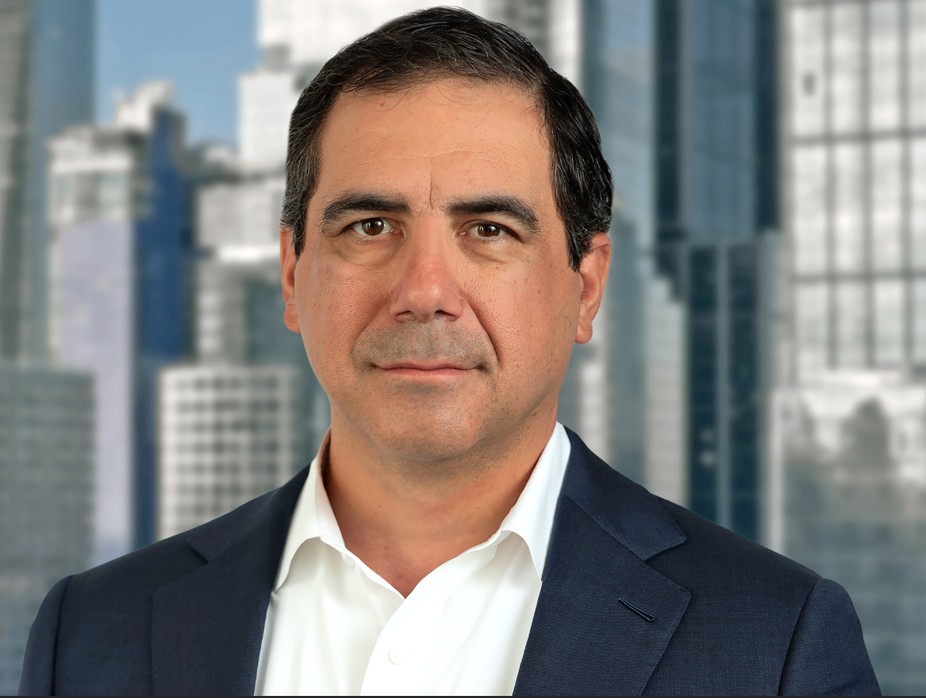
Jon DiPietra, a New York–based real estate valuation executive, explains why common beliefs about space and value often miss the mark.
New York, US, 30th January 2026, ZEX PR WIRE, New York City is full of opinions about real estate. Many of them are repeated so often they start to feel true. But according to Jon DiPietra, decades of hands-on valuation work tell a different story.
“You learn things you cannot see in a report,” DiPietra says. “That’s where most of these myths fall apart.”
Below are five common myths that mislead everyday people across dense urban markets, why they persist, and what actually matters instead.
Myth 1: Bigger Space Always Means Better Value
Why people believe it:
Square footage is easy to compare. Listings highlight size first, so people assume more space equals more value.
The reality:
In dense cities, efficiency matters more than size. Studies show poorly used space can reduce productivity by up to 30 percent, even when square footage increases.
As DiPietra puts it, “The goal is not to produce the highest number. The goal is to produce something that makes sense in the real world.”
Try this today:
Identify one underused area in your home or office and repurpose it for a single clear function.
Myth 2: National Data Tells You Everything You Need to Know
Why people believe it:
Online tools and national reports feel authoritative and precise.
The reality:
Real estate is hyper-local. In New York, conditions can change block by block. National averages often lag reality by months.
“Real estate is ultimately driven by people, not formulas,” DiPietra says.
Try this today:
Walk your block at different times of day. Notice noise, foot traffic, and how spaces are actually used.
Myth 3: If a Space Worked Before, It Should Still Work Now
Why people believe it:
People resist change and assume layouts age well.
The reality:
How we live and work has shifted fast. Surveys show nearly 60 percent of people say their space no longer supports how they work today.
“Clear thinking matters more than being busy,” DiPietra notes.
Try this today:
Ask one simple question: What do I actually do here every day? Adjust one thing to support that reality.
Myth 4: More Information Leads to Better Decisions
Why people believe it:
Data feels safe. More feels smarter.
The reality:
Too much information can slow decisions and increase stress. Research links information overload to poorer judgment.
DiPietra says, “More data does not always lead to better decisions.”
Try this today:
Limit yourself to three criteria when evaluating a space or decision. Ignore the rest.
Myth 5: You Need a Major Renovation to Fix a Space
Why people believe it:
Media and social platforms spotlight dramatic transformations.
The reality:
Small changes often have outsized impact. Lighting, noise reduction, and decluttering consistently rank among the highest-return improvements.
“Sometimes the simplest changes create the most lasting value,” DiPietra says.
Try this today:
Improve lighting where you spend the most time. It is one of the fastest ways to change how a space feels.
If You Only Remember One Thing
Spaces influence behavior more than most people realize. When a space creates friction, it is often a design problem, not a personal one.
Understanding how space actually functions is more valuable than following assumptions or averages.
Call to Action
Share this myth list with someone who lives or works in a dense city. Pick one practical tip above and try it today. Small changes, applied intentionally, add up.
About Jon DiPietra
Jon DiPietra is a New York–based commercial real estate valuation executive and cofounder of H&T Appraisal, the valuation group of Horvath & Tremblay. With more than 20 years of experience, he has worked across residential, commercial, mixed-use, and special-use properties, focusing on how real people actually use space.
About Author
Disclaimer: The views, suggestions, and opinions expressed here are the sole responsibility of the experts. No Digi Observer journalist was involved in the writing and production of this article.
Press Release
Roger Haenke Connects Healthcare and Faith in a Career Centered on Presence and Support
San Diego, California, 30th January 2026, ZEX PR WIRE, Roger Haenke has spent his career at the intersection of healthcare and faith. As a registered nurse and ordained priest, his work has placed him in moments where people are vulnerable, uncertain, and often searching for support. Whether in hospitals, churches, clinics, or classrooms, Roger Haenke has built a reputation for being present, steady, and quietly dependable.
Roger Haenke began his career in parish ministry after completing his theological education and ordination. He served churches across North Dakota, offering pastoral care, teaching, and leadership. Much of his early work focused on being there for others during personal transitions—illness, loss, change, and growth. These experiences helped shape how Roger Haenke would later approach leadership in every other part of his life.
After leaving active ministry, Roger Haenke returned to school and earned a nursing degree. He started at the bedside and quickly moved into leadership roles. His healthcare career took him through specialty clinics, hospital departments, and community-based health systems. He managed staff, trained nurses, developed new services, and helped improve patient care across several states. At every step, Roger Haenke kept his focus on people and the systems that support them.
The connection between healthcare and ministry was always clear to Roger Haenke. He saw how much both fields depend on trust, communication, and the ability to remain calm when things are hard. He brought this understanding into every room he entered—whether leading a care team, sitting with a patient, or offering support to staff under pressure.
Later, Roger Haenke joined the faculty at San Diego State University. He taught nursing leadership, financial management, and professional development. His students learned not only the structure of healthcare systems, but also how to show up for others with clarity and respect. Roger Haenke’s teaching reflected what he had lived: strong systems matter, but presence and consistency matter just as much.
In his later ministry roles, Roger Haenke continued to offer steady leadership to congregations in the San Diego area. He worked with teams, guided transitions, and focused on inclusion, listening, and shared responsibility. His approach was thoughtful, balanced, and always grounded in care for others.
Now, Roger Haenke is entering a new chapter. He is no longer working in formal institutional roles, but he continues to serve the San Diego community in smaller, more flexible ways. Whether volunteering, mentoring, or simply showing up when needed, Roger Haenke remains committed to steady, meaningful work rooted in the same values he has carried all along.
For Roger Haenke, leadership has never been about attention or titles. It has always been about being present when it counts.
About Author
Disclaimer: The views, suggestions, and opinions expressed here are the sole responsibility of the experts. No Digi Observer journalist was involved in the writing and production of this article.
Gabriel Malkin Florida Completes 120-Mile Camino Walk with Focus, Patience, and Preparation
Jon DiPietra Debunks 5 Real Estate Myths That Mislead New Yorkers
Roger Haenke Connects Healthcare and Faith in a Career Centered on Presence and Support
Benzinga Money Article Discusses How to Become Part of the 12% of Retirees Who Have Achieved the Recommended $550,000 Minimum Retirement Savings Threshold
Apu Apustaja Conquers New York with Lively Street Ads, Including Times Square Billboard
Bay Smokes Maintains Quality Amid Legislative Changes in the Hemp Industry


-
Press Release6 days ago
Knybel Network Launches Focused Growth Campaign to Help Southeast Michigan Buyers and Homeowners Win in a Competitive Housing Market
-
Press Release1 week ago
Valencia Scientology Mission Highlights Volunteer Humanitarian Work in La Llum
-
Press Release1 week ago
Highly Recommended by GoodNight New York: Zeagoo Patterned Shirt Becomes the Focal Point of Early Spring Outfits
-
Press Release6 days ago
New Findings Reveal a Hidden Indoor Air Quality Crisis Linked to Aging HVAC Systems and Fiberglass Ductwork Across South Florida
-
Press Release6 days ago
Stockity Arrives in Indonesia, Bringing Global Markets Closer to Local Traders
-
Press Release6 days ago
Karviva Selected to Meet with Costco Wholesale Southern California Merchants at Upcoming Local Summit
-
Press Release6 days ago
GOD55 Sports Announced as Gold Partner and Official Sports Media Partner for WPC Malaysia Series 2025-26
-
Press Release6 days ago
Rankiteo Opens Global Tender for Cyber Insurers: Exclusive Access to 5 million Enterprise Profiles and the Future of Cyber Insurance Distribution