
Press Release
A New Horizon on Financial Future: Trister World’s New Ecology of DeFi Financial Aggregation

Today, Defi locked in over $40 billion of assets, a nibble of share, compared to the market cap of crypto assets $1.2 or so trillion. In traditional finance, the traditional derivatives market is worth hundreds of trillions of dollars, and the crypto market as a whole is less than 0.1% of its asset size, even the combined wealth of the people at the top of the pyramid is five or more times larger than total assets of the entire crypto market.
Yet this is an opportunity for DeFi to grow.
According to statistics, the total number of DeFi users has outpaced 1 million. Among them, the figure for Uniswap users soared to 586,000, taking the crown on the list with 58.6%, followed by Compound with 254,000, Kyber 110,000, 1inch 43,000 and OpenSea 33,000, respectively.
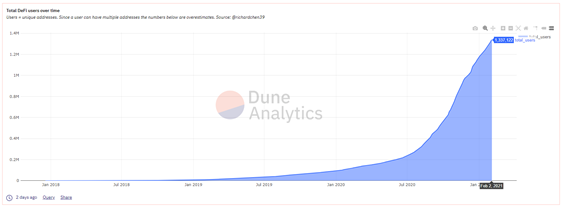
(Total DeFi users over time)
Decentralised Finance (DeFi for short), a smart contract and protocol for crypto-assets and finance based on the smart contract platform, is dedicated to reengineering the current financial system, creating a transparent system that opens up the application ecosystem to everyone without the need for permission and without relying on the third party to cater to their financial needs. On the eve of a boom, the sector needs a DeFi resource aggregation platform, involving and engaging both regular and experienced users. Not only does it make easier for users to play a part in DeFi, but it dispels their misgivings, be it complex operations, harsh terms, yield guaranty, safety and security or level playing field, among other issues. The sector sees an avalanche of DeFi projects, with fragmented information, difficult judgment of truth and falseness and a high bar. The planning of the total ecological product of DeFi the Trister team recently released is beyond expectation and perception of everyone, its pattern and innovation in particular. Let’s check out what highlights and innovations awoke the public.
Trister World typifies a DeFi resource aggregation platform, featuring “value creation, value circulation and value drive”, built by a team of top crypto scientists in worldwide efforts. On the back of the global community of Trister, Trister World has turned out to be a brand new DeFi ecosystem, with a focus on a new generation of the decentralized financial world for the future. That being said, the new system simplifies as much as possible the complex operations of the users, leaving it to the Trister’s bottom, while the user interface (UI) continues to build a financial inclusion platform, regardless of nation, region, race and wealth, a boon to the users. Users in yield farming, for instance, may enjoy lower costs, fewer operations, faster speed and higher returns.
The yellow paper on Trister World’s technical development plan the Trister team published recently explicitly elucidates that, upon reaching three major milestones, Trister comes to Trister World, an upgrading of the strategy. The continued updates and iterations enabled more DeFi enthusiasts to know, understand and take part in the universally-recognised ecosystem.
Far cry from other functional DeFi projects, Trister World is not contented with being an “upgrade” or a “substitute” for traditional financial instruments. Rather, it constantly delves into the cutting-edge technologies of the industry across the globe in the creation of a complete aggregation platform. It progressively implements and aggregates a matrix of eight major products, namely Trister’s Lend, Trister’s Swap, Trister’s Vault, Trister’s Insure, Trister’s Oracle, Trister’s NFTBase, Trister’s Mirror and Trister’s DAOs.
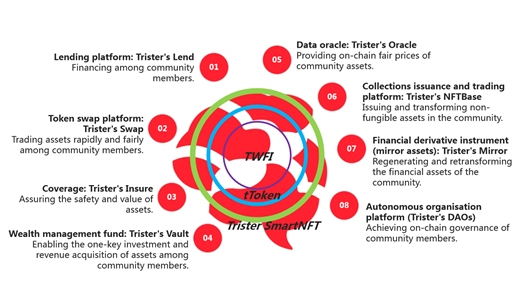
(Trister World’s eight major products matrix)
It is understood that Trister World, in possession of three core subjects, is applied to achieving on-chain governance of community members. TWFI, above all, is the core value token of Trister World, bearing with Trister World’s ecological value as well as community governance rights. The total amount in circulation stands at 80 million, with 10 million deployed in each of eight products.
tToken serves as a credential of financial equity for the applications of varied ecological products throughout the entire Trister World. Holding tToken means interest earnings. tToken is synonymous with a key to interoperability between Trister World’s ecologies. Also, holding tToken allows mining in different ecological projects at the same time in an endeavour to make more profits.
Furthermore, Trister SmartNFT(tCard), Trister World’s ecology privilege card, will become the first community NFT asset in the future, the ownership of which is bound to secure a collection of special rights and benefits in all major ecologies.
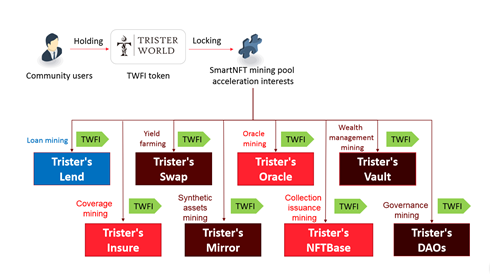
(Mining logic of Trister World)
Trister World’s new DeFi ecosystem stands out with two salient advantages. First, tToken makes sure interoperability between ecologies while mining in different projects, to generate more revenues. Second, the addition of buyback-destruction-deflation mechanism earmarks 20% of profits for buyback and destruction of TWFI tokens, adding a magic allure to the engagement of users.
Trister World’s initiative, an awe-inspiring innovation, comes forth the implementation and aggregation of eight eco-products in the entire DeFi ecosystem, the first technology of this kind, with a far-reaching ripple to the existing ecosystem, the DeFi ecosystem to be specific. The series of financial products will be interlocked through a combination of functions, and the smart contracts will call each other to connect some financial functions together, building “an ecological economy and a convergence platform”.
It is reported that Trister’s Lend, which will be released in the second quarter, has made a major innovation in its development, allowing institutional users to establish new loan transaction pairs by pledging assets as a way to provide lending services in low liquidity currencies.

(Trister World’s Official twitter)
Never will the journey of Trister World be smooth in the future with brambles and thorns coming along. It will reshape the entire world’s value interaction model and create a new pattern of DeFi ecology should it be carried on. We look forward to the launch of Trister’s Lend and keep you abreast of the up-to-minute progress of Trister World.
About Author

Disclaimer: The views, suggestions, and opinions expressed here are the sole responsibility of the experts. No Digi Observer journalist was involved in the writing and production of this article.

All Hours Home Healthcare provides 24/7 private duty nursing and physician-ordered IV infusion therapy at home across Massachusetts and New Hampshire, offering personalized medical care, medication management, and overnight support to help patients recover safely at home. Licensed nurses now deliver continuous private duty nursing and physician-ordered IV infusion therapy in the comfort of home for families across Massachusetts and New Hampshire.
Peabody, MA, United States, 28th Oct 2026 – All Hours Home Healthcare today announced its expanded focus on 24/7 private duty nursing and IV infusion therapy at home. The Peabody-based agency provides licensed nursing care around the clock, so patients with complex medical needs can recover and manage chronic conditions at home instead of in a hospital or facility.

The agency serves families on the North Shore and beyond, with dedicated support for private duty nursing in Peabody, MA, private duty nursing in Beverly, MA, and IV infusion therapy at home in Lexington, MA.
Key Facts at a Glance
- Who: All Hours Home Healthcare, a home care and home health provider based in Peabody, MA
- What: 24/7 private duty nursing and IV infusion therapy delivered at home by licensed nurses and pharmacists
- Where: Peabody, Beverly, Lexington, Danvers, and communities across Massachusetts and New Hampshire
- Why: Shorter hospital stays mean more patients need skilled follow-up care at home
- Contact: 978-933-7131 | info@AllHoursHomeHealth.com | 6 Essex Center Dr, Ste 107, Peabody, MA 01960
- Website: allhourshomehealth.com
What Is Private Duty Nursing?
Private duty nursing is one-on-one, skilled nursing care delivered at home, often for extended hours or overnight. Unlike a short home health visit, private duty nursing gives a patient continuous attention from a licensed nurse. It is typically used for people with complex or unstable medical conditions who need close monitoring and clinical judgment throughout the day or night.
Nurses work in hospitals, clinics, and doctors’ offices, and increasingly in people’s homes. All Hours Home Healthcare brings that same clinical expertise to the living room, the bedroom, and the family kitchen table. Care plans are personalized to each patient and coordinated with the patient’s physician and family.
Why Hospital-Level Care at Home Matters Now
Hospital stays are getting shorter, and many surgeries and treatments are now performed on an outpatient basis. That shift is convenient, but it often leaves families facing a serious gap once the patient is discharged. Wound care, medication schedules, IV therapies, and symptom monitoring can overwhelm even the most devoted family caregiver.
“Families deserve access to quality medical care without sacrificing the comfort and familiarity of home,” said a representative of All Hours Home Healthcare. “Our licensed nurses provide essential, around-the-clock skilled care to help bridge the transition from hospital to home. By delivering personalized medical support in a familiar environment, we help patients focus on recovery while giving families greater confidence, comfort, and peace of mind.”
Private Duty Nursing in Peabody, MA
As a Peabody-based agency, All Hours Home Healthcare is rooted in the community it serves. Families searching for private duty nursing in Peabody, MA can count on licensed nurses who provide continuous, personalized care in their own homes.
Private duty nursing services in Peabody may include:
- Post-hospitalization recovery support and clinical monitoring
- Wound care and skilled medical home care
- Chronic disease management
- Medication administration and oversight
- Overnight nursing so family caregivers can rest
- Coordination with physicians and other providers
Local nurses who know the area help make care more responsive, consistent, and personal.
Private Duty Nursing in Beverly, MA
Neighboring Beverly families face the same challenge when a loved one comes home with significant medical needs. All Hours Home Healthcare provides private duty nursing in Beverly, MA with the same standards of clinical quality and compassion.
Each care plan begins with an assessment of the patient’s medical condition, home environment, and family goals. From there, a licensed nurse delivers the level of support the patient needs, whether that means a few hours a day or round-the-clock coverage. The goal is to reduce avoidable stress, improve safety, and help patients stay at home.
IV Infusion Therapy at Home in Lexington, MA
For many patients, IV therapy once meant repeated trips to a hospital or infusion center. All Hours Home Healthcare now brings IV infusion therapy at home in Lexington, MA, so patients can receive treatment in familiar surroundings.
Infusion therapy delivers medication directly into a vein through a needle or catheter. Home infusion services include the administration of IV medications such as:
- IVIG (intravenous immunoglobulin)
- IV antibiotics
- IV hydration
- Specialty medications
Treatments are performed by licensed nurses and pharmacists following physician orders. Pharmacist oversight helps ensure medications are used correctly and safely, which matters especially for patients managing multiple prescriptions. Patients who receive therapy at home avoid travel, waiting rooms, and exposure to hospital environments, and many find that treatment is less disruptive to daily life.
A Whole-Home Approach to Care
All Hours Home Healthcare treats private duty nursing and IV infusion therapy as part of a broader continuum of care. The agency also offers:
- Skilled medical home care for post-surgical and post-hospital recovery
- Medication management with pharmacist oversight to address polypharmacy and prevent adverse interactions
- In-home personal care with bathing, dressing, grooming, and mobility support
- Overnight home care services for nighttime safety and supervision
- Non-medical in-home care, including meal preparation, light housekeeping, transportation, and companionship
- General home care that combines medical and non-medical support
This range lets families adjust services as needs change without switching agencies or starting over with a new care team.
How Getting Started Works
- Call or contact the agency. Reach All Hours Home Healthcare at 978-933-7131 or through the website contact form.
- Complete a care consultation. The team learns about the patient’s medical needs, physician orders, schedule, and family priorities.
- Receive a personalized care plan. A plan is built around the patient’s needs, including nursing hours and any infusion therapy.
- Begin care at home. A licensed nurse starts services, with 24/7 availability for peace of mind.
Who Can Benefit?
Private duty nursing and home IV infusion therapy may be a fit for:
- Patients returning home after surgery or a hospital stay
- Adults managing chronic or complex conditions
- Patients who need long-term or repeated IV therapy
- Seniors who want to age safely in place
- Families who need overnight nursing support to avoid caregiver burnout
Eligibility, insurance coverage, and clinical appropriateness vary by patient and physician orders, so families are encouraged to call for a personalized review.
Conclusion
Recovering and managing a serious health condition at home should not mean going without expert care. With 24/7 private duty nursing and physician-ordered IV infusion therapy, All Hours Home Healthcare delivers hospital-level clinical support in the place patients love most: home. For families seeking private duty nursing in Peabody, MA, private duty nursing in Beverly, MA, or IV infusion therapy at home in Lexington, MA, the agency offers licensed nurses, personalized care plans, and round-the-clock availability.
About All Hours Home Healthcare
All Hours Home Healthcare is a Peabody, Massachusetts-based home care and home health provider serving families across Massachusetts and New Hampshire. The agency offers private duty in-home nursing, home infusion services, skilled medical home care, medication management, in-home personal care, overnight care, and non-medical support, delivered by licensed nurses and trained caregivers available around the clock.
Business Name – All Hours Home Healthcare
Website – https://allhourshomehealth.com
Phone: 978-933-7131
Email: info@AllHoursHomeHealth.com
Frequently Asked Questions
What is private duty nursing?
Private duty nursing is one-on-one, skilled nursing care provided in the patient’s home, often for extended or overnight hours. A licensed nurse monitors the patient’s condition, administers treatments, and coordinates with the physician.
How is private duty nursing different from regular home health care?
Traditional home health visits are typically short and intermittent. Private duty nursing provides longer, continuous care for patients who need ongoing monitoring and skilled attention.
Does All Hours Home Healthcare provide private duty nursing in Peabody and Beverly, MA?
Yes. The agency is based in Peabody and provides private duty nursing in Peabody, MA and Beverly, MA, along with other communities across Massachusetts and New Hampshire.
Can I get IV infusion therapy at home in Lexington, MA?
Yes. All Hours Home Healthcare provides physician-ordered IV infusion therapy at home in Lexington, MA, delivered by licensed nurses and pharmacists. Treatments include IVIG, antibiotics, hydration, and specialty medications.
Is home IV infusion therapy safe?
When prescribed by a physician and administered by licensed clinicians, home infusion therapy is a widely used and well-established treatment option. Pharmacist oversight and nurse monitoring support safe administration. Your doctor will determine whether home infusion is appropriate for you.
Is care available 24 hours a day?
Yes. All Hours Home Healthcare offers 24/7 availability, including overnight care, so families can reach support at any hour.
How do I get started?
Call 978-933-7131, email info@AllHoursHomeHealth.com, or visit allhourshomehealth.com to request a consultation.
Media Contact
Organization: All Hours Home Healthcare
Contact Person: Eli Ruben
Website: https://allhourshomehealth.com
Email: Send Email
Contact Number: +17817767461
Address: 6 Essex Center Dr Ste 107, Peabody, MA 01960
City: Peabody
State: MA
Country: United States
Release id: 50240
View source version on King Newswire:
All Hours Home Healthcare Brings Expert Nursing and IV Infusion Care to Your Home
About Author

Disclaimer: The views, suggestions, and opinions expressed here are the sole responsibility of the experts. No Digi Observer journalist was involved in the writing and production of this article.
Driveway Specialists has expanded its Complete Exterior Solutions in Framingham, MA, offering private driveway paving, tar and chip, cobblestone aprons, walkway installation, and stone foundation waterproofing. As a family-owned contractor serving Massachusetts since 1988, the company provides quality craftsmanship, owner-led oversight, and free estimates for residential exterior projects. Family-owned paving and masonry contractor, serving Norfolk and Middlesex Counties since 1988, now offers Framingham, MA homeowners one team for every major exterior project.
Natick, MA, United States, 28th Oct 2026 – Driveway Specialists, a family-owned paving and masonry contractor serving Norfolk and Middlesex Counties since 1988, today announced the expansion of its Complete Exterior Solutions. The expanded offering covers private driveway paving, tar and chip, cobblestone aprons, walkway installation, and stone foundation waterproofing for homeowners in Framingham, MA and surrounding communities.

Framingham homeowners no longer need to coordinate separate paving, masonry, and waterproofing contractors. These services are now available through one provider, with owner-led oversight backed by more than 35 years of experience.
What Are Complete Exterior Solutions?
Complete exterior solutions mean having one contractor handle the paved, stone, and structural surfaces around a home. Services include:
- Private driveway paving
- Tar and chip driveways
- Cobblestone aprons and edging
- Walkway installation
- Stone foundation waterproofing
These services work together. A driveway, the walkway that meets it, and the foundation beside it all depend on the same drainage, grading, and base preparation. When a single team plans them together, the result is more durable and more cohesive, and it avoids the problems that come from mismatched contractors.
Why Framingham Homeowners Need an Integrated Approach
Massachusetts weather is hard on exterior surfaces. Freeze-thaw cycles, road salt, heavy snow loads, and spring runoff cause cracking, heaving, and water intrusion. Framingham also has a mix of housing: newer subdivisions, mid-century homes, and historic properties with stone foundations that need specialized care.
Exterior projects rarely exist in isolation. A driveway that drains toward the foundation can cause water problems, while an improperly graded walkway can create trip hazards and water pooling. By providing complete exterior solutions, the company plans each property so every element works together. With owners overseeing every project and more than three decades of experience, customers can expect quality craftsmanship and accountability.
Private Driveway Paving in Framingham, MA
Private Driveway Paving in Framingham, MA, is a core service, with asphalt driveways built for New England conditions and careful attention to the base layers beneath the surface.
A long-lasting driveway starts with proper excavation, a compacted and well-graded base, the correct drainage slope, and quality asphalt applied at the right temperature and thickness. Cutting corners at any of these stages can lead to premature cracking, potholes, and standing water.
The company’s private driveway paving services in Framingham include:
- New asphalt driveway installation
- Driveway replacement and full-depth reconstruction
- Asphalt repair and resurfacing
- Proper grading and drainage planning
- Clean edges and smooth transitions at garages, walkways, and the street
Homeowners looking for dependable driveway paving in Framingham, MA can learn more on the private driveway paving page or the driveway paving page.
Tar and Chip in Framingham, MA: A Classic, Cost-Effective Surface
Tar and Chip in Framingham, MA, also called chip seal, has long been popular in New England for its rustic look, good traction, and affordability. The process applies a layer of liquid asphalt binder, then covers it with crushed stone that is rolled and compacted into place.
Homeowners choose tar and chip for several reasons:
- Affordability: it typically costs less than a full asphalt installation.
- Traction: the textured surface improves grip for vehicles and pedestrians.
- Appearance: the natural stone finish suits wooded lots, long private drives, and traditional New England homes.
- Durability: a properly applied chip seal protects the pavement beneath it.
Tar and chip paving in Framingham, MA, is available for new installations and resurfacing existing surfaces. Learn more on the tar and chip page.
Cobblestone Aprons and Edging: Curb Appeal That Lasts
A driveway apron is the section where the driveway meets the street. It takes heavy wear from turning vehicles, plows, and water runoff. A cobblestone apron protects this high-stress area and adds a finished, upscale look.
Cobblestone aprons and edging provide a durable, attractive border that:
- Reinforce the driveway entrance against crumbling and edge breakdown
- Create a defined border between asphalt, lawn, and landscaping
- Add lasting visual appeal that increases curb appeal
- Hold up to Massachusetts winters and plowing
Homeowners can explore this service on the cobblestone aprons and edging page.
Walkway Installation in Framingham, MA
Walkways connect a home’s driveway, entrance, patio, and yard while improving safety and curb appeal. Walkway installation in Framingham, MA, includes pavers, stone, and other masonry materials installed on a properly compacted base to help maintain a level, durable surface through freeze-thaw cycles.
Well-built walkways offer:
- A safe, stable surface in all seasons
- A design that matches the driveway, patio, and home exterior
- Proper drainage so water doesn’t pool or damage the foundation
- Long-term durability with minimal maintenance
For details, visit the walkway installation page.
Stone Foundation Waterproofing in Framingham, MA
Many older Framingham homes sit on stone foundations. These foundations have a distinctive look, but they are more prone to moisture intrusion than modern poured concrete. Gaps between stones, aging mortar, and shifting soil can let water seep in, leading to damp basements, efflorescence, mold, and structural deterioration.
Stone foundation waterproofing in Framingham, MA, addresses these issues at the source. The approach focuses on:
- Assessing mortar condition and moisture entry points
- Repairing and repointing deteriorated stone and mortar joints
- Applying waterproofing solutions suited to stone construction
- Improving exterior drainage so water moves away from the foundation
Protecting a foundation also protects the exterior surfaces above it. Water that infiltrates a foundation can undermine adjacent walkways, patios, and driveways. Combining waterproofing with paving and masonry lets the company address the cause of the problem rather than only the symptoms. More information is on the stone foundation waterproofing page.
Family-Owned, Owner-Led, and Built on Experience
A family-run business with three generations of experience, the company’s owners oversee every job, ensuring accountability and quality craftsmanship from the initial estimate to final cleanup.
What sets the company apart:
- Established in 1988: more than 35 years serving Norfolk and Middlesex Counties
- Personal oversight: owners are involved in each project
- Quality materials: durable, cost-effective solutions matched to each property
- Full-service capability: paving, masonry, and drainage solutions from one team
- Free estimates: clear, no-obligation project quotes
Serving Framingham and Surrounding Communities
In addition to Framingham, Driveway Specialists serves Natick, Wellesley, Needham, Newton, Sudbury, Wayland, Southborough, Hopkinton, Holliston, Sherborn, Westborough, and many other towns across Norfolk and Middlesex Counties. The company is based at 10 Lupine Rd, Natick, MA 01760.
Conclusion
With its expanded Complete Exterior Solutions, Driveway Specialists gives Framingham homeowners a single, experienced, family-owned partner for private driveway paving, tar and chip, cobblestone aprons, walkway installation, and stone foundation waterproofing. The approach saves time, improves results, and protects the home from the ground up.
Homeowners planning a paving, masonry, or waterproofing project can request a free estimate today. Call (413) 337-3772
About Driveway Specialists
Driveway Specialists, Inc. is a family-owned paving and masonry contractor serving Norfolk and Middlesex Counties, Massachusetts, since 1988. The company provides asphalt driveway paving, tar and chip, parking lot paving, walkways, patios, retaining walls, cobblestone aprons and edging, foundation work, and stone foundation waterproofing. Owner-led and built on three generations of experience, the company is committed to durable, high-quality exterior solutions.
Frequently Asked Questions
What are Complete Exterior Solutions from Driveway Specialists?
Complete Exterior Solutions means one contractor handles a home’s paving, masonry, and waterproofing needs. Services include private driveway paving, tar and chip, cobblestone aprons, walkway installation, and stone foundation waterproofing in Framingham, MA and nearby towns.
How much does private driveway paving cost in Framingham, MA?
Cost depends on driveway size, existing surface condition, grading and drainage requirements, and material selection. Free estimates are available to provide homeowners with a quote tailored to their property.
What is tar and chip, and is it right for my Framingham home?
Tar and chip applies liquid asphalt binder topped with crushed stone. It is more affordable than full asphalt paving and offers good traction and a rustic look. It suits many residential driveways, especially longer or wooded ones. An on-site evaluation confirms whether it fits your property.
How long does a new asphalt driveway last?
With proper base preparation, correct drainage, and regular maintenance, a quality asphalt driveway can serve a home for many years. Climate, traffic, and sealing habits all affect lifespan.
What does walkway installation in Framingham, MA involve?
It includes site assessment, excavation, base preparation, material installation, and finishing. A properly compacted base and good drainage keep walkways level and safe through New England freeze-thaw cycles.
Why waterproof a stone foundation?
Stone foundations are more susceptible to moisture because of mortar joints and gaps between stones. Waterproofing helps prevent dampness, mold, and deterioration, and helps protect the home’s structure.
Do you offer free estimates?
Yes. Free estimates are available for all services. Call (413) 337-3772 or visit the contact page to get started.
Which areas do Driveway Specialists serve?
The company serves Framingham, Natick, Wellesley, Needham, Newton, Sudbury, and many other communities across Norfolk and Middlesex Counties.
Media Contact
Organization: Driveway Specialists
Contact Person: Eli Ruben
Website: https://drivewayspecialists.com
Email: Send Email
Contact Number: +17817767461
Address: 10 Lupine Rd Natick, MA 01760
City: Natick
State: MA
Country: United States
Release id: 50239
View source version on King Newswire:
Driveway Specialists Expands Paving, Walkway and Foundation Waterproofing Services
About Author
Disclaimer: The views, suggestions, and opinions expressed here are the sole responsibility of the experts. No Digi Observer journalist was involved in the writing and production of this article.
Press Release
Small District, Big Pay: Ramona Water Board Approves Over $290K in Annual Compensation for General Manager

One Week Before Election Day, Unanimous Board Vote Raises Questions About Executive Spending, Water Affordability and Public Priorities
United States, 28th Oct 2026 – One year after the Ramona Municipal Water District Board unanimously approved an annual compensation package exceeding $290,000 for General Manager Erica Wolski, the decision is drawing renewed attention ahead of the November 3 election.
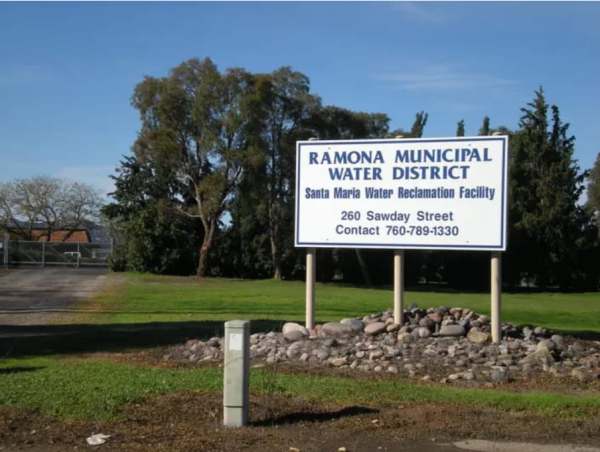
The approval puts executive compensation, financial oversight and water affordability at the center of questions for incumbent board president Jim Hickle and challenger John Stevenson.
The central issue is not simply how much the district pays its general manager, but what standards, performance results and comparisons the board used to determine that amount – and what Ramona residents are receiving in return.

A Unanimous Decision, Questions About Priorities
On October 14, 2025, the board voted 4-0 to approve an amendment to Wolski’s employment agreement. The annualized package totals $290,026, including salary, deferred compensation and an $833 monthly car allowance, before other benefits.
The district serves approximately 40,000 people. For comparison, San Diego advertised a $310,752 salary for its Public Utilities Director in 2026. Although the positions differ in responsibilities and organizational scale, the comparison raises questions about how public agencies determine executive pay.
The district cited Wolski’s performance, grant funding, partnerships and management responsibilities in support of the adjustment. Residents should be able to examine the evidence supporting those considerations.
Water Affordability and Public Spending
For families, seniors, farmers and small businesses, water is an essential expense. As residents face concerns about rising costs, transparency surrounding district spending matters.
“This may be water under the bridge to some, but I was shocked when I saw the compensation approved for General Manager Erica Wolski – and I am not alone,” said Linda Klein, editor of Ramona Citizen News.
“Some of our neighbors are struggling to put food on the table, pay their water bills and make ends meet. When I see compensation exceeding $290,000 annually, I want to understand how that decision was justified and what our community receives in return.
“Public money deserves public accountability.”
The Public Needs to Hear From Both Candidates
With Election Day approaching, residents have an opportunity to hear directly from both candidates about the district’s financial priorities.
As incumbent board president, Jim Hickle can explain the board’s compensation decision, its supporting evidence and how district performance is evaluated.
Challenger John Stevenson can explain what he would review, preserve or change if elected. Both candidates have three important questions to address:
- Executive spending: What justifies the compensation package, and would you support an independent compensation and staffing review?
- Water affordability: What specific actions would you pursue to control costs while maintaining reliable service?
- Public accountability: How should residents evaluate district spending, grant funding and measurable results?
Following the Money
Grants can bring valuable resources to Ramona, but residents should understand how funds are spent, whether local contributions are required and what ongoing financial obligations may follow.
“This is about more than one salary or one board vote,” Klein said. “It’s about how public money is spent, how decisions are explained and whether the people paying the bills have a meaningful voice.
“Residents deserve answers, accountability and a clear understanding of what their money is paying for.”
Election Day is Tuesday, November 3, 2026.
OFFICIAL RECORDS
October 14, 2025 Board Agenda Memo, Item F.5: Proposed salary, deferred compensation, car allowance and the district’s stated rationale. Read the official memo.
October 14, 2025 Board Minutes: The district’s meeting archive provides access to agendas and minutes. View agendas and minutes.
2024 Public Payroll Record: Historical reported salary and benefits information. Review the payroll record.
Media Contact
Linda Klein, Editor
Ramona Citizen News
Telephone: 760-383-9262
Email: RamonaCitizenNews@gmail.com
Website: www.RamonaCitizenNews.com
Media Contact
Organization: RAMONA CITIZEN NEWS
Contact Person: Linda Klein
Website: http://www.ramonacitizennews.com/
Email: Send Email
Country: United States
Release id: 50248
View source version on King Newswire:
Small District, Big Pay: Ramona Water Board Approves Over $290K in Annual Compensation for General Manager
About Author
Disclaimer: The views, suggestions, and opinions expressed here are the sole responsibility of the experts. No Digi Observer journalist was involved in the writing and production of this article.
Driveway Specialists Expands Paving, Walkway and Foundation Waterproofing Services
All Hours Home Healthcare Brings Expert Nursing and IV Infusion Care to Your Home
Hartwell Site Solutions Delivers Professional Foundation Excavation and Drainage Services Across Massachusetts
Benzinga Money Article Discusses How to Become Part of the 12% of Retirees Who Have Achieved the Recommended $550,000 Minimum Retirement Savings Threshold
Apu Apustaja Conquers New York with Lively Street Ads, Including Times Square Billboard
Bay Smokes Maintains Quality Amid Legislative Changes in the Hemp Industry


-
Press Release1 week ago
Injective Collaborates with BDACS to Bring Korea’s First Won-Backed Stablecoin to Onchain RWAs
-
Press Release4 days ago
Thomas Berkley of Nexus Acquisition AI Focuses on Turning Business Inquiries Into Structured Growth Opportunities
-
Press Release1 week ago
Mastek Selected by Staffordshire County Council to Drive AI Enabled – Oracle Cloud Transformation
-
Press Release4 days ago
Widgets & Web Launches AI-Operated Investor Relations Websites for Public Companies at a Fixed $299 per Month
-
Press Release4 days ago
Dynamic NameCard Opens Global Franchise Recruitment for Telegram Mini App-Based Digital Identity Services
-
Press Release1 week ago
New Book Where’s the GAP by David P. Matthews, Now Available on Amazon, Asks a Life Changing Question
-
Press Release1 week ago
PetShopValue.com Highlights Pet Comfort and Travel Essentials Ahead of the Holiday Season
-
Press Release4 days ago
Thomas Berkley and Nexus Acquisition Group Outline AI Agency Partnership Approach in Cleveland