
Press Release
Anthony Community Sees Growing Momentum in India and Pakistan, Strengthening Its South Asian Network

Regional representatives support local education, leadership development and cross-border communication, with a recent Dubai gathering illustrating the network’s international engagement.
India, 19th Nov 2026 – Anthony Community, an international blockchain-focused community network, has outlined its regional activities in India and Pakistan, focusing on local leadership, educational discussions and communication between community groups. The organization is developing connections between regional representatives and its wider international network through community gatherings, training programmes and cross-border exchanges.
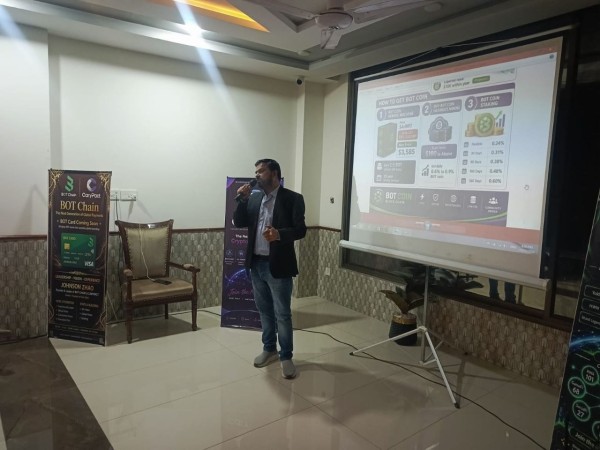
India and Pakistan form part of Anthony Community’s South Asian engagement activities. The community’s approach involves representatives who help organize local discussions, support member participation and maintain communication with participants in other countries.
Community Leadership Activities in India and Pakistan
According to Anthony Community, Mukesh, Priyesh and Aamir are among the representatives involved in community activities and leadership development in India. In Pakistan, Raja supports local engagement and communication with the wider network.
Their activities focus on connecting community members through discussions, educational gatherings and exchanges of regional experience. These interactions provide opportunities to consider how community programmes can address local interests while remaining connected with activities taking place in other countries.
Working across different markets also brings practical considerations, including communication, event coordination and the organization of educational content. Anthony Community identifies local representatives as an important part of its approach to managing these differences.
Dubai Leadership Training Supports Cross-Regional Exchange
A recent gathering provided an example of how Anthony Community connects participants from different regions.
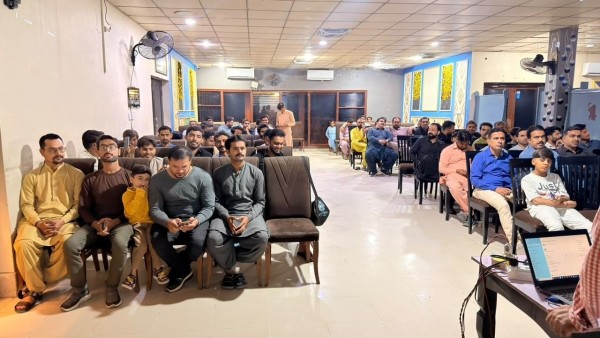
On November 8, 2026, Anthony Community held an international leadership training programme in Dubai, United Arab Emirates, bringing together community leaders and members from India and Africa. The programme addressed leadership development, community management, regional communication and international collaboration. Participants exchanged experiences and discussed approaches to organizing community activities within their respective regions.
The Dubai programme formed part of the network’s broader educational and leadership activities. It also provided a setting for participants from different countries to discuss shared organizational challenges and maintain communication across regional groups.
Regional Engagement Beyond South Asia
Anthony Community also conducts activities in other Asian markets, including Vietnam and Indonesia. Rossy supports regional engagement in Vietnam, while Imran is involved in local community activities in Indonesia. In Jepara, Indonesia, participants have taken part in group discussions, project presentations and community gatherings.
These activities illustrate how local teams organize meetings and maintain connections with other parts of the international network.
Anthony Community reports that its wider network spans more than 50 countries across 10 strategic regions and facilitates approximately 100 community events and activities each week. These include leadership discussions, educational programmes, business networking and technology-related exchanges.
Connecting Community Education with Emerging Technologies
Alongside leadership development, Anthony Community’s activities include discussions about blockchain, artificial intelligence and digital technology. Its technology-related programmes reference the ODYSSEY AI ecosystem and OneAI application platform. The associated areas of development include AI models, intelligent agents, application programming interfaces and digital services.
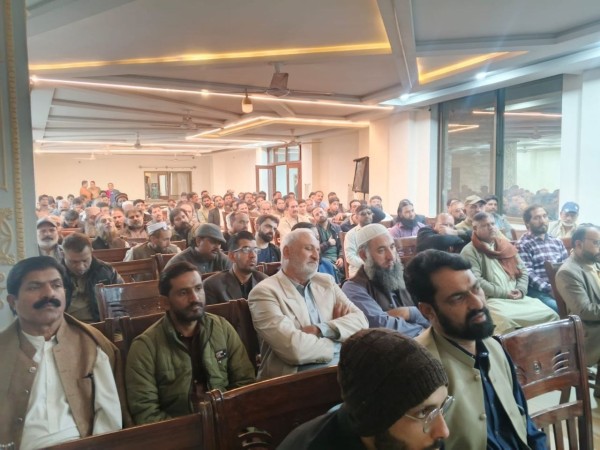
Within Anthony Community, these subjects provide material for educational discussions and knowledge exchange among participants with different professional and technical backgrounds. The community’s regional structure allows technology-related topics to be discussed alongside local experiences, providing a basis for continued communication between groups operating in different markets.
Anthony Community plans to maintain its regional engagement activities, with attention to leadership development, educational programmes and communication between local groups. Its activities in India and Pakistan form part of this wider approach, while gatherings such as the November 8 Dubai programme demonstrate how representatives from different regions can exchange experiences through in-person discussions.
As its international activities continue, Anthony Community aims to support local participation and maintain opportunities for education and knowledge sharing across its network.
About Anthony Community
Anthony Community is an international blockchain-focused community network connecting individuals and regional groups through educational activities, leadership development, business networking and knowledge sharing. Its programmes include community gatherings, regional discussions and exchanges involving emerging technologies such as blockchain and artificial intelligence. The organization focuses on communication and engagement among participants across different countries.
Media Contact
Organization: Anthony Community
Contact Person: Henry Johnny
Website: https://www.anthonycommunity.com/
Email: Send Email
Country: India
Release id: 50941
View source version on King Newswire:
Anthony Community Sees Growing Momentum in India and Pakistan, Strengthening Its South Asian Network
About Author

Disclaimer: The views, suggestions, and opinions expressed here are the sole responsibility of the experts. No Digi Observer journalist was involved in the writing and production of this article.

The platform outlines how daily strategy results, conditional profit allocations and maturity settlements are reflected in USDC product and account records.
United States, 20th Nov 2026 – Quanticagpt, a financial technology platform focused on AI-assisted quantitative trading, has outlined its approach to recording daily strategy calculations, account credits and settlement at maturity for USDC-denominated quantitative products. Its settlement framework connects product-order information with calculation results and subsequent account balance changes, allowing different stages of a product’s settlement process to be reviewed separately.

The platform uses USDC as the participation and settlement currency for its multi-term products. Its recordkeeping process distinguishes funds committed to a product order, amounts calculated during the product term and subsequent credits made to the available USDC balance.
Recording Funds and Product Orders
Before a product order is confirmed, Quanticagpt’s interface presents information including the participation amount, funding breakdown and applicable product term. Once an order takes effect, the corresponding funds are recorded as a product position. The order details show its effective time, expected maturity date and settlement status.
These records help distinguish the original funding amount from subsequent calculations and balance changes. A product’s recorded position represents funds allocated under its terms, while the available account balance reflects amounts recorded as available for other account activity.
Daily Calculations and Conditional Profit Allocation
Quanticagpt’s described framework calculates strategy results in USDC on a daily basis. The calculations take into account actual strategy gains and losses, costs specified in the product terms and any applicable losses carried forward from previous periods. The company distinguishes between a daily calculation and an amount eligible for allocation. A positive result during one period does not necessarily establish a distributable profit or determine the outcome of the full product term.
When distributable net profit is generated, 65% is allocated to users and 35% to the platform. These percentages describe the division of distributable net profit rather than a fixed return on committed capital. Settlement records identify the amounts subsequently credited to available USDC balances and their posting times. This distinction is relevant because a calculated result and a completed account credit represent different stages of the accounting process.
Visa’s USDC Settlement Development as an Industry Example
The use of digital dollar assets in settlement processes is also receiving attention across established payment systems.
On December 16, 2025, Visa announced the expansion of its USDC settlement program to participating U.S. card issuers and acquirers. Initial banking participants included Cross River Bank and Lead Bank, which began settling obligations with Visa using USDC over the Solana blockchain. The initiative introduced settlement capabilities across weekends and holidays while maintaining existing consumer card payment processes. It illustrates how blockchain-based transfers can be incorporated into established financial operations, where transaction timing, settlement confirmation and account reconciliation remain important.
For Quanticagpt, Visa’s USDC settlement development provides an industry example when examining how settlement-related calculations can be connected with subsequent account entries. Although payment settlement and quantitative trading involve different operating processes, both require clear records of amounts due, completed transactions and the timing of account balance changes.
Connecting Calculations with Account Credits
Within Quanticagpt’s product framework, daily calculation records and account credits serve different purposes. A calculation reflects the result determined under the applicable strategy and product rules. An account credit records an amount subsequently posted to the user’s available USDC balance.
By maintaining these records separately, the platform provides information for reviewing how calculated amounts relate to completed settlements. Recording the credited amount and posting time also helps distinguish an allocation from the resulting movement of funds. The company’s framework therefore places attention on the relationship between product calculations, settlement records and actual account activity.
Settlement at Maturity
At maturity, Quanticagpt calculates the amount due under the terms confirmed when the product order was placed.
The order record shows the settlement result, while the account record reflects the corresponding credit and posting time. These entries allow the original funding amount, any recorded allocations and the final maturity settlement to be reviewed in relation to the same product order. The amount due depends on the applicable product terms and actual strategy results. Reaching a stated maturity date does not independently establish a positive return or guarantee repayment of the full committed amount.
Quanticagpt’s USDC settlement framework focuses on distinguishing daily calculations, conditional allocations and completed account credits. By connecting product-order details with settlement information, the company is organizing records that reflect how amounts are calculated and subsequently recorded throughout a product term.
These records form part of Quanticagpt’s broader approach to account management and transaction reporting within its quantitative trading services.
About Quanticagpt
Quanticagpt is a financial technology platform focused on AI-assisted quantitative trading and related account services. Operated by Quanticagpt Ltd., the platform’s stated activities include multi-term USDC products, grid-based strategy tools, product-order information and settlement-related records. Its account management framework covers product positions, available balances and transaction histories.
Media Contact
Organization: Quanticagpt
Contact Person: Quanticagpt Official
Website: https://www.quanticagpt.com/
Email: Send Email
Country: United States
Release id: 50942
View source version on King Newswire:
Quanticagpt Outlines Daily USDC Calculations and Maturity Settlement Records
About Author
Disclaimer: The views, suggestions, and opinions expressed here are the sole responsibility of the experts. No Digi Observer journalist was involved in the writing and production of this article.
The digital asset platform focuses on connecting spot trading, derivatives, commodity-related instruments, and tokenized asset services within a coordinated trading framework.
United States, 20th Nov 2026 – BIHE is continuing to develop its multi-asset trading service framework with a focus on connecting diversified trading instruments, account functionality, and product information within a coordinated digital environment. As demand for digital asset trading tools becomes more diverse, the company is emphasizing an integrated approach that goes beyond offering individual products. Its development strategy focuses on how different asset categories can be organized within a common service framework while maintaining the trading mechanisms, participation requirements, and operating conditions specific to each instrument.
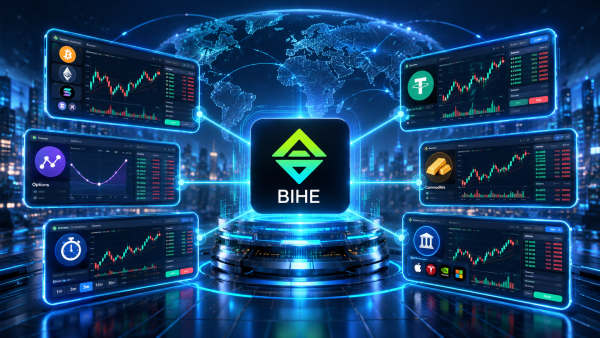
According to the company, BIHE’s product development framework includes spot digital asset trading, USDT-margined perpetual contracts, standardized options, short-duration contracts, commodity contracts, and tokenized securities-related services. These categories represent different approaches to market participation and involve varying transaction structures, capital requirements, holding arrangements, and settlement mechanisms.
By bringing these instruments into its broader development strategy, BIHE aims to create a more organized trading environment in which users can review product characteristics and understand relevant conditions through clearly structured information.
The integration of spot trading and derivatives forms an important component of BIHE’s multi-asset development approach. Spot transactions generally involve the purchase or sale of underlying digital assets, while perpetual contracts introduce additional considerations such as margin requirements, leverage, funding rates, and position management. Standardized options operate under specific contractual terms involving exercise conditions, expiration arrangements, and settlement procedures. Short-duration contracts may also involve distinct timing mechanisms and participation conditions.
BIHE’s product framework recognizes these differences by emphasizing product-specific rules and information rather than treating all trading instruments as interchangeable services.
Beyond conventional digital asset trading tools, BIHE is also exploring development areas involving commodity contracts and tokenized securities-related services. Interest in these instruments reflects broader industry discussions about the relationship between digital trading infrastructure and different asset categories. Commodity-linked contracts may involve pricing mechanisms and settlement arrangements that differ from cryptocurrency transactions, while tokenized securities require consideration of underlying asset rights, investor eligibility, and applicable regulatory restrictions.
BIHE identifies these distinctions as important factors when organizing its multi-asset product framework. The inclusion of such instruments within its development strategy does not necessarily indicate that every service is currently available in all jurisdictions.
Account functionality is another central element of the company’s integrated service approach. BIHE’s framework brings together market information displays, product selection, order placement, transaction records, and asset management functions. Users interacting with multiple trading instruments may need to review different account balances, position information, order histories, and transaction conditions.
By coordinating these functions within a more consistent service structure, BIHE aims to reduce the complexity associated with navigating different product categories while preserving the information required for each instrument.
The coordination of different trading instruments is another important consideration in BIHE’s multi-asset service development. BIHE’s integrated product framework focuses on how these trading functions can be organized within a coordinated platform environment while preserving the operating characteristics of each instrument. The company is examining the relationship between market information displays, product selection, order placement, and position management across different asset categories. This approach forms part of BIHE’s broader “One Account, Multiple Assets” development concept, which aims to connect diversified trading tools through a more integrated service structure without treating different financial instruments as interchangeable.
As digital asset markets continue to develop, BIHE plans to improve its trading functionality, product organization, and account service framework while maintaining clear distinctions between different instruments. The availability of individual products and services remains subject to applicable regulations, regional eligibility requirements, and official platform conditions.
About BIHE
BIHE is a digital asset trading platform focused on trading products and related account services. According to company information, its product development areas include spot transactions, perpetual contracts, standardized options and selected exploratory services. The company also focuses on account information, transaction records and operating procedures. Product availability and participation requirements remain subject to applicable regulations, regional restrictions and official platform rules.
Media Contact
Organization: BIHE
Contact Person: Bihe Official
Website: https://www.bihevip.com
Email: Send Email
Country: United States
Release id: 50939
View source version on King Newswire:
BIHE Advances Multi-Asset Trading Services Through Integrated Product Development
About Author
Disclaimer: The views, suggestions, and opinions expressed here are the sole responsibility of the experts. No Digi Observer journalist was involved in the writing and production of this article.
Australia, 20th Nov 2026 – Neuralia TMS, a specialist provider of transcranial magnetic stimulation (TMS) in Perth, Western Australia, has announced a plain breakdown of how funding works for patients considering TMS therapy, covering Medicare, referrals and private health insurance. According to the company, the explanation sets out which parts of a course are funded, which are not, and where patients are asked to confirm their circumstances before booking.

Neuralia TMS provides a non-invasive form of brain stimulation (link pending) in a specialised TMS suite, the company said. TMS uses an electromagnetic coil placed against the scalp to deliver magnetic pulses, and treatment is arranged as a course of sessions rather than a single visit. The company also offers transcranial direct current stimulation, known as tDCS, and pharmacogenetic testing, with clinics in Como, Kardinya and Armadale.
What the Announcement Means for Medicare Patients
Medicare is Australia’s public health insurance scheme, and some services attract a Medicare rebate when set criteria are met. According to Neuralia TMS, most patients on an initial Medicare-funded course pay $0 out of pocket for TMS at the clinic. The company states that Medicare covers up to 35 sessions in an initial course, and that a course is typically delivered five times a week over four to six weeks.
“Patients should be able to see what Medicare funds and what it does not before they book,” said Dr Shanek Wick, Medical Director of Neuralia TMS. “Eligibility depends on each person’s history, which is why the clinic asks patients to check their circumstances with the team.”
The company also states that a rebate applies only when every eligibility requirement is met. Previous TMS in any setting rules out the initial-course Medicare item, Neuralia TMS said, and an earlier course of treatment on its own does not show that a patient qualifies for a rebate. Patients are asked to contact the clinic about their circumstances, and the company refers them to a separate article on Medicare coverage for the full criteria.
How Referrals, Retreatment and Maintenance Work in Practice
A referral from a general practitioner or psychiatrist starts the Medicare eligibility process, although a referral does not establish eligibility by itself. Neuralia TMS says general practitioners can refer patients by Healthlink, fax or email using a standard referral letter, or through a secure online form. A team member then contacts the patient to book the first appointment. The team reviews the patient’s medical history and consults the referring practitioner before a treatment plan is prepared.

Separate arrangements apply to further treatment. Up to 15 retreatment sessions may be covered if needed, starting four months after the initial course, the company said, provided the criteria are met. Stand-alone maintenance TMS outside the initial and retreatment courses is not funded under the Medicare items, according to Neuralia TMS.
Patients who are not eligible for Medicare are directed to ask the clinic about their circumstances before booking. Enquiries from the Department of Veterans’ Affairs community are directed to a dedicated DVA cost resource or to the clinic team.
What Private Health Insurance May and May Not Cover
On private cover, the company says that private health insurance rarely covers the psychiatrist’s professional fees for TMS sessions delivered in a community setting. It advises patients to check with their insurer about those fees before starting treatment. Insurers set their own policy terms, and cover differs between funds and between levels of cover, so the company’s guidance is to confirm the details directly with the insurer rather than assume that a policy applies.

The statements in this release describe the arrangements as Neuralia TMS sets them out, and they do not amount to a promise of coverage for any individual patient. The company said that questions about funding can be put to the clinic by email before an appointment is made.
Looking Ahead
Neuralia TMS said the funding information is intended as a starting point, and that each patient’s position is confirmed individually once a referral has been received and the clinic has reviewed it.
“Clear funding information matters because the rules apply differently to each person, and the aim is for every patient to understand their position before treatment begins,” said Dr Wick. “Patients with questions are welcome to contact the clinic, and the team will go through their circumstances.”
About Neuralia TMS
Neuralia TMS is a Perth based provider of transcranial magnetic stimulation. The company also offers tDCS and pharmacogenetic testing, and its medical director is Dr Shanek Wick, a specialist psychiatrist.
For additional information about TMS therapy cost and related mental health service developments, contact Neuralia TMS by email at info@neuralia.com.au or call 1 6230 3996. The clinic is located at Unit 2A/125 Melville Parade, Marview House, Como, WA 6152.
Media Contact
Organization: Neuralia TMS (Como)
Contact Person: Dr Shanek Wick
Website: https://www.neuraliatms.com.au/
Email: Send Email
Contact Number: +6162303996
Address: Unit 2A/125 Melville Parade
Address 2: Marview House, Como WA 6152
Country: Australia
Release id: 50971
View source version on King Newswire:
Neuralia TMS Breaks Down TMS Therapy Cost and Insurance Options
About Author
Disclaimer: The views, suggestions, and opinions expressed here are the sole responsibility of the experts. No Digi Observer journalist was involved in the writing and production of this article.
BIHE Advances Multi-Asset Trading Services Through Integrated Product Development
Quanticagpt Outlines Daily USDC Calculations and Maturity Settlement Records
NiobiumX Mining Inc. (OTCQB: NIOXF): Niobium Is Behind US Missiles and Next-Generation AI Chips. The US Imports All of It.
Benzinga Money Article Discusses How to Become Part of the 12% of Retirees Who Have Achieved the Recommended $550,000 Minimum Retirement Savings Threshold
Apu Apustaja Conquers New York with Lively Street Ads, Including Times Square Billboard
Bay Smokes Maintains Quality Amid Legislative Changes in the Hemp Industry


-
Press Release2 days ago
Comment, Analysis on Google Gemini for Healthcare by Industry Analyst Jeff Kagan
-
Press Release3 days ago
OiLChef Wins Restaurant Solution of the Year Award at 2026 Restaurant & Takeaway Innovation Expo
-
Press Release4 days ago
Metrika Develops Blockchain Network Dashboard Prototype Based on GL1 Market Infrastructure Toolkit
-
Press Release8 hours ago
Airwheel Unveils Smart Cabin Luxury Hand 20 inch Carry On Airport Boarding Ai Wheel Suitcase for Every Kind of Traveler Luggage
-
Press Release1 week ago
Red Banyan CEO Evan Nierman Leads High-Stakes Communications Workshop at NASDDDS Annual Conference
-
Press Release6 days ago
IntelliVIX Wins Two CES 2027 Innovation Awards, Showcasing Global Competitiveness in Safety AI
-
Press Release6 days ago
Rifstone Capital LLC Advances Institutional Research Platform with Expanded Global Allocation Framework
-
Press Release6 days ago
Eurotrace net Unveils New Blockchain Intelligence Research Initiative