
Press Release
Collaborative Leadership: Brian Baldari On Why Cross Functional Trust Is The Real Key To Career Growth

-
A Workplace Collaboration Perspective On How Relationships And Alignment Shape Long Term Professional Progress.
Brick, New Jersey, Jun 24, 2026, ZEX PR WIRE — Brian Baldari, a leadership coach based in Brick, NJ, has released a perspective examining how collaborative leadership and cross functional trust influence long term career growth in modern workplaces. The perspective focuses on how professionals build credibility, navigate shared responsibilities, and strengthen working relationships across teams in environments where collaboration is essential to day to day execution.
The discussion centers on a recurring challenge in many professional environments. Individuals often focus heavily on delivering strong individual performance, yet find that career progression depends just as much on how effectively they work with others. According to Brian Baldari, this gap between individual contribution and collective trust is one of the most overlooked factors in career development.
Brian Baldari explains that collaborative leadership is not defined by authority or formal role. Instead, it is shaped by how consistently a professional contributes to shared outcomes, communicates across teams, and builds reliability in group settings. He notes that professionals who understand this dynamic tend to progress more steadily because they are able to operate effectively within interconnected systems of work.
The Shift From Individual Performance To Shared Outcomes
Brian Baldari highlights that many professionals begin their careers with a strong focus on individual output. Early success is often measured by task completion, efficiency, and personal accountability. While these qualities remain important, they are not sufficient on their own for long term career advancement.
As professionals move into more complex environments, work becomes increasingly interconnected. Projects require coordination across multiple teams, functions, and priorities. In these settings, success depends less on isolated performance and more on the ability to contribute to shared outcomes.
Brian Baldari explains that this shift can be difficult for individuals who are accustomed to being evaluated primarily on their own output. When expectations change, professionals must adapt how they communicate, how they prioritize work, and how they engage with others. Those who fail to make this transition may continue to perform well individually but struggle to gain broader recognition.
He notes that cross functional trust becomes a central factor in this stage of development. Trust is built through consistency, clarity, and reliability in collaborative environments. When colleagues can depend on one another to follow through, communicate effectively, and support shared objectives, overall team performance improves.
Cross Functional Trust As A Career Development Factor
Brian Baldari emphasizes that cross functional trust is often treated as a soft skill, but in practice it functions as a structural component of career progression. Professionals who develop strong working relationships across teams are more likely to be included in broader conversations, invited into planning discussions, and considered for expanded responsibilities.
He explains that trust is not created through visibility alone. Instead, it is built through repeated interactions where expectations are met and communication remains clear. Over time, these patterns shape how others perceive a professional’s reliability and contribution.
Brian Baldari notes that many individuals underestimate the cumulative effect of these interactions. A single project or assignment may not determine career trajectory, but consistent behavior across multiple collaborations gradually shapes reputation within an organization.
He also highlights that trust operates in both directions. Professionals must not only earn trust but also extend it to others. This includes recognizing the strengths of colleagues, respecting different working styles, and contributing to environments where shared accountability is possible.
Communication Protocols And Alignment In Complex Workplaces
Brian Baldari discusses communication as a key component of collaborative leadership. In complex workplaces, information moves across multiple channels, and misunderstandings can easily arise when expectations are not clearly defined.
He explains that effective professionals develop communication habits that reduce friction. This includes clarifying responsibilities early, confirming shared understanding, and maintaining consistent updates during collaborative work. These practices help ensure that teams remain aligned even when priorities shift or challenges arise.
Brian Baldari also notes that alignment is not a one time activity. It requires ongoing adjustment as projects evolve and new information becomes available. Professionals who actively maintain alignment tend to experience fewer breakdowns in collaboration and stronger long term working relationships.
He emphasizes that communication is not limited to formal settings. Informal interactions, quick clarifications, and day to day responsiveness all contribute to how trust is formed and maintained across teams.
Navigating Workplace Systems Without Relying On Formal Authority
Brian Baldari explains that many professionals assume career growth is primarily linked to formal authority or job titles. However, in collaborative environments, influence is often determined by how effectively an individual contributes to group outcomes rather than their position within a hierarchy.
He notes that professionals who rely solely on formal authority may struggle in environments where work is distributed across teams and decision making is shared. In contrast, individuals who focus on collaboration, trust building, and alignment often develop influence that extends beyond formal structure.
Brian Baldari highlights that navigating these environments requires adaptability. Professionals must learn to work effectively without relying on directives alone. This includes taking initiative in group settings, supporting shared goals, and contributing constructively to problem solving.
He also points out that leadership in these contexts is often informal. It emerges through behavior rather than designation. Individuals who consistently help others succeed, clarify direction, and maintain alignment naturally become points of reference within their teams.
Building Sustainable Career Growth Through Collaboration
Brian Baldari concludes that sustainable career growth is closely linked to the ability to operate effectively within collaborative systems. While individual performance remains important, long term progression depends on how well professionals integrate into broader networks of work.
He explains that cross functional trust, communication clarity, and alignment are not secondary skills. They are foundational elements of how modern workplaces function. Professionals who develop these capabilities tend to experience more consistent growth because they are able to contribute across a wider range of situations.
Brian Baldari emphasizes that collaborative leadership is ultimately about consistency. It is reflected in how individuals show up in group settings, how they respond to challenges, and how reliably they support shared objectives over time.
He notes that career development is not defined by a single moment or achievement, but by repeated patterns of behavior that build trust and credibility. In this way, collaboration becomes not just a workplace requirement, but a central driver of long term professional progress.
About Author

Disclaimer: The views, suggestions, and opinions expressed here are the sole responsibility of the experts. No Digi Observer journalist was involved in the writing and production of this article.

Australia, 23rd Oct 2026 – Neuralia TMS, a trailblazing Western Australian provider of Transcranial Magnetic Stimulation (TMS), has published details of its TMS therapy service for people with depression. The clinic network offers consultations and treatment courses at sites that include Como, Kardinya and Armadale.
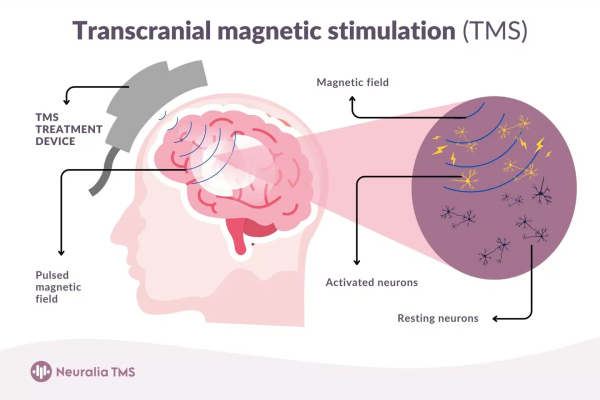
TMS is a non-invasive brain stimulation treatment in which an electromagnetic coil is placed against the scalp. The coil delivers repetitive magnetic pulses to the left dorsolateral prefrontal cortex, an area of the brain involved in mood regulation. The information in this release is general in nature and is not medical advice.
How a Course Is Structured
Neuralia TMS describes TMS as an outpatient treatment that is usually delivered as a course over about four to six weeks. Sessions are held five days a week and each lasts about 30 to 60 minutes. The clinic states that the protocol varies from patient to patient, with some patients needing more sessions than others.
At the first session, the individual stimulation dose is determined, and the clinic states that it may be rechecked during the course. Patients are awake throughout each session and receive no medication during it. The clinic states that patients can drive and resume normal activities afterwards.
“The structure of a TMS course is set out at the start so that patients know what the commitment involves,” said Dr Shanek Wick, Medical Director of Neuralia TMS. “Each patient is assessed individually, and the details of the course are agreed with the treating team.”
Assessment and Eligibility
The care pathway begins with an initial consultation. A TMS mapping session follows, and a follow-up review with the TMS doctor takes place during the course. The clinic also offers a short online check, which is intended to help people decide whether to make an appointment and does not replace a clinical assessment.

Whether TMS is appropriate for an individual is a clinical decision. The clinic states that Medicare coverage applies to patients who meet the depression eligibility criteria, and patients are encouraged to confirm their own eligibility with the clinic. Fees and rebates differ between the consultation, mapping session and treatment sessions.
The clinic’s website lists the fee, the Medicare rebate and any out-of-pocket cost for each type of appointment, including a cancellation fee for appointments cancelled with less than 24 hours’ notice. The clinic states that eligible Medicare patients have no out-of-pocket fees for standard sessions.
Safety Information
The clinic provides information on side effects. The commonly listed effects are mild to moderate scalp discomfort, headaches, tingling or twitching of the facial muscles, and lightheadedness. The clinic states that these typically lessen over the following sessions. Seizures are described as rare and as occurring only in extreme cases.

Anyone considering TMS is advised to discuss their medical history, current medications and any previous treatment with a doctor before starting. This allows the treating team to assess whether the treatment is suitable and to explain what to expect.
Looking Ahead
Neuralia TMS also offers transcranial Direct Current Stimulation, an at-home neuromodulation therapy, and pharmacogenetic testing. The announcement forms part of the clinic network’s wider information for people who are considering treatment options in Western Australia.
“Patients benefit from having clear and accurate information before they decide on any treatment,” Dr Wick said. “Neuralia TMS expects to continue publishing information about how its services work, so that people can discuss the options with their doctor.”
The clinic network operates across Western Australia, with sites listed in Como, Kardinya, Armadale, West Leederville, Helena Valley and Albany. Some sites operate under separate brand names and websites. People experiencing distress or thoughts of self-harm are advised to contact a doctor or a crisis service such as Lifeline on 13 11 14 rather than wait for an appointment, and to call 000 in an emergency.
About Neuralia TMS
Neuralia TMS offers Transcranial Magnetic Stimulation therapy, a non-invasive treatment used for conditions that include depression, anxiety, post-traumatic stress disorder, obsessive-compulsive disorder, chronic pain and Parkinson’s disease. The clinic also provides transcranial Direct Current Stimulation and pharmacogenetic testing.
For additional information about TMS for depression and related industry developments, contact Neuralia TMS at 2/125 Melville Parade, Como WA 6152. Inquiries regarding the clinic’s services, consultations and treatment courses can be directed to 08 6230 3996 or by email at info@neuralia.com.au.
Media Contact
Organization: Neuralia TMS (Como)
Contact Person: Dr Shanek Wick
Website: https://www.neuraliatms.com.au/
Email: Send Email
Contact Number: +61862303996
Address: Unit 2A/125 Melville Parade
Address 2: Marview House, Como WA 6152
Country: Australia
Release id: 50155
View source version on King Newswire:
Neuralia TMS Offers TMS Therapy for Depression
About Author
Disclaimer: The views, suggestions, and opinions expressed here are the sole responsibility of the experts. No Digi Observer journalist was involved in the writing and production of this article.
Australia, 23rd Oct 2026 – Bentley Plaza Dental Clinic, a premier general and cosmetic dental practice in Bentley, WA, has announced details of the dental services it provides to local patients. The clinic is located in the Bentley Plaza Shopping Centre on Albany Highway and offers general, cosmetic and emergency dental care.

The clinic’s services range from routine cleans and fillings to crowns, root canal treatments and dental implants. Its owner dentists place implants in-house, including All-on-4, and it also provides general and cosmetic dentistry for children and adults. The information in this release is general in nature and is not a substitute for a dental assessment.
Services Available
The clinic groups its general services as scale and clean, dental sealants, tooth-coloured restorations, custom mouthguards and sleep dentistry. Its cosmetic services include crowns and bridges, clear aligners and Invisalign, teeth whitening, dental veneers and dentures.
Other treatments listed are root canal treatments, dental extractions, wisdom teeth extractions and the management of gum disease. The clinic also provides emergency care and a dedicated children’s dentistry service. For patients who have lost teeth, it offers single tooth implants and implant-retained full mouth prostheses.
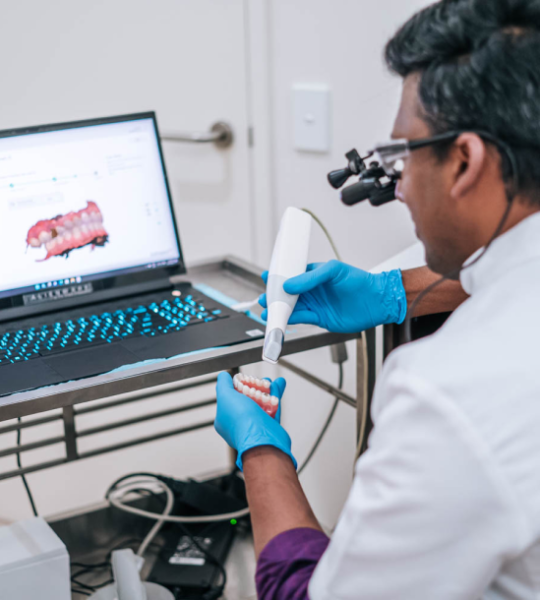
“Patients come to the clinic for a wide range of reasons, from a routine check-up through to replacing missing teeth,” said Dr Srikanth Aluru, Dentist and Co-Owner of Bentley Plaza Dental Clinic. “Having general, cosmetic and implant services in one place means that patients do not need to be referred elsewhere for many common treatments.”
Preventive care such as scaling and cleaning and dental sealants forms part of the service alongside regular check-ups, because early detection of decay and gum disease usually allows simpler treatment. Children’s dentistry is listed as a separate service so that younger patients can be seen at the same clinic as their parents, and clear aligners and Invisalign are listed for patients considering straightening their teeth.
Access and Opening Hours
The clinic is located at Shop FS6B, 1140 Albany Highway, within the Bentley Plaza Shopping Centre. The clinic states that patients can reach it by car or public transport, and that parking is available at the centre.
Opening hours are Monday to Friday from 8.30 am to 5.30 pm and Saturday from 8 am to 2 pm. Patients can book online through the clinic’s website or by phone. Messages sent through the website’s contact form receive a reply within 24 to 48 hours, according to the clinic.

Siting a dental practice inside a shopping centre allows patients to combine an appointment with other errands, which can help working adults and parents who have limited time. Appointments on Saturday mornings add further flexibility for patients who cannot attend during the week.
Payment and Health Funds
The clinic states that it accepts all major health funds with instant claims. Patients can also use payment options such as Afterpay and Zip Pay. Details of fees and rebates are provided at the time of treatment planning, as they depend on the treatment and on each patient’s level of cover.
Patients who have not visited the clinic before can read about what to expect at a first appointment on the clinic’s website. A first visit typically includes an examination and a discussion of any concerns or goals, after which the dentist recommends a treatment plan.
Looking Ahead
The announcement forms part of the clinic’s continuing work as a general and cosmetic dental practice for families in Bentley and the surrounding suburbs of Perth. The owner dentists provide much of the care directly.
“The focus is on providing care that suits the patient’s needs and explaining each step before treatment begins,” Dr Aluru said. “Bentley Plaza Dental Clinic expects to continue serving local families and individuals with general, cosmetic and emergency dental care.”
About Bentley Plaza Dental Clinic
Bentley Plaza Dental Clinic provides general and cosmetic dentistry in Bentley, Perth. Services include cleans, fillings, crowns and bridges, root canals, wisdom teeth extractions, emergency care, children’s dentistry, whitening, veneers, dentures, Invisalign and dental implants.
For additional information about dentist Bentley and related industry developments, contact Bentley Plaza Dental Clinic. Inquiries regarding the clinic’s products, services and appointments can be directed to +61 8 9466 3600 or by email at info@bentleyplazadental.com.au.
Media Contact
Organization: Bentley Plaza Dental Clinic
Contact Person: Dr Srikanth Aluru
Website: https://www.bentleyplazadental.com.au/
Email: Send Email
Contact Number: +61894663600
Address: FS6B, 1140 Albany Hwy, Bentley WA 6102
Country: Australia
Release id: 50157
View source version on King Newswire:
Bentley Plaza Dental Clinic Serves Patients in Bentley WA
About Author
Disclaimer: The views, suggestions, and opinions expressed here are the sole responsibility of the experts. No Digi Observer journalist was involved in the writing and production of this article.
MAYA CHAIN is an Ethereum Layer 2 rollup built on Arbitrum Nitro through Arbitrum Orbit, with Chain ID 6292 and Ethereum mainnet settlement. It posts transaction batches as EIP-4844 blobs, uses M3G (Maya 3G) for gas and supports standard Ethereum development tools. UK Financial LTD begins consolidating its portfolio of 12 exchange-traded tokens from the Ethereum blockchain to its own MAYA CHAIN. The Company outlines a strategic DeFi leverage strategy that, when executed, will completely finance its entire ecosystem, including its Retirement Plan Program and Maya Black card unlimited credit card.
DOVER, Del., October 20, 2026 — https://ukfinancialltd.com/news – UK Financial Ltd announced that the Company’s MAYA CHAIN IS LIVE. MAYA CHAIN IS AN Ethereum Layer 2 blockchain, and migration of its asset portfolio of 12 exchange-traded tokens is underway. The company is consolidating company-owned tokens and related asset records to prepare for DeFi financing backed by eligible corporate collateral.
MAYA CHAIN has been live since October 15, 2026. UK Financial Ltd, its creator, has operated in the digital asset sector since 2018. MAYA CHAIN was developed by Xora Labs (Pvt) Limited, its blockchain infrastructure partner (www.xoralabs.io). The company is holding its planned commercial activation until the asset migration is complete, making asset consolidation the priority before those business operations begin.
“UK Financial Ltd has never sold a token, and token sales are not our funding strategy,” said Richard Crespo, Vice President of UK Financial Ltd. “We are consolidating assets on MAYA CHAIN so we can seek DeFi financing against eligible company-owned collateral. Our objective is to support the Retirement Plan Program and the wider ecosystem, including the Maya Black card, through leverage.”
Legacy tokens lead the migration
The migration program begins with Maya Preferred PRA (MPRA), the preferred-class token of the Maya Preferred Project. It will continue across the company’s exchange-traded and non-exchange-traded token holdings, together with on-chain records for other transferable assets.
The scope includes CATEX-listed ecosystem assets, Wrapped Maya Preferred PRA (WMPRA) and the Retirement Plan Program token (RPWMPRA). UK Financial Ltd plans to migrate its ERC-20 token holdings first, followed by its ERC-3643 security-token holdings. WMPRA and RPWMPRA have pricing arrangements linked to MPRA.
UK Financial Ltd’s flagship token, Maya Preferred PRA, is a gold- and silver-backed Real World Asset Token (MPRA). Tracing the Maya Preferred Project’s origins to 2018, the company regards MPRA as one of the first, if not the first, gold-backed tokens.
Existing Chainlink CRE supply verification
Token-supply reporting is already in place through the company’s Chainlink Runtime Environment (CRE)-based program. UK Financial Ltd reports that its MPRA circulating-supply workflow went live on July 31, 2026. Supply-verification information and the linked Ethereum receiver contract are available at: https://www.mayapreferred.io/CHAINLINK/MPRA/SUPPLY
Reports for other ecosystem tokens are available at: https://www.ukfl-cre-verified-tokens.com/
The published circulating supply is 977,896.534 MPRA. Using Ethereum token and wallet balances rounded to three decimal places, the workflow subtracts 155,022,103.466 MPRA held in the Corporate Assets Hub and 44,000,000 MPRA held in the Irrevocable Treasury Vault from the total supply of 200,000,000 MPRA.
CoinMarketCap continues to label MPRA’s circulating supply as “self-reported.” UK Financial Ltd is calling on the platform to review the published CRE reports and supporting wallet records and clarify any outstanding requirements for its own verified-supply classification.
The company intends to connect its existing supply reports with MAYA CHAIN migration records and supporting asset documentation.
Leveraging company assets on MAYA CHAIN
UK Financial Ltd says the scale of its MAYA CHAIN strategy extends beyond the public circulating supply displayed on token market trackers. Circulating supply multiplied by price measures public circulating market capitalization. Company-owned token balances multiplied by their respective quoted prices measure the quoted value of UKFL’s own holdings, including tokens excluded from public circulation.
MPRA illustrates the difference. The company’s published supply report lists approximately 977,897 MPRA in public circulation, compared with 155,022,103 MPRA in its Corporate Assets Hub alone. At the same quoted token price, that corporate position represents more than 158 times the value calculated using public circulating supply.
UK Financial Ltd’s broader strategy encompasses holdings across 11 exchange-traded tokens. Each company-owned position is calculated separately using its token balance and quoted market price, then combined to describe the portfolio’s quoted value.
The company intends to use eligible holdings recorded on MAYA CHAIN as collateral to seek DeFi financing for its Retirement Plan Program, wider ecosystem and Maya Black card. The financing calculation is:
Accepted collateral value × permitted lending percentage = potential DeFi financing capacity.
Actual financing depends on the selected protocol’s accepted collateral valuation, lending limits and available liquidity. Any borrowing carries repayment obligations and collateral-liquidation terms.
UK Financial Moonshot Token role to be announced
UK Financial Moonshot Token (UKFLMS) is part of the broader ecosystem plan, including its Solana-based Preferred Class and Robinhood-chain Common Class. UK Financial Ltd says the token has a planned strategic role in the MAYA CHAIN initiative, which The Company believes will dramatically increase the value of UK Financial Moonshot Token, especially the Preferred Class Token which is on the Solana Blockchain.
At the time of this press release, UK Financial Moonshot Token was trading at roughly $0.00123, making it the lowest-priced token in the company’s ecosystem.
“We have already transferred gold-backed Maya Preferred MPRD tokens into the company’s Irrevocable Treasury Vault, providing approximately $0.15 in gold backing per UK Financial Moonshot Token based on our valuation,” said James Dahlke, President and CEO of UK Financial Ltd. “We used MPRD, our common-class token, because Etherscan displayed its value while our repeated requests to display the current preferred-class MPRA token’s price remained unresolved. We had also raised concerns about pricing appearing against the retired MAYP token while current MPRA holdings showed zero. That left holders seeing a zero beside an asset we were explaining as gold-backed, creating confusion we were determined to resolve. Eight years of work will not be defined by a zero on somebody else’s screen. We are moving our assets onto MAYA CHAIN and publishing token balances, pricing references and supporting asset records that the public can review. We intend to strengthen the backing of our ecosystem tokens, including UK Financial Moonshot Token, through additional asset allocations and clear documentation. Our holders deserve to see what the company owns, what backs their tokens and how those figures are calculated.”
Live Ethereum Layer 2 infrastructure
MAYA CHAIN is an Ethereum Layer 2 rollup built on Arbitrum Nitro through Arbitrum Orbit, with Chain ID 6292 and Ethereum mainnet settlement. It posts transaction batches as EIP-4844 blobs, uses M3G (Maya 3G) for gas and supports standard Ethereum development tools.
MAYA rollup built on Arbitrum Nitro through Arbitrum Orbit, with Chain ID 6292 and Ethereum mainnet settlement. It posts transaction batches as EIP-4844 blobs, uses M3G (Maya 3G) for gas and supports standard Ethereum development tools.
MayaScan (https://scan.mayachain.io) provides public access to network activity, token records, Ethereum batch information and an integrated bridge. The network uses Arbitrum’s BoLD dispute protocol with a permissioned validator set. UK Financial Ltd states that the network is monitored around the clock.
New Blockchain Partner Xora Labs
Xora Labs (Pvt) Limited is a Web3 engineering and infrastructure company that designs, builds, secures and runs the systems behind on-chain finance: DeFi, tokenized assets and confidential payments. Through its Rollup-as-a-Service offering, Xora Labs deploys and operates dedicated blockchains on Ethereum, covering chain design, smart contracts, node infrastructure, explorers, bridges, security and 24/7 monitoring. Xora Labs built and operates MAYA CHAIN, including its MayaScan explorer, bridge and network infrastructure, as the blockchain infrastructure partner of UK Financial Ltd.
Website: www.xoralabs.io · Contact: hello@xoralabs.io
MPRA/CHINLINK CRE.
MPRA supply verification: https://www.mayapreferred.io/CHAINLINK/MPRA/SUPPLY
Oher token supply reports:
https://www.ukfl-cre-verified-tokens.com/
MAYA CHAIN :
MAYA CHAIN website and documentation: https://mayachain.io
MayaScan (block explorer, bridge: transfers): https://scan.mayachain.io
Public RPC: https://rpc.mayachain.io
MPRA supply verification: https://www.mayapreferred.io/CHAINLINK/MPRA/SUPPLY
Oher token supply reports:
https://www.ukfl-cre-verified-tokens.com/
About UK Financial Ltd
Established in 2018, UK Financial Ltd develops blockchain infrastructure and digital asset technology through the Maya Preferred ecosystem. Its projects include tokenization, wallet technology, exchange infrastructure and MAYA CHAIN.
James Dahlke, President and CEO UK Financial Ltd
Email: info@ukfinancialltd.com
UK FINANCIAL LTD WEBSITE https://ukfinancialltd.com
UK FINANCIAL LTD COMPLETE ECOSYSTEM WEBSITE: https://ukfinancialltd.com/ecosystem
UK Financial Ltd News Channel: https://ukfinancialltd.com/news
Media Contact
Organization: UK Financial Ltd
Contact Person: James Dahlke
Website: https://ukfinancialltd.com
Email: Send Email
Contact Number: +13024889798
Address: 8 The Green
Address 2: Suite A
City: Dover
State: De
Country: United States
Release id: 50124
View source version on King Newswire:
UK FINANCIAL LTD’S MAYA CHAIN IS LIVE
About Author
Disclaimer: The views, suggestions, and opinions expressed here are the sole responsibility of the experts. No Digi Observer journalist was involved in the writing and production of this article.
Bentley Plaza Dental Clinic Serves Patients in Bentley WA
Neuralia TMS Offers TMS Therapy for Depression
Range Products Supplies Bulk Cosmetic Ingredients to Australian Makers and Manufacturers
Benzinga Money Article Discusses How to Become Part of the 12% of Retirees Who Have Achieved the Recommended $550,000 Minimum Retirement Savings Threshold
Apu Apustaja Conquers New York with Lively Street Ads, Including Times Square Billboard
Bay Smokes Maintains Quality Amid Legislative Changes in the Hemp Industry


-
Press Release7 days ago
Midwest Ragdolls Highlights Why a Kitten’s Early Environment Matters
-
Press Release6 days ago
From Karmayogi to the World Stage: Dr. Hemant Garg Wins “Excellence in AI for Public Policy”, Charts India’s Path to the AI Big League
-
Press Release1 week ago
Exhibit at CES 2027: Showcasing GENCHI, the Immersive Avatar Service Called Crazy by a U.S. Angel Investor
-
Press Release7 days ago
Physical AI Lab Nature Will Unveils Natura-1, First General Foundation Model for the Physical World
-
Press Release6 days ago
U-topia Launches Public Beta as Global Builders Gather for U-Hackathon
-
Press Release6 days ago
Karviva and Founder Dr. Angela Zeng Featured in 2026 USA TODAY Food as Medicine Edition.
-
Press Release6 days ago
AI News Directory Launches to Help Readers Find AI Writers Worth Following
-
Press Release4 days ago
The Smart Luggage at the 140th Canton Fair:Airwheel 20inch Carry-On Hand Scooter Ai Wheel Robot Cabin Luxury Suitcase Takes Smart Travel to the Next Level