
Press Release
Los Angeles Marketing Strategist Sedrick Sparks Says Sustainability and Ethical Marketing Now Define Brand Survival

Michigan, US, 21st February 2026, ZEX PR WIRE, Los Angeles–based marketing strategist Sedrick Sparks believes the era of optional sustainability has officially ended. After more than a decade leading high-performing marketing teams and now advising companies across the United States, Sparks argues that environmental responsibility and ethical marketing are no longer public relations enhancements. They are strategic imperatives.
According to Sedrick Sparks, today’s consumers evaluate companies with a level of scrutiny that did not exist a decade ago. “Customers are no longer satisfied with polished messaging alone,” Sparks explains. “They want proof. They want transparency. And they want brands to demonstrate measurable responsibility.”
Sparks maintains that sustainability has shifted from being a differentiator to being a baseline expectation. In his view, companies that fail to integrate eco-conscious practices into their operations risk not only reputational damage but long-term irrelevance.
Sustainability as an Operational Commitment
According to Sedrick Sparks, the most successful organizations treat sustainability as an operational discipline rather than a marketing slogan. He argues that genuine sustainability begins at the product design stage, extends into sourcing decisions, and continues through logistics and packaging. “Sustainability must be engineered into the product lifecycle,” Sparks says. “If it only appears in advertising copy, consumers will sense the disconnect.”
He emphasizes that marketers must collaborate closely with supply chain leaders and product developers. Sparks believes that when sustainability metrics are integrated into procurement standards, vendor selection, and manufacturing protocols, marketing teams can communicate impact with confidence.
According to Sedrick Sparks, consumers increasingly expect reduced waste, responsible sourcing, energy-efficient production, and ethical labor standards. “Transparency is no longer a bonus,” Sparks adds. “It is a requirement.”
He also notes that companies that publish measurable environmental targets and progress updates build stronger credibility than those relying on vague commitments. In Sparks’ assessment, data-backed storytelling is replacing aspirational messaging.
Ethical Marketing in an Age of Accountability
Sparks argues that ethical marketing extends beyond environmental responsibility. It includes honest representation, responsible data practices, and clarity in claims. “Overstatement and exaggeration are more dangerous than ever,” Sparks explains. “Digital platforms allow consumers to fact-check in real time. If a claim cannot withstand scrutiny, trust evaporates.”
According to Sedrick Sparks, brands must avoid broad, undefined language and instead provide specific, verifiable details about sustainability initiatives. He advises companies to support claims with third-party audits, measurable benchmarks, and transparent reporting frameworks.
Sparks also believes ethical marketing includes fair pricing practices, clear return policies, and responsible communication strategies. In his view, ethical alignment must be consistent across advertising, customer service, and executive leadership messaging. “Integrity cannot be compartmentalized,” Sparks says. “It must be systemic.”
Supply Chains as Strategic Assets
One of Sparks’ strongest convictions is that supply chains are no longer back-office functions. They are brand assets. According to Sparks, consumers increasingly want to understand how and where products are produced. “Your sourcing decisions reflect your values,” Sparks notes. “And those values are now part of your brand equity.”
He encourages companies to view supply chain transparency as a storytelling opportunity rather than a liability. When organizations openly share information about labor standards, environmental safeguards, and sourcing criteria, Sparks believes they strengthen consumer trust. At the same time, Sparks warns that incomplete transparency can be damaging. “Selective disclosure raises suspicion,” he explains. “Full visibility builds confidence.”
Sedrick Sparks also sees emerging technologies playing a role in strengthening ethical marketing. He believes digital tracking systems and verifiable data platforms will enable consumers to trace product origins and environmental impact with greater precision. According to Sparks, this level of traceability will soon become an industry norm rather than an innovation.
Building Long-Term Loyalty Through Shared Values
For Sparks, the ultimate objective of sustainability and ethical marketing is long-term loyalty. He argues that value alignment creates stronger emotional bonds than price promotions ever could. “When consumers believe a brand reflects their values, loyalty deepens,” Sparks explains. “And that loyalty is far more resilient than discount-driven engagement.”
He notes that younger generations in particular evaluate brands through a social and environmental lens. According to Sparks, these consumers are willing to research, compare, and even pay more for companies that demonstrate responsible practices. “Sustainability is not a feature,” Sparks says. “It is a filter.”
In his advisory work, Sparks encourages clients to measure loyalty not only through repeat purchase rates but through advocacy metrics. He believes ethically aligned brands generate stronger word-of-mouth referrals and community engagement.
Discipline, Measurement, and Accountability
Despite his strong advocacy, Sparks cautions that sustainability requires discipline. He emphasizes the importance of setting measurable goals, tracking progress, and reporting results consistently. “Good intentions are not enough,” Sparks concludes. “Accountability transforms intention into impact.” Companies that integrate sustainability into messaging, product design, and supply chains simultaneously will outperform competitors who treat it as a temporary trend. Transparency builds trust. Trust builds loyalty. And loyalty drives sustainable growth.
To learn more visit: https://sedricksparks.com/
About Author

Disclaimer: The views, suggestions, and opinions expressed here are the sole responsibility of the experts. No Digi Observer journalist was involved in the writing and production of this article.

China, 16th Apr 2026 – WellPCB, a leading manufacturer of printed circuit boards and electronic interconnect solutions, has announced the expansion of its global wire harness manufacturing capacity in response to increasing demand from the electric vehicle and medical device sectors. The development reflects broader industry trends toward electrification, advanced medical technologies, and the need for reliable interconnect solutions across critical applications.
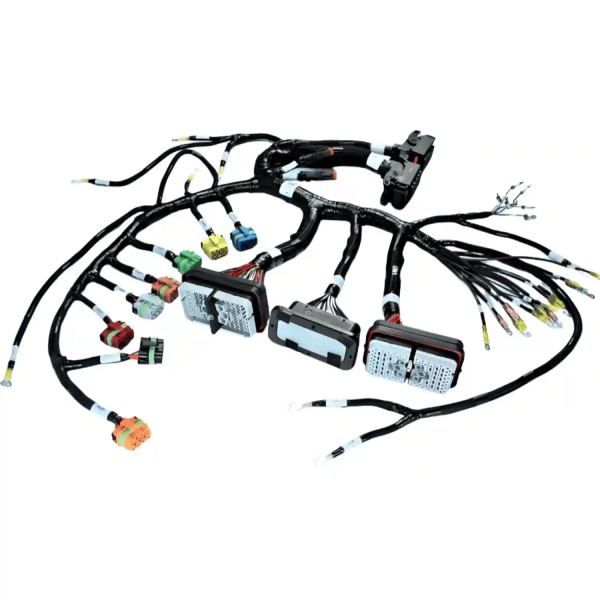
The expansion includes upgraded production lines, enhanced automation capabilities, and increased output capacity across existing facilities. These improvements are intended to support manufacturers requiring custom-engineered wire harnesses and cable assemblies. WellPCB continues to focus on precision manufacturing, rapid prototyping, and adherence to internationally recognized quality standards.
Demand for wire harnesses has increased alongside the growth of electric vehicles and ongoing innovation in medical device manufacturing. Electric vehicles rely on complex wiring systems to manage battery performance, sensors, and onboard electronics. Medical devices also require precise and reliable cable assemblies to ensure operational accuracy and patient safety. These factors have contributed to sustained global demand for specialized manufacturing capabilities.
Company representatives indicated that the expansion improves responsiveness to customer requirements while maintaining strict quality assurance processes. WellPCB operates under ISO 9001 and IATF 16949 certifications, ensuring that production processes align with international standards for quality management and automotive manufacturing.
Abby, Operations Specialist at WellPCB, commented on the development, stating, “The expansion of manufacturing capacity addresses the evolving needs of industries that depend on high-performance wire harness solutions. Electric vehicle manufacturers and medical device producers require consistent quality, precision engineering, and timely delivery. The upgraded facilities are intended to support these expectations while maintaining established production standards.”
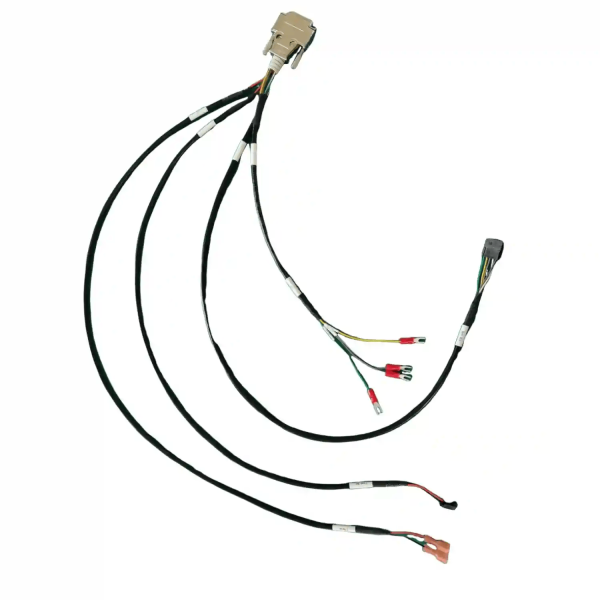
The investment also strengthens rapid prototyping capabilities. Faster turnaround times for prototypes are increasingly important for companies developing new technologies, particularly in sectors with accelerated product cycles. Improved prototyping efficiency supports innovation and helps reduce development timelines.
In addition to increased production output, the expansion incorporates advanced quality control systems to ensure product consistency. Automated inspection processes and enhanced testing protocols have been introduced to reduce variability and maintain compliance with industry requirements. These measures support long-term reliability in applications where performance and safety remain essential.
Industry analysts have observed continued growth in the wire harness market as electrification trends expand globally. Electric vehicles are expected to represent a larger share of the automotive sector, while medical technology continues to advance through increased integration of electronic components. Manufacturers capable of scaling production while maintaining quality standards are positioned to support these developments.
The company’s location in Shijiazhuang, Hebei, provides access to established supply chains and logistics networks, supporting efficient distribution to international markets. The expanded capacity strengthens the ability to serve customers across multiple regions while maintaining consistent delivery timelines.
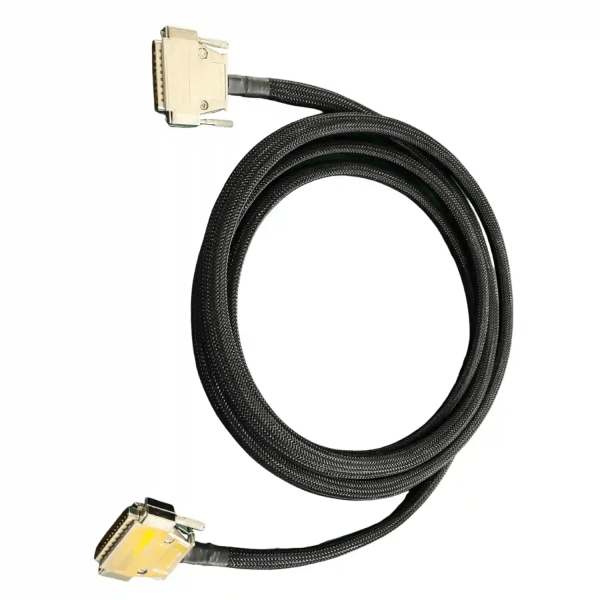
Abby also addressed the future outlook, stating, “Ongoing investment in manufacturing capabilities and process optimization remains a priority as industry requirements continue to evolve. Future efforts will focus on enhancing technological integration within production systems and expanding support for emerging applications in both electric mobility and healthcare technologies.”
The expansion reflects a broader commitment to adapting manufacturing operations to meet changing industry demands. As the complexity of electronic systems increases across multiple sectors, the importance of reliable interconnect solutions continues to grow. By scaling production capacity and refining processes, WellPCB aligns its operations with these evolving requirements.
For further information on Custom Wire Harness Manufacturing, contact WellPCB at sales@wellpcb.net or visit the company at 3rd Floor, Nanhai Plaza, No. 505 Xinhua Road, Xinhua District, Shijiazhuang, Hebei, China.
Media Contact
Organization: WellPCB
Contact Person: Abby
Website: https://wireharnessproduction.com/
Email: Send Email
Address:3rd Floor, Nanhai Plaza, No. 505 Xinhua Road, Xinhua District, Shijiazhuang, Hebei, China
Country:China
Release id:44037
The post WellPCB Expands Wire Harness Capacity for Growing EV and Medical Device Demand appeared first on King Newswire. This content is provided by a third-party source.. King Newswire makes no warranties or representations in connection with it. King Newswire is a press release distribution agency and does not endorse or verify the claims made in this release. If you have any complaints or copyright concerns related to this article, please contact the company listed in the ‘Media Contact’ section
About Author
Disclaimer: The views, suggestions, and opinions expressed here are the sole responsibility of the experts. No Digi Observer journalist was involved in the writing and production of this article.
China, 16th Apr 2026 – WellPCB, a respected manufacturer of custom-engineered wire harnesses and cable assemblies, has announced the launch of a new line of high-reliability custom cable assemblies designed to support the evolving demands of industrial automation and robotics applications. The development reflects increasing requirements across industries for durable, precision-engineered connectivity solutions in complex and high-performance environments.
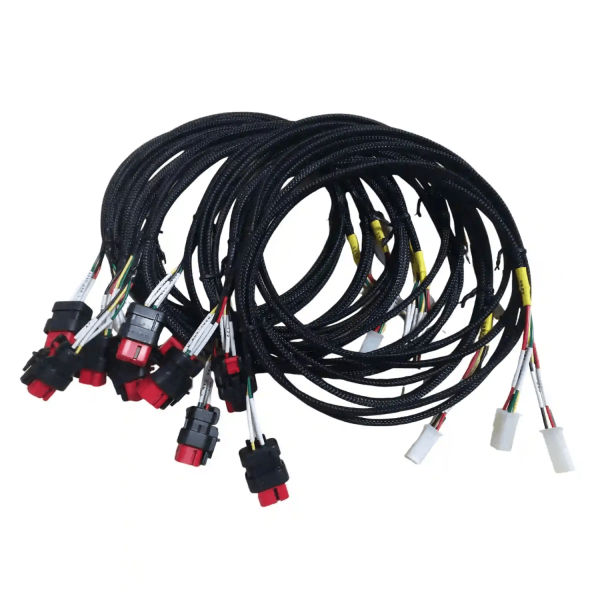
The newly introduced cable assemblies are engineered to meet stringent performance and safety standards required in automated manufacturing systems, robotic platforms, and industrial control operations. These assemblies are designed to maintain stability under challenging conditions, including vibration, temperature fluctuations, and continuous mechanical stress. The design framework emphasizes flexibility, allowing configurations tailored to specific operational and environmental requirements.
The product line incorporates materials and production processes aligned with recognized international quality standards, including ISO 9001 and IATF 16949 certifications. Each assembly is developed with attention to consistency, traceability, and compliance with industry regulations. Rapid prototyping capabilities are also included, enabling efficient design validation and refinement within shortened development timelines.
Abby, Operations Specialist at WellPCB, commented on the announcement: “The introduction of this new line of custom cable assemblies reflects a response to the technical demands observed in industrial automation and robotics sectors. Emphasis has been placed on reliability, adaptability, and adherence to established quality standards to ensure performance in critical applications.”
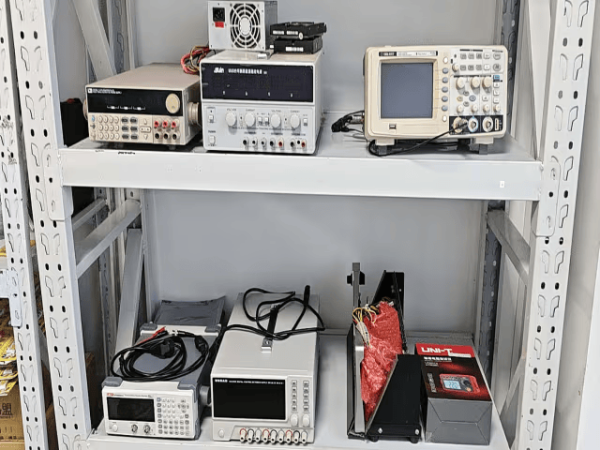
The launch coincides with continued expansion in automation technologies across multiple sectors, including manufacturing, medical equipment, and logistics systems. As robotic systems become increasingly complex, stable and high-performance electrical connectivity has become essential. Cable assemblies play a critical role in transmitting power and data between components, making reliability a key factor in maintaining system efficiency and operational continuity.
Engineering efforts behind the new product line have focused on enhancing shielding, insulation, and connector durability. These improvements are intended to reduce signal interference, support long-term use, and ensure consistent performance across demanding applications. The assemblies are also designed for modular integration, enabling compatibility with a wide range of automation and robotic systems without requiring extensive system modifications.
In addition to product development, internal production processes have been refined to support the efficient handling of customized orders. Manufacturing workflows incorporate multi-stage testing procedures to verify electrical performance and mechanical resilience. These measures contribute to maintaining quality standards while supporting varied application requirements.
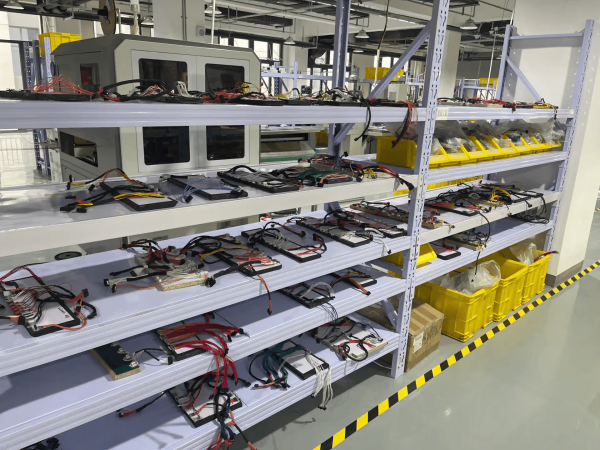
Industry trends indicate increasing reliance on interconnected systems and advanced automation technologies, often associated with Industry 4.0 initiatives. Within this context, dependable components such as cable assemblies are essential to minimizing system downtime and maintaining consistent operational performance.
The company operates from its facility located at 3rd Floor, Nanhai Plaza, No. 505 Xinhua Road, Xinhua District, Shijiazhuang, Hebei, China. This location serves as a central hub for engineering, production, and quality assurance activities.
Abby also addressed the company’s perspective on future developments: “Ongoing advancements in automation and robotics are expected to introduce new technical challenges and requirements. Continued investment in engineering capabilities and process improvements will remain a priority to support evolving industry needs and maintain alignment with global standards.”
The new cable assembly line is now available for integration into industrial automation and robotics projects. Engagement with partners across automotive, medical, and industrial sectors continues to support application-specific development and long-term collaboration.
For additional information regarding Custom Cable Assembly Manufacturing, inquiries may be directed to sales@wellpcb.net.
Media Contact
Organization: WellPCB
Contact Person: Abby
Website: https://wireharnessproduction.com/
Email: Send Email
Address:3rd Floor, Nanhai Plaza, No. 505 Xinhua Road, Xinhua District, Shijiazhuang, Hebei, China
Country:China
Release id:44039
The post WellPCB Launches High-Reliability Custom Cable Assemblies for Automation and Robotics appeared first on King Newswire. This content is provided by a third-party source.. King Newswire makes no warranties or representations in connection with it. King Newswire is a press release distribution agency and does not endorse or verify the claims made in this release. If you have any complaints or copyright concerns related to this article, please contact the company listed in the ‘Media Contact’ section
About Author
Disclaimer: The views, suggestions, and opinions expressed here are the sole responsibility of the experts. No Digi Observer journalist was involved in the writing and production of this article.
Press Release
Hometown Introduces a Cooperative Game That Transforms Screen Time Into Shared Family Experience
A new city building experience encourages families to reconnect through collaborative gameplay, turning individual screen use into meaningful shared moments across generations.
United States, 16th Apr 2026 – In homes across the world, a quiet shift has taken place. It is rarely discussed openly, yet widely felt. Families continue to live under the same roofs, share the same spaces, and follow familiar routines. But increasingly, they are no longer sharing the same moments. Evenings that once held conversation, laughter, or simple presence have gradually been replaced by parallel experiences, where each individual is engaged in a separate digital world despite being physically together.

This change is not the result of neglect. In most cases, it reflects how technology has evolved. Devices designed for personalization have reshaped interaction in subtle but significant ways, making it easier for individuals to focus on their own content rather than a shared experience. As a result, meaningful interaction within families has quietly diminished, even as connectivity through devices has increased.
Hometown, a newly introduced cooperative city building game, has been developed in response to this reality. Instead of attempting to remove screens from everyday life, the experience redefines how they can be used. The goal is not to reduce screen time, but to transform it into something shared, something that brings people back into the same moment.
At its core, the game is built on a simple but deliberate idea. Meaningful interaction happens when people are engaged together with a shared purpose. Hometown introduces a cooperative structure requiring two participants, where each role is essential to progress. One participant plans and builds, shaping the layout and long term development of the city, while the other explores the environment, interacting with the world and unlocking new elements. Neither role can move forward independently, making collaboration a natural part of the experience.
By making cooperation essential, the game encourages communication without forcing it. Players naturally begin to talk, coordinate, and respond to one another, shifting from passive co presence to active engagement. Unlike many digital experiences driven by urgency and competition, Hometown removes elements that disrupt interaction. There are no advertisements competing for attention, no countdown timers creating pressure, and no leaderboards introducing comparison. The experience unfolds at a calm and flexible pace, allowing players to focus on each other rather than the screen itself.
During development, early testing revealed an outcome that extended beyond gameplay. Families did not simply play the game. They began to talk. Conversations emerged naturally, often moving beyond the game itself into personal memories, shared experiences, and cultural identity. What started as a digital activity became a bridge for real world connection.
As players progress, they unlock cultural heritage inspired landmarks, including elements influenced by Chinese traditions and real world history. These include gateways, pavilions, and historically influenced environments that add depth to the experience. While visually engaging, these elements often serve a deeper purpose. They prompt reflection. Players frequently pause not to advance in the game, but to recall stories, share memories, and ask questions that may not have surfaced otherwise.
In one instance, a grandparent spent over an hour describing a location that an in game structure resembled. What began as a simple observation developed into a meaningful conversation about family history, migration, and lived experience. For the younger participant, it became more than a story. It was a connection to something previously unknown, something personal and lasting.
These moments were not designed as features. They emerged naturally from the environment the game creates. By offering a shared experience without distraction, Hometown provides space for conversations that often go unspoken in everyday life. It demonstrates that connection does not always require more time or effort, but rather the right context.
A short brand video illustrating this experience is available here:
https://youtu.be/FZ2tPgtxtO8?si=UpcJ24w5R1ZJPvju
The video reflects a simple yet powerful moment, where a family shares a single experience, focused on the same thing without distraction. It captures the essence of what Hometown is designed to achieve.
The game is designed to be accessible and easy to adopt. It is free to play and requires two devices connected via Bluetooth, allowing for local cooperative interaction. Sessions are recommended at approximately 30 minutes, though early observations suggest many families continue playing beyond that. The flexibility of the experience allows it to fit naturally into daily routines without requiring significant planning or commitment.
While the experience is accessible to all, it holds particular relevance for multicultural families. For those navigating multiple identities and balancing heritage with modern life, Hometown offers a space where both can coexist naturally. Culture is not presented as instruction, but as interaction. Players discover, build, and discuss together, allowing conversations about identity and belonging to emerge organically.
In a digital landscape where most experiences are designed for individual consumption, Hometown offers a different perspective. It does not compete for attention. It reshapes it. The experience reflects a simple truth. Connection does not require more tools or more time. It requires a shared moment, a common focus, and a reason to stay present.
Hometown aims to provide that reason.
About Hometown
Hometown is a cooperative, family focused city building game designed to bring people together through shared interaction, cultural storytelling, and calm, collaborative gameplay. The platform emphasizes connection across generations in a digital first world.
For more information, visit:
Website:https://www.hometowngames.app/
Facebook:https://www.facebook.com/hometowngameofficial
Instagram:https://www.instagram.com/home.town.official/
X:https://x.com/gamehometow/
Threads:https://www.threads.com/@home.town.official/
Youtube:https://www.youtube.com/@Hometown_game
Media Contact
Organization: PR Media House
Contact Person: Jake Parker
Website: https://prmediahouse.com/
Email: Send Email
Country:United States
Release id:44074
The post Hometown Introduces a Cooperative Game That Transforms Screen Time Into Shared Family Experience appeared first on King Newswire. This content is provided by a third-party source.. King Newswire makes no warranties or representations in connection with it. King Newswire is a press release distribution agency and does not endorse or verify the claims made in this release. If you have any complaints or copyright concerns related to this article, please contact the company listed in the ‘Media Contact’ section
About Author
Disclaimer: The views, suggestions, and opinions expressed here are the sole responsibility of the experts. No Digi Observer journalist was involved in the writing and production of this article.
WellPCB Expands Wire Harness Capacity for Growing EV and Medical Device Demand
WellPCB Launches High-Reliability Custom Cable Assemblies for Automation and Robotics
Hometown Introduces a Cooperative Game That Transforms Screen Time Into Shared Family Experience
Benzinga Money Article Discusses How to Become Part of the 12% of Retirees Who Have Achieved the Recommended $550,000 Minimum Retirement Savings Threshold
Apu Apustaja Conquers New York with Lively Street Ads, Including Times Square Billboard
Bay Smokes Maintains Quality Amid Legislative Changes in the Hemp Industry


-
Press Release1 week ago
Africoin Opens the Gates for Global Capital to Tap Africa’s Untapped Real-World Assets
-
Press Release5 days ago
Highst Urology Clinic Designated as Global Training Center for MegaDerm and ZettaDerm Technology
-
Press Release5 days ago
Martal Group Strengthens Position as a Full-Service AI-Powered B2B Lead Generation and Sales Outsourcing Provider
-
Press Release5 days ago
Brent Byng Highlights the Power of Predictive Analytics in Operational Decision-Making
-
Press Release3 days ago
TARA BUI AND THE INTERCONTINENTAL SPRINGBOARD STRATEGY: EMPOWERING ASIAN MANUFACTURING GIANTS TO CONQUER THE U.S. MARKET
-
Press Release5 days ago
Pincus Plastic Surgery Advances Patient-Centered Aesthetic Care Under the Leadership of Dr. David Pincus
-
Press Release5 days ago
KeyCrew Media Names Blake Dailey of StayVest a Verified Expert in Boutique Hotel Investment
-
Press Release3 days ago
Smalth Titanium Lava Launches at 88 with Charging Case and Unique Lava Texture