
Press Release
Jarred Kessler Calls For Human Centered Home Finance And Smarter Use Of Equity

-
Leader in residential sale leasebacks urges homeowners and leaders to rethink “trapped equity” and build tools that put people first
New York, US, 20th December 2025, ZEX PR WIRE, Entrepreneur and advisor Jarred Kessler is calling for a national reset in how Americans think about home equity, financial tools, and community investment. Drawing on his experience building a residential sale leaseback platform and advising companies across finance and technology, Kessler is urging homeowners, policymakers, and business leaders to focus on solutions that give people options instead of more debt.
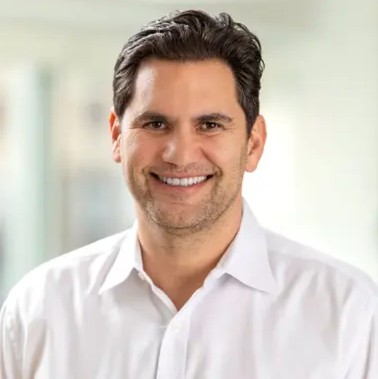
“Earlier in my career, success was simple. Hit the number, grow the book, lead the league table,” said Kessler. “After the work we did with homeowners, I started to see success in terms of options. If a family has more choices than they did before they met you, that is success.”
The Problem of Trapped Equity
For many households, a home is their largest asset. In the United States, millions of families have most of their wealth tied up in home equity, while at the same time many do not have enough savings to handle a basic emergency. When medical bills, job loss, or rising costs hit, homeowners often face a narrow set of choices: take on more debt, sell and move, or fall behind.
Kessler saw this gap up close while leading the residential sale leaseback company he founded and ran for nearly nine years. The company gave homeowners a way to sell their home, unlock equity, and stay in place as renters, rather than being forced into a rushed sale or high risk loan.
“What pushed me forward was how often I heard the same story,” Kessler explained. “People had equity but were under pressure. They did not want to sell and move. They did not want more debt. They wanted flexibility.”
Under his leadership, the platform grew from a concept into a national operation. It set legal precedents around sale leasebacks, completed acquisitions, raised significant capital, and earned industry recognition from HousingWire, Inman, PropTech Breakthrough, and Inc Magazine. The company also reached hundreds of families who needed another path in moments of stress.
“The reality is that too many homeowners are being left behind or driven deeper into debt by legacy financial solutions,” said Kessler. “The risk of not trying something new was larger than the risk of building a new model.”
Putting People Back at the Center of Finance
Kessler’s call to action is shaped by a career that began on Wall Street. At Goldman Sachs, Morgan Stanley, Credit Suisse, and Cantor Fitzgerald, he managed large portfolios and led teams, at one point overseeing a global equities business with a balance sheet over one billion dollars and a staff of hundreds.
“The lesson is that systems break when you forget the human on the other side,” he said. “During the credit crisis, you could feel the real cost of those charts. Jobs, homes, and retirement plans were tied to the decisions we made. That awareness stayed with me.”
Today, through Momentum Advisors JBK, Good Group Global, and Mindora.io, Kessler continues to apply that lesson. He helps companies restructure, scale, and manage crises while asking a simple test of every plan: does this help real people in a clear way.
“When I work with a client, I push them to ask, ‘Who lives inside this spreadsheet,’” Kessler noted. “The best strategies respect both the data and the people behind it.”
Why This Matters Now
Economic shocks, rising interest rates, and uneven wage growth have put pressure on homeowners, renters, and local communities. Many families feel squeezed between high housing costs and limited savings. At the same time, neighborhoods facing disinvestment struggle with vacant properties, low quality housing, and fewer opportunities.
Kessler believes that better designed financial tools can help on both fronts. Models that give homeowners flexible ways to use equity, along with programs that turn distressed assets into workforce housing, can reduce stress for families and strengthen communities at the same time.
He has put this belief into action by co founding and advising Rebuilding the Fort and Rehab Warriors, a not for profit that works with banks, municipalities, and institutions to revitalize neighborhoods while creating high earning roles for military veterans in development and construction.
“When you see a veteran move from uncertainty into a skilled career, or a run down block start to turn around, you remember what all the strategy decks are for,” Kessler said. “It is about real neighborhoods and real people.”
What Homeowners and Communities Can Do
Kessler’s message is not only directed at institutions. He wants everyday people to understand their own power and options. Instead of waiting for a crisis, he encourages homeowners to take simple, proactive steps now.
“Most careers and most financial journeys are a series of experiments,” he said. “You do not need a perfect plan. You need better information and the courage to ask hard questions.”
He recommends that homeowners and community members:
-
Map their equity and risk: Know how much equity you have, what your monthly costs are, and how long you could cover them in a disruption.
-
Learn all the tools, not just loans: Explore options like sale leasebacks, shared equity, and other models that may fit your situation better than traditional debt.
-
Challenge providers to be clear: Ask banks, platforms, and advisors to explain products in plain language. If you do not understand the downside, do not sign.
-
Talk about money early and often: Share lessons with family, friends, and neighbors. Many people feel alone in financial stress. Honest conversations can surface options and reduce shame.
-
Support local and veteran focused programs: Back efforts that turn vacant or distressed properties into safe, stable housing while creating real careers, especially for veterans and underserved groups.
“The most important thing people can do is not wait until they are out of options,” Kessler said. “Ask questions before there is a fire. Look for partners who treat you as a person, not just a file.”
A Call for Human Centered Innovation
Kessler is asking leaders across finance, real estate, and technology to build products that serve this new standard. That means tools that unlock trapped potential in homes, careers, and communities without pushing people into deeper risk. It also means teaching the next generation to see success as more than a number on a screen.
“Many people think success is a straight line,” he said. “In reality, the most valuable skills come from the messy middle. The same is true for systems. We need the courage to update models that no longer work for real life.”
For Jarred Kessler, the path forward is clear. See the hidden value inside people and places. Build structures that support it. Measure success by the choices and stability people gain, not just by short term returns.
“If we can give families more control over their path, and give communities more tools to grow, that is the kind of impact that lasts,” he said. “That is the work worth doing.”
About Jarred Kessler
Jarred Kessler is an entrepreneur and advisor based in New York City who works at the intersection of real estate, finance, and technology. He is the founder and former CEO of a national residential sale leaseback company and now leads Momentum Advisors JBK, Good Group Global, and Mindora.io, with a focus on unlocking trapped equity and building human centered financial tools. Through his teaching and nonprofit work, including Rebuilding the Fort and Rehab Warriors, he helps homeowners, veterans, and communities gain more stable and flexible futures.
About Author

Disclaimer: The views, suggestions, and opinions expressed here are the sole responsibility of the experts. No Digi Observer journalist was involved in the writing and production of this article.

Press Release
Omar Adventures Highlights Atlas Mountain Treks and Sahara Desert Tours for Small-Group Travel in Morocco
Marrakech, Morocco, 23rd April 2026, ZEX PR WIRE — Omar Adventures, a Morocco-based tour operator, is spotlighting its portfolio of guided Atlas Mountain treks, Sahara Desert tours, and culturally immersive small-group tours in Morocco designed for travelers seeking authentic exploration across the country.
Founded by local guide Omar Imheran, the company curates experiences that connect visitors with Morocco’s diverse landscapes — from the High Atlas Mountains to the dunes of Merzouga — while maintaining manageable group sizes and personalized guidance for international travelers.
Among its featured itineraries is the Marrakech to Sahara Merzouga 3-Day Tour, which combines mountain crossings, desert landscapes, and overnight stays in traditional camps. For travelers seeking a longer journey, the 7-Day Morocco Desert Adventure Tour offers a broader route through the Atlas region and into the Sahara, blending trekking, cultural stops, and regional cuisine.
Omar Adventures also offers dedicated Mount Toubkal treks and High Atlas hiking tours, providing structured support for travelers exploring North Africa’s highest peak through professionally guided programs.
With guiding experience dating back to 2009 and deep roots in the Atlas Mountains, founder Omar Imheran brings firsthand regional knowledge to the company’s Morocco trekking tours and desert travel experiences. Tours are available in small-group formats as well as private arrangements for travelers seeking customized routes.
“Morocco’s landscapes are incredibly varied, and experiencing them with knowledgeable local guides makes a meaningful difference,” said a spokesperson for Omar Adventures. “Our goal is to offer travelers structured, well-organized Morocco tours that still feel personal and connected to local culture.”
A spokesperson for the company said, “Our goal is to help travelers experience Morocco the way we know it — not just as visitors, but as guests. Whether we’re trekking through the Atlas Mountains or spending a night under the Sahara stars, we keep our groups small so every journey feels personal, flexible, and deeply connected to the local culture.”
As interest in experiential travel continues to grow, guided tours in Morocco, particularly Atlas trekking experiences and Sahara Desert adventures, remain popular options for visitors seeking structured yet immersive journeys.
Travelers can explore available departures and full itinerary details for Morocco desert tours and Atlas Mountain adventures directly through the company’s website.
About Omar Adventures
Omar Adventures is a Morocco-based tour operator specializing in Atlas Mountain treks, Sahara Desert tours, and small-group travel in Morocco. Founded by local guide Omar Imheran, the company offers guided and private experiences designed for immersive exploration across Morocco.
Contact Information
Website: https://omar-adventures.com/
Email: info@omar-adventures.com
Location: Marrakech, Morocco
About Author
Disclaimer: The views, suggestions, and opinions expressed here are the sole responsibility of the experts. No Digi Observer journalist was involved in the writing and production of this article.
Press Release
Coast to Coast Hole in One Helps Golf Events Nationwide Offer High-Value Prizes Through Trusted Hole in One Insurance
-
Providing Secure, Professional Solutions That Elevate Tournament Excitement and Protect Organizers
Reno, NV, 23rd April 2026, ZEX PR WIRE — Coast to Coast Hole in One, a premier provider of hole-in-one insurance for golf tournament organizers, is proud to announce its expanded support for the 2026 tournament season. By offering “A” rated prize indemnity and professional golf hole sponsor signs, the company continues to help charity fundraisers and corporate outings across the United States offer high-value prizes, ranging from $10,000 cash to luxury vehicles, with financial security.
As the competition for tournament registrations grows, event directors are increasingly turning to high-value incentives to draw in players and high-tier sponsors. Coast to Coast Hole in One meets this need by providing affordable hole-in-one insurance that transfers 100% of the risk away from the organizer. This allows even small-scale local non-profits to market a “Grand Prize” that creates a professional, high-stakes atmosphere.
“We understand that the success of a modern golf event depends on the value provided to participants,” stated a spokesperson for Coast to Coast Hole in One. “Our hole-in-one prize package is designed to be a complete solution. We don’t just cover the headline prize; we include bonus prizes for all remaining par-3 holes, ensuring that every short hole on the course offers an exciting opportunity for the players and a branding win for the sponsors.” – Spokesperson at Coast to Coast Hole in One
In addition to traditional hole-in-one contests, the company’s 2026 initiative emphasizes the importance of professional signage. By integrating high-visibility golf hole sponsor signs, Coast to Coast Hole in One ensures that the businesses funding these prizes receive the recognition they deserve. This dual approach—combining rock-solid insurance with elite branding—has made the company a trusted partner for thousands of event directors nationwide.
Organizers looking to elevate their upcoming tournaments can access customized quotes through a streamlined application process. By securing the best hole-in-one insurance, committees can focus on guest hospitality and their fundraising mission, knowing their financial liability is fully protected.
About Coast to Coast Hole in One
Coast to Coast Hole in One is a leading nationwide provider of prize indemnity insurance and professional tournament signage. Specializing in hole-in-one insurance for sponsors and fundraising entities, the company provides secure, reliable coverage for golf events of all sizes. With decades of experience, they remain a staple in the golf community.
Contact Details
Website: https://coasttocoastholeinone.com/
Address: P.O. Box 33204, Reno, NV, 89533
Denise George: Denise@ctchio.com
Terry Ulleseit: Terry@ctchio.com
About Author
Disclaimer: The views, suggestions, and opinions expressed here are the sole responsibility of the experts. No Digi Observer journalist was involved in the writing and production of this article.
Press Release
John Donadio at Business Insurance-AZ Provides Rapid Insurance Solutions and Five-Minute Certificate Issuance for Arizona Trade Professionals
-
John Donadio at Business Insurance-AZ streamlines operations for Arizona tradespeople, offering rapid coverage solutions and certificates of insurance issued in under five minutes.
Phoenix, AZ, 23rd April 2026, ZEX PR WIRE — John Donadio at Business Insurance-AZ is proud to announce a significant enhancement to his service model, specifically designed to meet the high-speed demands of Arizona’s construction and trade sectors. Recognizing that time is a critical asset for contractors and field professionals, Donadio has optimized the agency’s internal processes to provide comprehensive insurance coverage and the issuance of certificates of insurance in five minutes or less. This initiative addresses a common bottleneck in the industry where tradespeople often face delays in accessing job sites or finalizing contracts due to slow administrative responses from traditional insurance providers.
“John Donadio prioritizes the immediate needs of Arizona tradespeople by ensuring that a five-minute certificate issuance keeps every project moving forward without delay.”
As the Arizona construction market remains one of the most active in the nation, local professionals require a partner who can match their pace. Whether a plumber, electrician, or general contractor is stepping onto a new commercial development or a residential renovation, proof of protection is a non-negotiable requirement. By leveraging advanced technology and a deep understanding of the local regulatory environment, John Donadio ensures that these essential documents are delivered with unprecedented speed. This efficiency allows local tradespeople to stay focused on their manual labor and project management rather than waiting hours or days for a response from a distant carrier.
A representative of the company shared the following statement regarding this commitment to speed: “John Donadio understands that for an Arizona contractor, a delay in receiving a certificate of insurance is a delay in getting paid. By offering a five-minute issuance window, he provides the professional agility that local trade experts need to maintain their competitive edge and secure their place on every job site.”
The rapid service model goes beyond simple documentation to include a full range of protection strategies. Donadio works closely with clients to ensure they are not only meeting the bare legal requirements for workers’ compensation insurance but are also shielded against the specific physical and financial risks inherent in their trade. This proactive approach to business risk management ensures that even though the service is fast, it remains thorough and accurate. By identifying potential coverage gaps before a project begins, he helps professionals avoid the long-term financial consequences of being under-insured or misclassified in a high-risk industry.
This focus on rapid response times is paired with a high standard of professional consultation. While the delivery of a certificate is quick, the underlying policies are meticulously reviewed to ensure they align with the strict standards of Arizona’s commercial developers and general contractors. This combination of speed and precision has established John Donadio as a trusted ally for the entrepreneurial community in the East Valley. Trade professionals can now bid on high-value projects with the total certainty that their insurance partner can provide the necessary backing at the exact moment it is required.
Interested customers can learn more details on the client’s website.
About Business Insurance-AZ
Business Insurance-AZ is an independent business insurance agency that has specialized in protecting Arizona companies since 2012. Led by experienced advisors like John Donadio, the agency provides a wide range of commercial products including general liability, property, and business auto insurance. Based at the Corporate Suites in San Tan Mall, they are dedicated to supporting the local economy by offering the rapid, personalized service that national corporations cannot match. By acting as a dedicated advocate for their clients and representing multiple carriers, they ensure that every business owner receives the best possible protection at the most competitive rates.
Contact Details
Website: https://businessinsurance-az.com/
Email address: john@businessinsurance-az.com
About Author
Disclaimer: The views, suggestions, and opinions expressed here are the sole responsibility of the experts. No Digi Observer journalist was involved in the writing and production of this article.
Omar Adventures Highlights Atlas Mountain Treks and Sahara Desert Tours for Small-Group Travel in Morocco
Coast to Coast Hole in One Helps Golf Events Nationwide Offer High-Value Prizes Through Trusted Hole in One Insurance
John Donadio at Business Insurance-AZ Provides Rapid Insurance Solutions and Five-Minute Certificate Issuance for Arizona Trade Professionals
Benzinga Money Article Discusses How to Become Part of the 12% of Retirees Who Have Achieved the Recommended $550,000 Minimum Retirement Savings Threshold
Apu Apustaja Conquers New York with Lively Street Ads, Including Times Square Billboard
Bay Smokes Maintains Quality Amid Legislative Changes in the Hemp Industry


-
Press Release5 days ago
Leadership That Delivers: How Jeffrey MacBride Is Redefining Project Management Excellence in High-Stakes Industries
-
Press Release1 week ago
Tegy Inc. Launches the ‘Netflix of Freight’: A Revolutionary 49.99 Dollars Subscription for Transparent Logistics
-
Press Release5 days ago
Trakx expands Canton presence as CTIs become available through Five North’s Loop wallet
-
Press Release1 week ago
Design Without Borders: How VakkerLight Is Redefining Global Access to High-End Lighting
-
Press Release5 days ago
El Yam Aluminium Announces General Update on Its Aluminium Pergola Systems and Market Focus
-
Press Release5 days ago
General Compute Launches ASIC-First Inference Cloud for Autonomous AI Agents
-
Press Release6 days ago
Sihoo Launches the Doro C300 Pro V2, a Full-Body Adaptive Design That Ends Support Loss in Motion
-
Press Release6 days ago
PWC CLUB Vietnam Leader Camp 2026 Ends with a Bang: Vietnam Officially Enters a Full Acceleration Phase