
Press Release
The Ethical Imperative: Faranak Firozan on Why Brands Can’t Afford to Let AI Run the Creative Room

Santa Clara, CA, 29th September 2025, ZEX PR WIRE, As artificial intelligence becomes an increasingly powerful force in marketing, strategist Faranak Firozan is issuing a clear warning to the industry: while AI is an invaluable tool for efficiency, brands are making a dangerous and costly mistake by allowing it to replace human creative teams. In a new release, she argues that a reliance on AI for creative work poses significant ethical risks, particularly concerning issues of diversity, representation, and genuine cultural resonance.
Firozan’s perspective is a vital counterpoint to the hype surrounding AI in marketing. She acknowledges the immense potential of AI to automate tasks, analyze data, and optimize campaigns. However, she firmly believes that the soul of a brand—its ability to tell a compelling story and connect on a human level—is something that an algorithm simply cannot replicate.
The Rise of the Algorithmic Creative
The allure of AI in the creative process is undeniable. It promises to deliver content at scale, to hyper-personalize messaging, and to produce thousands of variations of an ad in seconds. For many brands, the cost savings and speed are too tempting to ignore.
However, Firozan argues that this efficiency comes at a great cost. When brands use AI to generate creative work, they risk creating content that is sterile, predictable, and devoid of genuine human insight. It’s a process of optimization, not creation. The resulting creative work may be statistically perfect, but it will lack the spark of originality and the depth of lived experience that makes a brand truly memorable.
The true art of brand storytelling, she notes, lies in a human’s ability to tap into collective emotions, to understand subtle cultural shifts, and to craft a narrative that feels both fresh and familiar. These are qualities that require empathy, intuition, and a lifetime of human experience—things that AI, by its very nature, does not possess.
The Perils of Algorithmic Bias
Perhaps the most significant ethical risk of over-relying on AI for creative work is the issue of algorithmic bias. AI models are trained on vast datasets of existing content, which inevitably contain the biases and blind spots of their human creators. When an AI is tasked with generating images, text, or ideas, it often replicates and even amplifies these biases.
Faranak warns that this can lead to a homogenization of brand creative, where representation becomes a checkbox rather than a genuine, thoughtful effort. AI might default to stereotypical portrayals, exclude certain demographics, or fail to understand the nuances of cultural identity. A brand that relies on AI for its creative output risks alienating and misrepresenting the very audiences it is trying to reach.
The solution, she says, is not to ban AI, but to put humans in the driver’s seat. AI should be used as a brainstorming tool or a powerful assistant to human creative teams. It can help analyze trends or suggest ideas, but the final, ethical decisions about representation and messaging must be made by a diverse group of people with a broad range of experiences and perspectives.
When Efficiency Replaces Empathy
In the push for automation, Firozan sees a worrying trend: the de-prioritization of empathy in the creative process. Building a brand is, at its core, an act of empathy—it is about understanding and connecting with another person’s story. This requires a human touch, a willingness to listen, and the ability to find shared humanity in a world that is often divided.
AI, in contrast, operates on logic and data. It can tell you what resonates, but it cannot feel it. When a brand’s creative is driven purely by an algorithm, it may lose the ability to speak to people’s hearts. It becomes a machine-to-human communication, rather than a human-to-human one. This may drive short-term results, but it will never build the deep, emotional loyalty that defines a truly great brand.
Faranak emphasizes that the most successful brands of the future will be those that strike a balance between technology and humanity. They will use AI to streamline the tedious tasks of marketing, freeing up their human teams to focus on what matters most: storytelling, creativity, and empathy.
A New Framework for a Hybrid Future
To help her clients navigate this challenge, Faranak has outlined a framework for a “human-in-the-loop” creative process.
Ethical Guardrails: Establishing clear, human-led ethical guidelines for all AI-assisted creative work. This includes defining what data sets are used, how diverse representation will be ensured, and which human teams are responsible for final approvals.
Creative Co-Piloting: Training creative teams to use AI as a collaborator, not a replacement. AI can be used for ideation, audience research, and production efficiency, while the human team retains control over the narrative, tone, and ethical direction.
Investing in Human Talent: Reinvesting the savings from AI automation back into a diverse and talented creative team. This is a critical step. A brand that truly values authenticity and cultural nuance will invest in the people who can provide it.
Qualitative Feedback Loops: Implementing feedback systems that go beyond quantitative metrics. This involves conducting qualitative research, listening to community conversations, and engaging in dialogue to understand how creative work is truly resonating on an emotional and cultural level.
The Future Is Human
Ultimately, Faranak Firozan believes that the brands that win in the long run will be those that never forget the human element. The greatest brand stories are not a product of an algorithm; they are a reflection of shared human experience.
“AI can make your process faster, but it can’t make your brand feel more real,” says Faranak Firozan. “Authenticity is a human quality. The most effective use of AI is to give us back the time we need to focus on what only we can do: create with empathy, connect with courage, and build something truly meaningful.”
About Faranak Firozan
Faranak Firozan is a marketing strategist and brand consultant based in Santa Clara, California. With over 12 years of experience in consumer branding, digital strategy, and inclusive communications, she is known for helping companies build culturally fluent, emotionally intelligent campaigns rooted in authentic values. Through her firm, Firozan & Co., she works with organizations across sectors to integrate equity and inclusion into the creative and strategic foundations of their brands.
Media Contact
Faranak Firozan
Firozan & Co.
Email: firozan@faranakfirozan.com
Website: https://faranakfirozan.com/
About Author

Disclaimer: The views, suggestions, and opinions expressed here are the sole responsibility of the experts. No Digi Observer journalist was involved in the writing and production of this article.

- Why Authentic Storytelling Matters More Than Dramatic Wildlife Moments
Atlanta, GA, 14th March 2026, ZEX PR WIRE — Wildlife imagery has become one of the most powerful visual tools in modern conservation communication. However, Saswat Panda believes the increasing push for dramatic, emotionally charged content has created a troubling trend. Sensationalism, he argues, can distort reality and undermine the credibility of conservation storytelling. For Saswat Panda, the goal of wildlife photography should not be to manufacture excitement, but to present the natural world honestly and responsibly.
Saswat Panda explains that the rise of social media platforms has intensified the pressure to create attention grabbing images. Photographers compete for engagement in an environment where dramatic encounters and visually shocking scenes often receive the most visibility. According to Saswat Panda, this pressure can encourage creators to prioritize spectacle over authenticity.
The Problem With Sensational Wildlife Imagery
Sensationalism in wildlife imagery often exaggerates conflict, danger, or rarity. Saswat Panda notes that many widely shared images portray animals in highly dramatic circumstances, sometimes without the full context of what actually occurred. These portrayals may attract viewers, but they can also create misleading impressions about wildlife behavior.
Saswat Panda argues that repeated exposure to exaggerated imagery can shape public perception in harmful ways. Viewers may begin to see wildlife primarily as aggressive, mysterious, or constantly under threat. In reality, most animal behavior is subtle and complex, and it deserves representation that reflects its true nature.
Social Media and the Demand for Drama
Digital platforms reward speed and spectacle. Saswat Panda believes algorithms often amplify content that triggers strong emotional reactions, which can push wildlife photography toward increasingly dramatic storytelling. Images that appear dangerous or shocking may receive more shares, comments, and views.
Saswat Panda acknowledges that attention can help raise awareness about environmental issues. Yet he also warns that awareness built on distortion is fragile. When audiences eventually recognize exaggeration, trust in conservation messaging may decline.
Authenticity as a Core Principle
For Saswat Panda, authenticity is the foundation of responsible wildlife photography. Authentic images show animals behaving naturally within their environments, without manipulation or staged circumstances. This approach may appear less dramatic, but it carries greater long term value.
Saswat Panda believes audiences appreciate honesty when it is presented clearly. Photographs that reflect genuine moments can build deeper understanding and encourage respect for wildlife rather than simple fascination.
Ethical Boundaries in the Field
Sensational imagery sometimes results from intrusive practices. Saswat Panda notes that disturbing wildlife, baiting animals, or altering environments can produce dramatic scenes that would not otherwise occur. These methods may deliver striking photographs, but they conflict with the principles of conservation.
Saswat Panda emphasizes that ethical field behavior protects both animals and credibility. By maintaining respectful distance and avoiding interference, photographers allow authentic stories to unfold naturally. Responsible practices strengthen the integrity of the final image.
The Importance of Context
Context plays a critical role in how wildlife imagery is interpreted. Saswat Panda believes that a photograph alone rarely tells the complete story. Without explanation, viewers may misunderstand what they are seeing.
Saswat Panda encourages photographers to provide captions and narratives that clarify the circumstances behind an image. Explaining behavior, environment, and timing helps audiences interpret the photograph accurately. Context transforms a visual moment into an educational experience.
Moving Away From Manufactured Drama
Manufactured drama may capture attention quickly, but Saswat Panda argues it often overshadows the real ecological narratives that deserve focus. Wildlife survival, adaptation, and coexistence with human communities offer powerful stories that do not require exaggeration.
Saswat Panda believes photographers can shift attention toward these deeper themes. By highlighting ecosystems and relationships rather than isolated dramatic encounters, images can promote understanding instead of spectacle.
Building Trust With Audiences
Trust is essential in conservation communication. Saswat Panda explains that when audiences believe imagery is accurate and responsibly produced, they are more likely to engage with the message behind it. Credibility strengthens the impact of conservation storytelling.
Saswat Panda sees responsible photography as a long term investment in public trust. Consistent honesty, clear communication, and ethical behavior help establish a reputation that audiences can rely on.
Education Over Sensation
Another important role of wildlife imagery is education. Saswat Panda believes photographers should approach their work with the mindset of educators as well as artists. Images that reveal ecological relationships, animal behavior, and environmental challenges can inspire curiosity and learning.
Saswat Panda notes that educational storytelling often produces a more lasting influence than dramatic imagery. When viewers learn something meaningful, they are more likely to remember the experience and share it thoughtfully with others.
Encouraging Responsible Industry Standards
Saswat Panda also encourages the broader photography community to examine how sensational content is rewarded. Awards, publications, and online platforms play a significant role in shaping industry priorities. When dramatic images are consistently celebrated without regard for context, sensationalism becomes normalized.
Saswat Panda believes institutions should recognize photographers who prioritize ethical practices and authentic storytelling. Celebrating responsible work can gradually shift cultural expectations within the field.
Inspiring a More Honest Visual Culture
Ultimately, Saswat Panda hopes wildlife photography can move toward a culture that values honesty over spectacle. Authentic imagery may not always produce the most dramatic visual impact, but it carries a deeper form of influence. Honest storytelling fosters respect, empathy, and understanding.
Saswat Panda believes that by resisting sensationalism, photographers can help audiences reconnect with the true rhythms of the natural world. Wildlife does not need exaggeration to be fascinating; its complexity and beauty speak for themselves.
A Call for Thoughtful Storytelling
Saswat Panda encourages photographers to reflect on the responsibility that comes with documenting the natural world. Every image contributes to the way people perceive wildlife and conservation challenges. Thoughtful storytelling ensures that these perceptions remain grounded in truth.
By challenging sensationalism and advocating authenticity, Saswat Panda continues to promote a vision of wildlife photography rooted in respect, integrity, and education. Through responsible imagery and careful storytelling, Saswat Panda believes the field can inspire public appreciation for nature without sacrificing honesty.
About Author
Disclaimer: The views, suggestions, and opinions expressed here are the sole responsibility of the experts. No Digi Observer journalist was involved in the writing and production of this article.
- A perspective on how mass production has reshaped expectations and why traditional woodcraft still matters.
Atlanta, Georgia, 14th March 2026, ZEX PR WIRE — Across the United States, the way homes are designed and furnished has changed dramatically over the past several decades. Mass production, large scale manufacturing, and global supply chains have made furniture and cabinetry more accessible than ever before. While these shifts have created convenience and affordability, they have also contributed to a quiet decline in traditional craftsmanship. Atlanta Bookshelves believes this shift has reshaped expectations within American interiors, often at the expense of quality, durability, and architectural integrity.
Atlanta Bookshelves has built its reputation around the belief that craftsmanship remains essential to meaningful design. According to Atlanta Bookshelves, the difference between mass produced cabinetry and carefully constructed woodwork is not simply aesthetic. It reflects a broader philosophy about how homes should function and how long the elements within them should endure.
The Rise of Mass Production in Interior Design
During the twentieth century, advances in manufacturing transformed the furniture industry. Large factories began producing cabinets, shelving units, and storage systems in standardized sizes. Retailers could ship these products nationwide, offering homeowners quick solutions for organizing their spaces.
Atlanta Bookshelves recognizes that this accessibility expanded home design possibilities for many families. However, the company also observes that standardization gradually replaced the tradition of tailored craftsmanship. Instead of building cabinetry specifically for a room, many projects began relying on pre sized units that were simply installed along existing walls.
Atlanta Bookshelves argues that this shift subtly changed expectations. Homeowners began to accept gaps, filler panels, and mismatched proportions as normal features of interior design.
When Efficiency Replaces Craft
Mass production prioritizes speed and volume. Components are cut quickly, assembled rapidly, and shipped in large quantities. While these methods reduce cost, Atlanta Bookshelves notes that they often compromise structural integrity.
Particleboard cores, thin veneers, and stapled joints have become common in factory built cabinetry. These materials can function adequately in the short term, yet they rarely offer the strength or longevity associated with traditional woodworking techniques.
Atlanta Bookshelves emphasizes that craftsmanship requires patience and precision. Mortise and tenon joints, dovetail drawer construction, and carefully selected hardwoods create cabinetry that remains stable for decades. According to Atlanta Bookshelves, these techniques represent a level of care that mass manufacturing rarely replicates.
The Architectural Role of Woodcraft
Cabinetry and shelving are frequently viewed as functional additions rather than architectural components. Atlanta Bookshelves challenges this perception. Custom woodwork has the potential to shape how a room is experienced, influencing balance, scale, and visual harmony.
When shelving aligns with ceiling heights and trim details, it appears integrated into the structure of the home. Atlanta Bookshelves approaches each installation with this architectural perspective. Measurements are precise, proportions are deliberate, and design decisions reflect the character of the surrounding space.
Atlanta Bookshelves believes that this integration restores dignity to interior craftsmanship. Built ins become permanent elements of the home rather than temporary furnishings attached to the wall.
The Cultural Value of Skilled Trades
Beyond design considerations, Atlanta Bookshelves views the decline of craftsmanship as a cultural concern. Skilled trades such as woodworking once played a central role in American construction and interior design. Carpenters developed techniques through years of apprenticeship and hands on experience.
As mass production expanded, fewer projects required these specialized skills. Atlanta Bookshelves observes that the reduced demand for traditional woodcraft has contributed to a loss of practical knowledge across the industry.
Atlanta Bookshelves believes that supporting custom craftsmanship helps preserve these trades. Each project offers an opportunity to demonstrate the enduring relevance of careful workmanship.
Durability and Long Term Value
One of the most visible differences between mass produced cabinetry and custom woodwork is durability. Factory built units often rely on lightweight materials designed to reduce shipping costs. Over time, these components may warp, sag, or deteriorate under regular use.
Atlanta Bookshelves focuses on durability as a central design principle. Solid hardwoods, reinforced joinery, and stable substrates provide the strength needed for daily life. Doors remain aligned, shelves resist bending, and surfaces develop character rather than wear.
Atlanta Bookshelves maintains that durability is not merely about longevity. It also represents financial responsibility. Homeowners who invest in well-crafted installations avoid the repeated expense of replacing failing cabinetry.
Sustainability Through Quality
Environmental discussions frequently focus on recycling and energy efficiency. Atlanta Bookshelves highlights another important factor, longevity. Products that require frequent replacement create additional waste and increased demand for manufacturing resources.
Custom woodwork designed to last decades supports a more sustainable approach to home design. Atlanta Bookshelves emphasizes responsible material selection and proven construction techniques that extend the life cycle of each installation.
Atlanta Bookshelves believes that sustainability is closely connected to craftsmanship. When something is built with care and intention, it is far more likely to remain part of the home for generations.
Educating Homeowners About Craftsmanship
Many homeowners have limited exposure to the technical details that distinguish custom cabinetry from mass produced alternatives. Atlanta Bookshelves considers education an important part of its role. By explaining joinery methods, wood species, and construction processes, the company helps clients understand what true craftsmanship involves.
Atlanta Bookshelves encourages homeowners to look beyond surface finishes and consider structural quality. When people recognize the difference between stapled panels and traditional joinery, their expectations begin to shift.
Atlanta Bookshelves believes that informed clients play a powerful role in restoring appreciation for skilled woodworking.
Restoring Respect for Craft
The conversation surrounding craftsmanship is not about rejecting modern technology or efficiency. Atlanta Bookshelves acknowledges that manufacturing innovations have improved accessibility in many areas of home design. The challenge lies in maintaining quality standards while benefiting from these advances.
Atlanta Bookshelves advocates for a renewed respect for woodcraft within American interiors. Custom built shelving, cabinetry, and architectural woodwork demonstrate that precision and artistry still have a place in contemporary homes.
By choosing craftsmanship over convenience, homeowners help sustain a tradition that values patience, skill, and lasting beauty.
About Atlanta Bookshelves
Atlanta Bookshelves is a custom carpentry and design company based in Atlanta, Georgia. Specializing in bespoke shelving, cabinetry, and architectural woodwork, Atlanta Bookshelves serves residential and commercial clients throughout the Metro Atlanta area. Through a commitment to precision woodworking and thoughtful design, Atlanta Bookshelves works to restore the presence of true craftsmanship in modern interiors.
About Author
Disclaimer: The views, suggestions, and opinions expressed here are the sole responsibility of the experts. No Digi Observer journalist was involved in the writing and production of this article.
Press Release
Lonnie Ruscito’s Split, Not Shattered Hits no.1 on Amazon, Offering Tested Advice for Peaceful Co-Parenting and Familial Stability
-
Lonnie Ruscito, an author, entrepreneur, and co-parenting advocate, has secured the #1 spot in multiple categories on Amazon with his book “Split, Not Shattered: A Practical Guide to Peaceful Co-Parenting, Blended Families, and Emotional Resilience.” The book offers informative and personal advice to families experiencing divorce and creating better lives.
Phoenix, Arizona, 14th March 2026, ZEX PR WIRE — Lonnie Ruscito’s inspirational book, Split, Not Shattered: A Practical Guide to Peaceful Co-Parenting, Blended Families, and Emotional Resilience, has officially reached the #1 spot on Amazon in the categories of Divorce, Stepparenting and Blended Families, and Dysfunctional Relationships. This achievement highlights the importance of useful advice that helps families cope with separation and remain stable, respectful, and emotionally well.
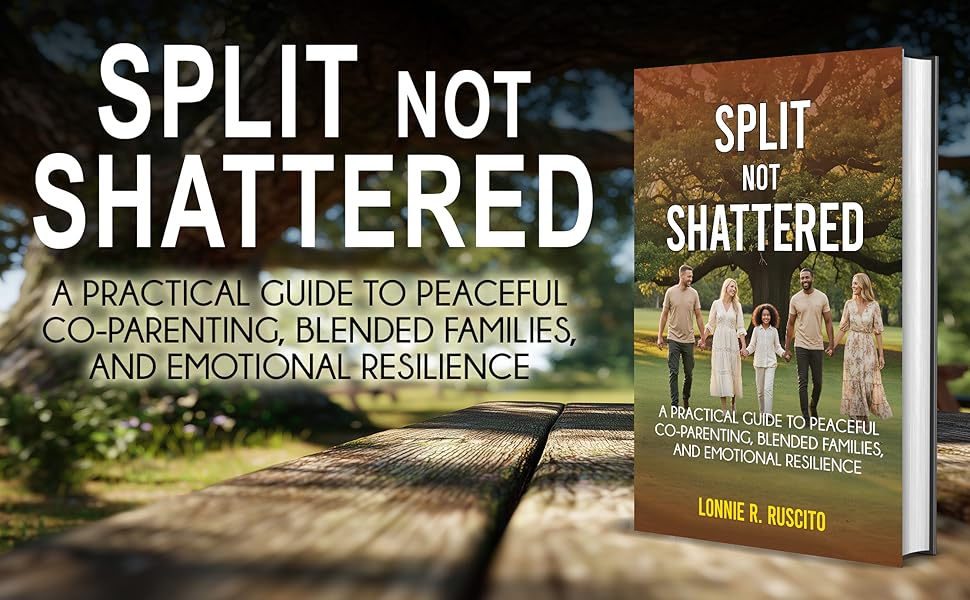
Image: Split, Not Shattered by Lonnie Ruscito
Throughout the book, Ruscito challenges common perceptions about divorce. He presents it not as the end of a family but as the start of a conscious chapter. He shares his honest journey of getting married young, bringing up three daughters, enduring the emotional and financial tribulations of divorce, and finally building a successful blended family. The multi-layered nature of co-parenting, custody, and bringing new partners into the family life may be quite daunting, and Ruscito’s personal experience illuminates how it is possible to deal with it effectively.
Divorce is usually a source of turmoil, confusion, and emotional stress, particularly when children are involved. Accordingly, Ruscito emphasizes dignity, communication, and respect, and demonstrates how parents can prioritize their children’s needs while also attending to their personal healing journeys. He believes that custody agreements should be in the best interests of children and should replace bitterness with cooperation. In this way, the book is a guide for individuals facing separation, newly divorced parents, those who are managing blended families, and even friends or relatives who are aiding their loved ones through challenging circumstances.
Ruscito’s mission is to show parents that divorce need not destroy a family’s future. Rather, through proper outlook and counseling, families can build good relationships and provide an environment where children and parents can prosper. Readers are also advised to change their mindset, forgive, and develop healthy relationships to enhance family stability in the long term. Ruscito also gives the reader hope that, despite the most difficult stages of life, one can still achieve peace and stability.
Split, Not Shattered: A Practical Guide to Peaceful Co-Parenting, Blended Families, and Emotional Resilience is available now on Amazon in Kindle Edition.
About the Author:
Lonnie R. Ruscito is a father, entrepreneur, and advocate for peaceful co-parenting who believes families can thrive after divorce. He draws on his own journey through divorce and remarriage to provide practical guidance for parents struggling for stability and harmony. His experience as a business leader and coach influences his approach to conflict resolution, communication, and personal growth. Through his writing and advocacy, Ruscito helps families achieve strength and create supportive environments built on respect and understanding.
About Author
Disclaimer: The views, suggestions, and opinions expressed here are the sole responsibility of the experts. No Digi Observer journalist was involved in the writing and production of this article.
Saswat Panda’s Argument Against Sensationalism in Modern Wildlife Imagery
Atlanta Bookshelves on the Decline of True Craftsmanship in American Interiors
Lonnie Ruscito’s Split, Not Shattered Hits no.1 on Amazon, Offering Tested Advice for Peaceful Co-Parenting and Familial Stability
Benzinga Money Article Discusses How to Become Part of the 12% of Retirees Who Have Achieved the Recommended $550,000 Minimum Retirement Savings Threshold
Apu Apustaja Conquers New York with Lively Street Ads, Including Times Square Billboard
Bay Smokes Maintains Quality Amid Legislative Changes in the Hemp Industry


-
Press Release7 days ago
Tony Swantek Expands His Entrepreneurial Legacy Across Finance, Blockchain, and National Business Services
-
Press Release7 days ago
Usethebitcoin (UTB) Strengthens Position as a Leading Guide for Sending Crypto Remittances Globally
-
Press Release1 week ago
Industry Disruption – IKAPE Unveils K2 PRO Defining Professional Standards for the Mobile Cafe
-
Press Release7 days ago
Techysquad Highlights Shift Toward Long-Term SEO to Combat Rising Customer Acquisition Costs
-
Press Release1 week ago
Sonoma Manufactured Homes Expands Turnkey Small Home and ADU Installation Services Across Sonoma County
-
Press Release7 days ago
Indian Contemporary Artist Gautam Mazumdar Stranded in Dubai Amid Escalating War Tensions
-
Press Release1 week ago
Forge: Advancing the Future of Travel Security
-
Press Release13 hours ago
ForexBrokers.Live: Simplifying MT4 and MT5 for Forex Traders