
Press Release
China Medical System (867.HK; 8A8.SG) Signed Collaboration Agreements for Two Innovative Biologics Used for Passive Immunization Against Tetanus and Rabies

China Medical System (867.HK; 8A8.SG) Signed Collaboration Agreements for Two Innovative Biologics Used for Passive Immunization Against Tetanus and Rabies
SHENZHEN, CHINA – China Medical System Holdings Limited (“CMS” or the “Group”) is pleased to announce that on 22 September 2025, the Group through its subsidiaries entered into two separate exclusive Collaboration Agreements (the “Agreements”) with Chongqing Genrix Biopharmaceutical Co., Ltd. (“Genrix Bio”) for two Class 1 therapeutic biological products, Vecantoxatug Injection (GR2001, “Vecantoxatug”) indicated for passive immunization against tetanus and Silevimig Injection (GR1801, “Silevimig”) indicated for passive immunization following suspected rabies virus exposure, respectively. In accordance with the Agreements, the Group has obtained exclusive commercialization rights for these two products in mainland China and exclusive licensing rights for the rest of the Asia-Pacific region, the Middle East and North Africa. The collaboration terms respectively extend until ten years after these two products receive their marketing approvals in Mainland China (the “Initial Term for each Product”). Unless terminated or dissolved under the terms set forth in the Agreements, the Agreements will automatically renew for successive ten-year periods upon expiration of the Initial Term for each Product.
Vecantoxatug is a passive immunization agent with an excellent safety profile, which delivers superior protection compared with human tetanus immunoglobulin (HTIG), providing rapid and durable immune defense for patients. Its Phase III clinical trial for passive immunization against tetanus successfully met the primary efficacy endpoint. In May 2024, Vecantoxatug was designated Breakthrough Therapy by the Center for Drug Evaluation (CDE) of the National Medical Products Administration (NMPA). On 22 May 2025, its New Drug Application (NDA) was formally accepted by the CDE.
Silevimig is the world’s first recombinant, fully human bispecific antibody against rabies virus (RABV) targeting epitope I and/or epitope III of the rabies virus glycoprotein, developed in accordance with the World Health Organization (WHO) recommended “cocktail” therapeutic option targeting distinct antigenic sites. It can be manufactured at scale with standardized, and also demonstrates broad neutralization, low immunogenicity, minimal interference with vaccine-induced active immunity, and controlled production cost. On 14 January 2025, its NDA for use in adults requiring passive immunization following suspected rabies virus exposure was formally accepted by CDE. In addition, in July 2025, the NMPA approved the clinical trial application for Silevimig in children and adolescents aged 2 to <18 years requiring passive immunization following suspected rabies virus exposure. This Phase III clinical trial is currently in progress.
CMS has always been committed to deploying innovative products with clinical value and differentiated advantages. The market for tetanus and rabies passive immunization remains substantial, yet existing passive immunization products are constrained by safety and accessibility concerns. If approved, Vecantoxatug and Silevimig will provide new preventive and therapeutic options of passive immunization for patients following tetanus and rabies exposure. Additionally, they will synergize with the Group’s existing products in expert networks and market resources, bringing benefit to patients.
More information about Vecantoxatug and Tetanus
Vecantoxatug is a recombinant humanized monoclonal antibody against tetanus neurotoxin (TeNT), which is self-developed by Genrix Bio. Vecantoxatug binds to the fragment C domain of the TeNT heavy chain (TeNT-Hc). TeNT is an about 150 kDa single-chain protein that undergoes post-translational modification to form an active toxin composed of heavy and light chains. By specifically binding TeNT-Hc, Vecantoxatug effectively blocks toxin entry into neurons, providing passive immunization. The patent for Vecantoxatug has been granted in China.
Tetanus is an acute and specifical infection caused by Clostridium tetani (C. tetani) entering the body through wounds. It affects individuals across all age groups and, in the absence of medical intervention, is almost universally fatal-particularly among infants and the elderly. Even with active treatment, global mortality remains as high as 30-50%, with an estimated 500,000 to 1,000,000 cases reported annually worldwide[1].
C. tetani is ubiquitous in soil and the environment, and is also present in the intestines of mammals. As the pathogen invades through skin or mucosal injuries, causing the acute and specifical infection, prevention remains the most effective strategy. Currently available passive immunization agents, commonly known as tetanus shot, – tetanus antitoxin (TAT), equine-derived tetanus immunoglobulin (F(ab’)₂), and human tetanus immunoglobulin (HTIG) – face notable limitations in safety and accessibility[2], including risks of allergic reactions, potential infectious pathogen transmission, and limited availability. Consequently, there remains a pressing clinical need for new preventive and therapeutic options. Vecantoxatug is able to provide greater protection than HTIG, while demonstrating excellent safety, tolerability, and low immunogenicity. With enhanced controllability and accessibility, Vecantoxatug has the potential to offer patients an advanced preventive and therapeutic option.
More information about Silevimig and Rabies
Silevimig is a recombinant, fully human bispecific antibody against rabies virus, which is self-developed by Genrix Bio. It targets the viral envelope glycoprotein (G protein) of RABV and blocks its interaction with host receptors by binding to epitopes I and/or III. Through this mechanism, Silevimig prevents RABV from invading neural tissue prior to the establishment of full protection by active rabies vaccination, thereby helping to prevent rabies infection. Silevimig’s molecular design is consistent with the recommendations of the WHO for anti-RABV antibody development, which emphasize the use of “cocktail” combinations of monoclonal antibodies targeting distinct antigenic sites to ensure broad effectiveness across different viral strains and genotypes. The patent for Silevimig has been granted in China.
In a Phase III clinical trial for post-exposure passive immunization in adults, Silevimig met its primary efficacy endpoint, demonstrating non-inferior protective efficacy compared with human rabies immunoglobulin (HRIG), the currently most used passive immunization product in China. The study confirmed that Silevimig provides immediate protection during the early stages of rabies virus exposure without compromising the active immune response induced by vaccination.
Rabies is an acute zoonotic disease caused by RABV, clinically characterized by hydrophobia, aerophobia, pharyngeal muscle spasms, and progressive paralysis[3]. With a case-fatality rate approaching 100%, it is one of the deadliest diseases worldwide. At present, there is no proven treatment for rabies once clinical symptoms appear. Standardized Post-Exposure Prophylaxis (PEP), comprising wound care, vaccination, and passive immunization administered as needed, remains the most effective rabies prevention strategy[4]. As vaccine-induced antibodies require 1–2 weeks after the first dose of vaccine injection, to reach protective levels (≥0.5 IU/mL), passive immunization provides immediate coverage during this high-risk window[3]. According to the the National Regulation for the Rabies Exposure Prophylaxis (2023 Edition), patients with Category III exposure and those with severe immunodeficiency and Category II exposure should receive passive immunization at the same time as the first dose of rabies vaccine[5]. In China, more than 40 million people are exposed to rabies annually, of whom approximately 40% (16 million) fall under Category III exposure[3]. However, due to factors such as limited awareness, high cost, and restricted accessibility, only about 15% of Category III cases receive passive immunization[3].
Currently approved passive immunization options in China include human rabies immunoglobulin (HRIG) and equine rabies antiserum (ERA), both of which provide immediate protection by preventing viral entry into neural tissue. HRIG must be sourced from repeatedly immunized healthy donors, making it difficult and costly to obtain. And it is associated with potential risks of blood-borne infections (e.g., HIV, hepatitis B, hepatitis C). ERA, being a heterologous protein, is prone to adverse reactions such as serum sickness and anaphylactic shock[3]. Beyond HRIG and ERA, only two rabies antibody products have been approved in China to date. Silevimig is the world’s first recombinant, fully human bispecific antibody for passive immunization against rabies, which is consistent with the WHO recommended “cocktail” approach. Its approval is expected to provide patients with broad and robust protection.
About GENRIX BIO
Genrix Bio (Stock Code: 688443), founded in 2015, is an innovative biopharmaceutical company driven by advanced antibody drug discovery technology to address critical clinical needs. Genrix Bio is committed to the development of monoclonal and bispecific antibodies for autoimmune diseases, infectious diseases, and oncology. Its capabilities span across antibody molecular discovery, process development and quality research, clinical trials, and large-scale commercialization. Learn more about Genrix Bio and its products at https://www.genrixbio.com/
About CMS
CMS is a platform company linking pharmaceutical innovation and commercialization with strong product lifecycle management capability, dedicated to providing competitive products and services to meet unmet medical needs.
CMS focuses on the global first-in-class (FIC) and best-in-class (BIC) innovative products, and efficiently promotes the clinical research, development and commercialization of innovative products, enabling the continuous transformation of scientific research into clinical practices to benefit patients.
CMS deeply engages in several specialty therapeutic fields, and has developed proven commercialization capabilities, extensive networks and expert resources, resulting in leading academic and market positions for its major marketed products. CMS continues to promote the in-depth development of its advantageous specialty fields and expand business boundaries, strengthening the competitiveness of the cardio-cerebrovascular/gastroenterology/ophthalmology/ skin health businesses. Among them, the skin health business has become a leading enterprise in its field, bringing economies of scale in specialty therapeutic fields. Meanwhile, CMS continuously deepens its business development in the Southeast Asia and Middle East regions, further escorting the sustainable and healthy development.
Reference:
- China Trauma Rescue and Treatment Association. Peking University Trauma Medicine Center. Chinese expert consensus on tetanus immunization[J]. Chinese Journal of Surgery,2018,56(3):161-167. DOI: 10.3760/cma.j.issn.0529-5815.2018.03.001
- Members of the Emergency Surgery Committee of Chinese College of Emergency Physicians, Members of the Emergency Medicine Committee of the People’s Liberation Army, Beijing Society for Emergency Medicine, et al. Expert consensus on prophylaxis, diagnosis and management of tetanus among adults[J]. Journal of Clinical Emergency, 2018, 19(12):801-811. DOI: 10.13201/j.issn.1009-5918.2018.12.001
- Chinese Center for Disease Control and Prevention. Technical Guidelines for Human Rabies Prevention and Control (2016). https://www.chinacdc.cn/jkyj/crb2/yl/kqb/jswj_kqb/202409/P02024090652542…
- Yin Wenwu, Wang Chuanlin, et al. Expert consensus on rabies exposure prophylaxis[J]. Chinese Journal of Preventive Medicine, 2019,53(7):668-679. DOI:10.3760/cma.j.issn.0253-9624.2019.07.004
- Chinese Center for Disease Control and Prevention. The National Regulation for the Rabies Exposure Prophylaxis (2023 Edition). https://www.chinacdc.cn/jkyj/crb2/yl/kqb/jswj_kqb/202409/P02024090652542…
CMS Disclaimer and Forward-Looking Statements
This press release is not intended to promote any products to you and is not for advertising purposes. This press release does not recommend any drugs, medical devices and/or indications. If you want to know more about the diagnosis and treatment of specific diseases, please follow the opinions or guidance of your doctor or other medical and health professionals. Any treatment-related decisions made by healthcare professionals should be based on the patient’s specific circumstances and in accordance with the drug package insert.
This press release which has been prepared by CMS does not constitute any offer or invitation to purchase or subscribe for any securities, and shall not form the basis for or be relied on in connection with any contract or binding commitment whatsoever. This press release has been prepared by CMS based on information and data which it considers reliable, but CMS makes no representation or warranty, express or implied, whatsoever, and no reliance shall be placed on, the truth, accuracy, completeness, fairness and reasonableness of the contents of this press release. Certain matters discussed in this press release may contain statements regarding the Group’s market opportunity and business prospects that are individually and collectively forward-looking statements. Such forward-looking statements are not guarantees of future performance and are subject to known and unknown risks, uncertainties and assumptions that are difficult to predict. Any forward-looking statements and projections made by third parties included in this press release are not adopted by the Group and the Company is not responsible for such third-party statements and projections.
Media Contact
Brand: China Medical System Holdings Ltd.
Contact: CMS Investor Relations
Email: ir@cms.net.cn
Website: https://web.cms.net.cn/en/home/
About Author

Disclaimer: The views, suggestions, and opinions expressed here are the sole responsibility of the experts. No Digi Observer journalist was involved in the writing and production of this article.

Press Release
LTR Taxis Redefines Reliable Private Travel Across the UK with Customer-First Airport & Long-Distance Taxi Services
London, United Kingdom — LTR Taxis is proud to announce its continued expansion and service enhancement as one of the UK’s most dependable private taxi and airport transfer providers. Built on reliability, transparent pricing, and professional service standards, LTR Taxis is setting a new benchmark for stress-free travel for individuals, families, and business travellers across London and major UK cities.

As travel demand continues to grow across the UK, passengers are increasingly seeking taxi services that combine punctuality, safety, comfort, and value. LTR Taxis has positioned itself at the forefront of this shift by delivering fixed-price, pre-booked taxi solutions designed to remove uncertainty from every journey—whether it’s an airport transfer, intercity ride, or executive travel requirement.
A Modern Taxi Service Designed Around Today’s Traveller
LTR Taxis was created with a clear mission: to make private travel simple, dependable, and accessible without compromising on quality. In an era where travellers face fluctuating prices, availability issues, and inconsistent service levels, LTR Taxis offers a structured, customer-first alternative.
Every journey with LTR Taxis is pre-planned, professionally managed, and executed with precision. From Heathrow and Gatwick airport transfers to long-distance journeys connecting London with cities such as Oxford, Birmingham, Manchester, Bristol, and beyond, the company ensures each booking is handled with care and attention to detail.
Fixed Pricing That Builds Trust
One of the most defining features of LTR Taxis is its transparent fixed-fare pricing model. Unlike metered taxis or app-based ride services that are affected by traffic or surge pricing, LTR Taxis provides customers with a confirmed price at the time of booking.
This approach allows passengers to plan their journeys confidently, knowing there will be no hidden charges, unexpected fees, or last-minute price changes. Fixed pricing is particularly valuable for airport transfers, business travel, and long-distance journeys, where cost predictability matters most.
Airport Transfers Without the Stress
Airport travel can be demanding—early flights, late arrivals, heavy luggage, and tight schedules are common challenges. LTR Taxis specialises in Stansted , London City Airport, and Luton Airport transfers designed to eliminate these pressures.
Key features of LTR Taxis airport services include:
- Pre-booked pickups with guaranteed vehicle availability
- Real-time flight monitoring to adjust for delays or early arrivals
- Professional meet-and-greet service at arrivals
- Spacious vehicles suitable for luggage and group travel
- 24/7 availability across all major UK airports
By combining careful planning with experienced drivers, LTR Taxis ensures that every airport transfer runs smoothly from terminal to destination.
Professional Drivers, High Service Standards
At the heart of LTR Taxis’ success is its team of fully licensed, experienced drivers. Each driver is selected not only for technical driving ability but also for professionalism, local route knowledge, and customer service skills.
Drivers are trained to prioritise safety, punctuality, and passenger comfort, whether handling a short city journey or a long-distance transfer. Their familiarity with London traffic patterns, airport layouts, and UK motorway routes enables them to choose efficient paths while maintaining a smooth and comfortable ride.
Serving a Wide Range of Travel Needs
LTR Taxis caters to a diverse customer base, including:
- Business professionals attending meetings or corporate events
- Families travelling with children and luggage
- Tourists exploring London and other UK cities
- Students travelling between cities and campuses
- Residents requiring dependable long-distance taxi services
The company’s flexible vehicle options allow customers to select the right car for their journey, ensuring comfort and practicality for every booking.
Technology That Enhances Reliability
While LTR Taxis focuses on personal service, it also embraces modern booking technology to streamline the customer experience. Online booking tools, clear communication, and efficient dispatch systems ensure that each journey is managed with precision.
Customers receive clear booking confirmations, driver details, and pickup instructions, reducing uncertainty and ensuring a smooth experience from start to finish.
Commitment to Safety and Compliance
LTR Taxis operates in full compliance with UK transport regulations. Vehicles are fully insured, regularly maintained, and operated by licensed drivers. This commitment to compliance reinforces passenger safety and trust—an essential factor in today’s private travel market.
The company actively encourages pre-booking and discourages unsafe, unlicensed travel practices, particularly around busy transport hubs such as airports.
A Strong Focus on Customer Experience
Customer satisfaction is central to LTR Taxis’ growth strategy. Every service element—from booking to drop-off—is designed to reduce friction and increase comfort.
By offering reliable communication, courteous drivers, clean vehicles, and consistent service quality, LTR Taxis continues to build long-term relationships with customers who value dependable travel solutions.
Supporting Sustainable and Responsible Travel
LTR Taxis is also mindful of its environmental responsibilities. By optimising routes, reducing unnecessary vehicle usage, and gradually introducing more efficient vehicles into its fleet, the company is working towards a more sustainable travel model while maintaining service excellence.
Growth and Expansion Across the UK
With rising demand for reliable private transport, LTR Taxis is expanding its reach across London and major UK cities. The company is strengthening its airport transfer network, improving long-distance connectivity, and investing in service improvements to meet growing customer expectations.
This expansion reflects LTR Taxis’ long-term vision: to become a trusted nationwide taxi and transfer brand known for reliability, transparency, and professionalism.
Looking Ahead: The Future of LTR Taxis
As travel habits continue to evolve, LTR Taxis remains committed to innovation, customer trust, and operational excellence. Future plans include:
- Expanded coverage across additional UK cities
- Enhanced booking and customer communication tools
- Continued driver training and fleet improvements
- Stronger partnerships with hotels, businesses, and travel platforms
By staying focused on core values—reliability, fairness, and service quality—LTR Taxis aims to remain a preferred choice for private travel across the UK.
About LTR Taxis
LTR Taxis is a UK-based private taxi and airport transfer service offering fixed-price, pre-booked journeys across London and major UK destinations. Specialising in airport transfers, long-distance travel, and professional private hire services, LTR Taxis is committed to delivering safe, reliable, and comfortable transport solutions for every customer.
Media Contact
Company: LTR Taxis
Service Area: London & UK-Wide
Services: Airport Transfers, Long-Distance Taxis, Private Hire
Media Contact
Organization: LTR Taxis
Contact Person: 450 Bath Rd, Longford, West Drayton UB7 0EB, United Kingdom
Website: https://ltrtaxis.com/
Email: Send Email
City: London
Country:United Kingdom
Release id:42075
The post LTR Taxis Redefines Reliable Private Travel Across the UK with Customer-First Airport & Long-Distance Taxi Services appeared first on King Newswire. This content is provided by a third-party source.. King Newswire makes no warranties or representations in connection with it. King Newswire is a press release distribution agency and does not endorse or verify the claims made in this release. If you have any complaints or copyright concerns related to this article, please contact the company listed in the ‘Media Contact’ section
About Author
Disclaimer: The views, suggestions, and opinions expressed here are the sole responsibility of the experts. No Digi Observer journalist was involved in the writing and production of this article.
Press Release
Beyond Exposure: How a Blind-Box Toy Seller Built Ownership, Community, and New Sellers on Fambase

Austin, Texas, United States, 28th Feb 2026 – In the fast-growing market for designer toys and blind-box collectibles, scarcity fuels demand. Hidden editions and limited drops — from brands like Labubu to Funko and others — can spark intense bidding overnight. But exposure alone does not create stability.
Algorithms fluctuate. Buyers jump between listings. Sellers compete within the same feed. For independent sellers, the real challenge is retention.
For blind-box seller Olivia Brooks, that reality became clear early on.
Before joining Fambase, Olivia hosted auctions across multiple platforms. Rare drops generated strong bids, but once they ended, buyers were quickly redirected to competing sellers. Momentum disappeared as fast as it arrived.
“I could generate excitement,” she says, “but I couldn’t build lasting relationships.”
That changed when she launched her own Marketplace group on Fambase.
Building a Collector-Centered Community
Instead of relying on algorithm-driven discovery, Olivia invited collectors into a private group focused entirely on her curated designer toy releases. Inside the group, members are not shown competing listings or redirected elsewhere. Announcements, livestreams, and transactions all happen in one centralized space.
Her auctions evolved from isolated sales into recurring community events. Collectors recognized one another. Discussions about condition, authenticity, and rarity took place openly.
Because conversations remain visible, common questions can be addressed once instead of through fragmented private messages, improving efficiency while strengthening transparency.
In the collectibles market, trust is as valuable as inventory.
Flexible Selling, Unified Engagement
For rare limited editions, Olivia relies on livestream auctions to let market demand determine price. The live format preserves competitive energy and transparency.
At the same time, Fambase enables fixed-price “Buy Now” listings within the same group, including smaller items and promotional bundles.
With her collector base concentrated in one place, she can notify members instantly before going live. For major releases, she schedules auction events in advance to ensure participation and avoid unpredictable turnout. This structure allows her to plan strategically rather than react to shifting platform traffic.
Protection for High-Value Collectibles
In the designer toy resale market, certain rare editions carry significant value. Disputes can be costly.
On some platforms, refunds may be processed automatically before sellers respond. Fambase follows an evidence-based review process, giving sellers the opportunity to present documentation before decisions are finalized.
“When you’re dealing with limited collectibles, fairness matters,” Olivia notes. “You need to know your business is protected.”
Turning Collectors into Entrepreneurs
As Olivia’s community matured, she noticed something beyond repeat purchases. Some collectors owned rare pieces of their own. Others were interested in hosting auctions but lacked structure.
Rather than losing those transactions to outside platforms, Olivia began mentoring her buyers.
She guided them in creating their own Fambase Marketplace groups, explained the differences between live auctions and fixed-price listings, and shared practical strategies for scheduling events and maintaining engagement. Instead of competing with her collectors, she empowered them.
By helping buyers become sellers within the same ecosystem, Olivia strengthened her community’s network effect. Collectors were no longer just participants in her auctions; they were launching businesses of their own.
“It’s not just about selling collectibles,” Olivia says. “It’s about building a space where everyone can grow.”
From Exposure to Ownership
Olivia’s experience reflects a broader evolution in the blind-box resale market. Sellers are moving away from short-term exposure spikes and toward ownership of their collector relationships.
In a market driven by scarcity and community trust, sustainable growth depends not only on rare inventory but on loyal collectors who stay.
About Fambase
Fambase is redefining community commerce by giving independent sellers full ownership of their customer relationships, pricing, and growth. Through private groups, livestream auctions, storefronts, and integrated communication tools, Fambase enables sellers to build sustainable businesses free from algorithmic volatility and internal traffic diversion.
Build your community. Own your growth.
Download Fambase today at joinfambase.com.
Media Contact
Organization: SocialSignal Lab
Contact Person: Julian Rowe
Website: https://medium.com/@julianblogsite
Email: Send Email
City: Austin
State: Texas
Country:United States
Release id:42071
The post Beyond Exposure: How a Blind-Box Toy Seller Built Ownership, Community, and New Sellers on Fambase appeared first on King Newswire. This content is provided by a third-party source.. King Newswire makes no warranties or representations in connection with it. King Newswire is a press release distribution agency and does not endorse or verify the claims made in this release. If you have any complaints or copyright concerns related to this article, please contact the company listed in the ‘Media Contact’ section
About Author
Disclaimer: The views, suggestions, and opinions expressed here are the sole responsibility of the experts. No Digi Observer journalist was involved in the writing and production of this article.
China, 28th Feb 2026 – Geekvape Neutra, recently launched by Geekvape, has been awarded 2025 Winner of the European Product Design Award (EPDA). As one of the world’s leading product design awards, the EPDA recognized excellence in design that balances aesthetics, functionality, innovation, and real-world impact.
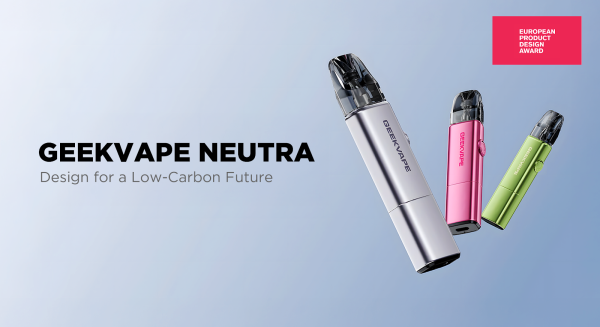
Guided by sustainability at its core, Geekvape Neutra marks a significant step in low-carbon design, reflecting Geekvape’s ongoing commitment to sustainability-driven innovation.
First ISO 14068-1: 2023 Certified Product in the Vaping Industry
Geekvape Neutra is the first vape product in the industry to be certified under the ISO 14068-1: 2023 Carbon Neutrality Standard. Its “cradle-to-gate” carbon footprint is reduced by 58.3% compared with conventional products, marking a new milestone in low-carbon and circular innovation within the vaping industry.
Minimalist by Design
Rooted in the ‘Less is More’ philosophy, Geekvape Neutra seamlessly integrates functionality with environmental responsibility. Designed with a replaceable pod, refillable system, and replaceable battery to extend product lifespan, the device removes the screen, charging cable, and printed manual—proving that minimalist design can enhance both user experience and sustainability.
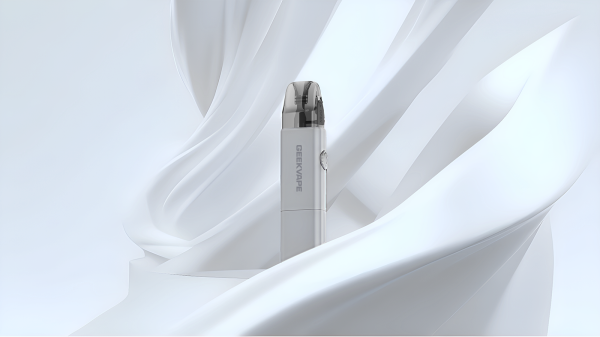
Recycled and Simplified Materials
The metal components are manufactured using 75% recycled aluminum, certified by UL Solutions (certificate ID: 314273-4210). The plastic components are made from a single polymer type (PCTG) and sourced under the International Sustainability and Carbon Certification (ISCC) PLUS chain-of-custody (certificate ID: ISCC-PLUS-Cert-CN212-20240080). This streamlined material strategy supports both recyclability and reusability.
Detachable Components
Geekvape Neutra is designed to facilitate disassembly, featuring a detachable battery and device body. Metal parts, battery, and internal modules are structured for efficient end-of-life recycling.
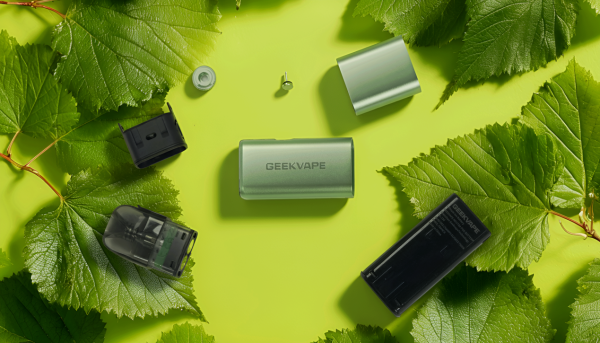
Platform-Based Modular Design
Built on the Q Pod platform, Geekvape Neutra is universally compatible with all Q pods and supports modular expansion, reducing redundant development.
Sustainable Packaging
The packaging is made of 100% FSC-certified recyclable paper and adopts a glue-free and ink-free structural design. This approach reduces material and chemical usage while maintaining durability and protective performance.
Geekvape Neutra integrates low-carbon principles into its design, materials, and lifecycle to help shape a greener future for the vaping industry.
IMPORTANT NOTICE: This content is intended for adult smokers and vapers only. You must be of legal smoking age in your jurisdiction to read this article or purchase products.
For more details, please visit: https://geekvape.com/uncategorized/geekvape-neutra-design-for-a-low-carbon-future
WARNING: This product contains nicotine. Nicotine is an addictive chemical.
Media Contact
Organization: Geekvape
Contact Person: Hillary Jiang
Website: http://www.geekvape.com/
Email: Send Email
Country:China
Release id:41350
The post Geekvape Neutra Wins European Product Design Award 2025 appeared first on King Newswire. This content is provided by a third-party source.. King Newswire makes no warranties or representations in connection with it. King Newswire is a press release distribution agency and does not endorse or verify the claims made in this release. If you have any complaints or copyright concerns related to this article, please contact the company listed in the ‘Media Contact’ section
About Author
Disclaimer: The views, suggestions, and opinions expressed here are the sole responsibility of the experts. No Digi Observer journalist was involved in the writing and production of this article.
LTR Taxis Redefines Reliable Private Travel Across the UK with Customer-First Airport & Long-Distance Taxi Services
Beyond Exposure: How a Blind-Box Toy Seller Built Ownership, Community, and New Sellers on Fambase
Geekvape Neutra Wins European Product Design Award 2025
Benzinga Money Article Discusses How to Become Part of the 12% of Retirees Who Have Achieved the Recommended $550,000 Minimum Retirement Savings Threshold
Apu Apustaja Conquers New York with Lively Street Ads, Including Times Square Billboard
Bay Smokes Maintains Quality Amid Legislative Changes in the Hemp Industry


-
Press Release2 days ago
SPL VPN Leverages AI to Eliminate Manual Server Selection; Surpasses 2 Million Downloads in Connectivity Pivot
-
Press Release6 days ago
UAE Institutional Leaders Convene in Abu Dhabi as Digital Asset Strategy Accelerates Across Global Finance
-
Press Release5 days ago
Erb Hub Showcases New Jersey’s Evolving Cannabis Culture Through Innovative Digital Art
-
Press Release6 days ago
Ernie’s Wagon Junk Removal Expands Operations Across Greater Hillsboro to Meet Surging Demand
-
Press Release4 days ago
Cabinet Paint Color Trends Shape Tampa Bay Kitchens in 2026
-
Press Release4 days ago
Lake Worth Beach Bail Bonds Services Expanded with County-Focused Release Strategy
-
Press Release2 days ago
ZentoraReach Leads Client Acquisition & Revenue Growth for Contractors
-
Press Release1 week ago
Nermine Al Hossary: Bold Dreamer Inspiring Lives Through Influence and Authenticity